Lorenzo State Historic Site in Cazenovia tells Onondaga County's layered history
Lorenzo State Historic Site puts Cazenovia’s founding, Federal-style architecture, and estate labor history in one stop.
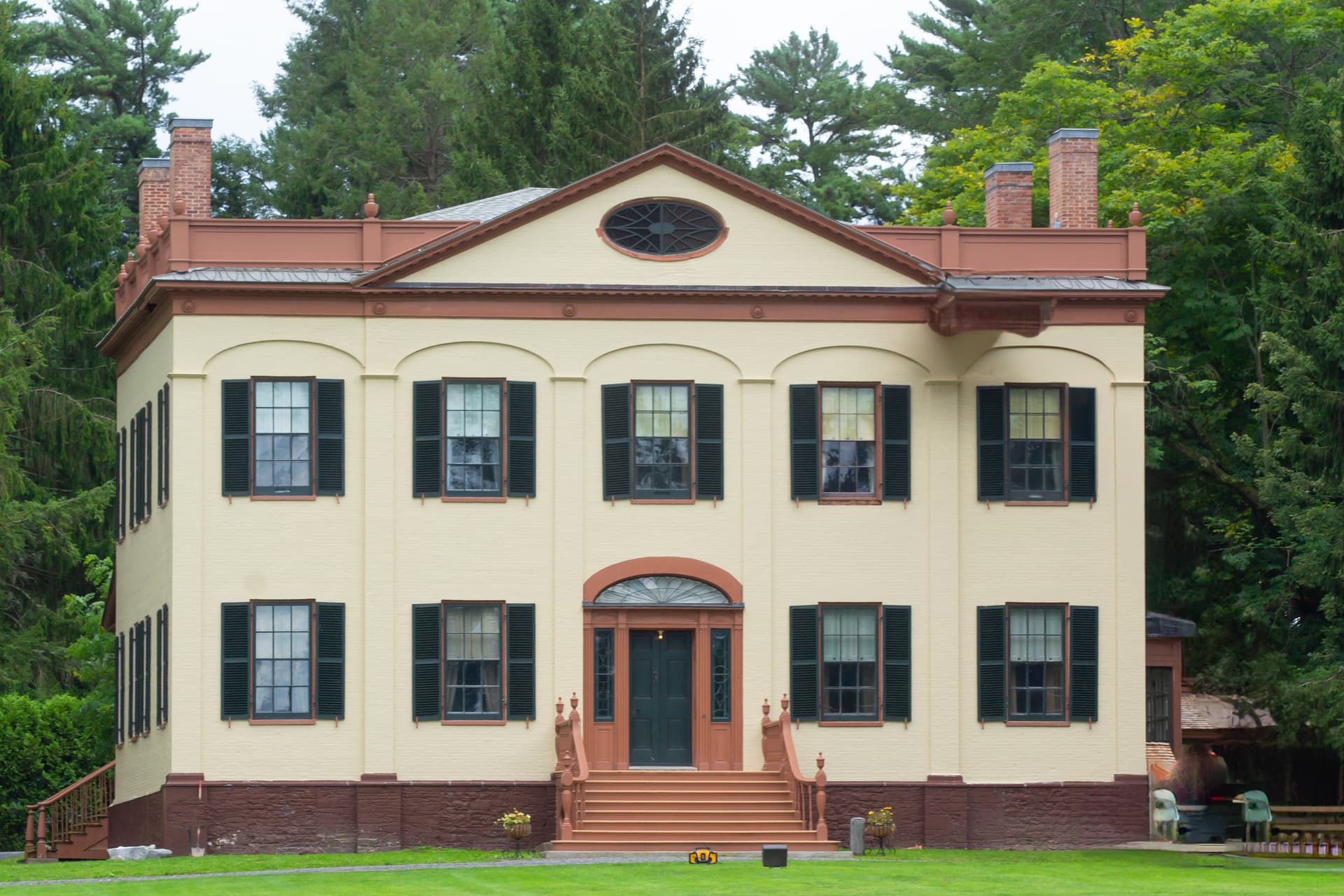
At Lorenzo State Historic Site, the clearest surviving clue to early Cazenovia is still standing: a Federal-style mansion begun in 1807 and completed in 1809, with Cazenovia Lake in view. Built for John Lincklaen, the Holland Land Company agent who founded Cazenovia, the house turns one estate into a readable map of settlement, status, and daily life. For Onondaga County readers looking for a local-history outing with real substance, Lorenzo is one of the best place-based shortcuts to the region’s early years.
What stands on the hill
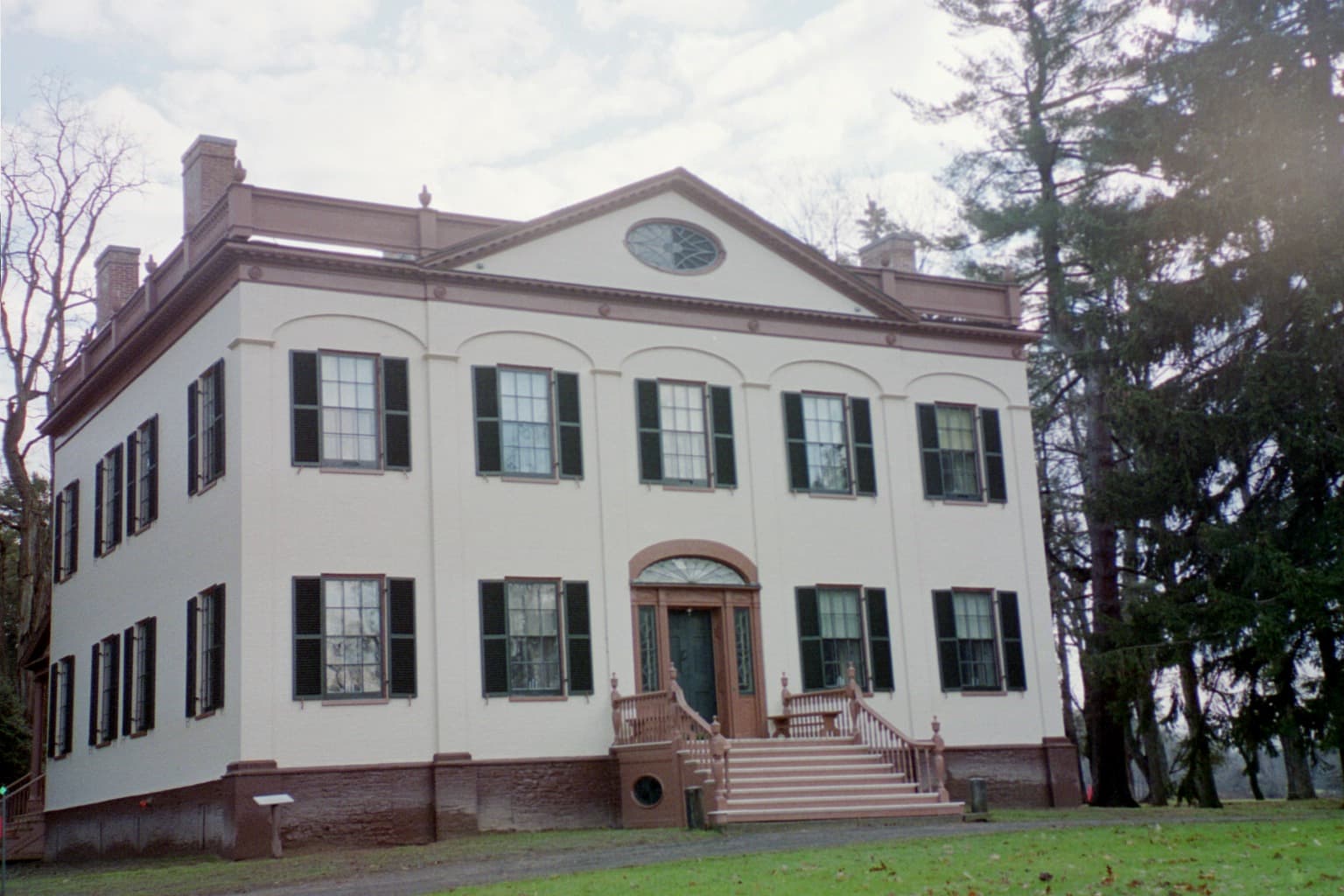
The mansion’s Federal style matters because it places Lorenzo squarely in the early republic, when symmetry, restraint, and formal domestic architecture signaled power as much as taste. The house is listed on the National Register of Historic Places, and New York State Parks includes it in its historic-sites system, which makes it part of a public network of preserved places rather than a private relic. One online description identifies it as the painted brick mansion overlooking Cazenovia Lake, a setting that still gives the site a strong visual connection to the village below.
Lorenzo is also valuable because the property and its contents were conveyed to New York State together in 1968. That detail matters to visitors because it means the site preserves more than walls and rooflines: it carries the material frame of a household, along with the ground it occupied and the story attached to it. The result is a site where architecture, setting, and the traces of domestic life reinforce one another.
Why the family story matters
The Lincklaen/Ledyard family occupied Lorenzo continuously until the transfer to the state, leaving more than 150 years of layered family, household, and estate history behind. That long continuity gives the site a depth that many historic houses lack, because the story is not frozen at one date or one owner. Instead, Lorenzo shows how a founder’s estate could remain central to a village’s identity across generations.
John Lincklaen’s role gives the house its larger regional importance. As the Holland Land Company agent and founder of Cazenovia, he represents the link between land development and community building that shaped much of central New York. Standing at Lorenzo makes those connections visible in a way that a plaque or timeline cannot, because the house itself is the surviving witness to the choices that shaped the village.
The full labor history of the estate
Lorenzo’s interpretation does not stop with the prominent family name on the door. The site’s story also includes enslaved people, servants, and employees who were required to run the estate, bringing labor and race into the same frame as wealth and ownership. That broader interpretation makes the site more honest and more useful, because it shows how an elite household depended on work that often went unrecorded in family narratives.
New York State Parks has used Lorenzo as part of its Black history interpretation work, and the agency has described research into New York’s Black history as continuous. That approach fits Lorenzo especially well, since the mansion is not only about one founder but about the larger social system that made the estate function. The site helps tell New York’s "whole story" by putting the labor behind the house alongside the family that lived in it.
How to use a visit
Lorenzo fits naturally into a Cazenovia day trip because the setting does a lot of work for the story. The historic village, walkable downtown, lakefront views, and other heritage attractions make it easy to put the mansion into a broader local itinerary rather than treating it as a single stop. That context is useful for residents and newcomers alike, because it shows how the village’s present-day character grew out of an early estate landscape.
Friends of Lorenzo, the volunteer preservation group that supports the site, adds another layer of value. Its presence shows that Lorenzo is actively cared for, not simply maintained on paper, and that preservation here is a community effort as well as a state responsibility. For visitors, that means the site continues to have life as a public asset, with its grounds and architecture still anchored to an unfolding local story.
What Lorenzo offers, in the end, is a compact but layered view of early central New York: a founder’s home, a preserved estate, a record of family continuity, and a more complete account of the people who lived and labored there. In one stop, it shows how Cazenovia was built, who benefited, and who kept the place running.
This article was produced by Prism’s automated news system from verified source data, official records, and press releases, then run through automated quality and moderation checks before publishing. The system is built and supervised by the people who set the standards it runs under. Read our full AI policy.
Did this article answer your question?