Mercury remains elevated in Onondaga Lake fish despite cleanup efforts
Walleye and big bass are still off the table in Onondaga Lake, where new sediment samples found mercury above the cleanup target in half the tests.
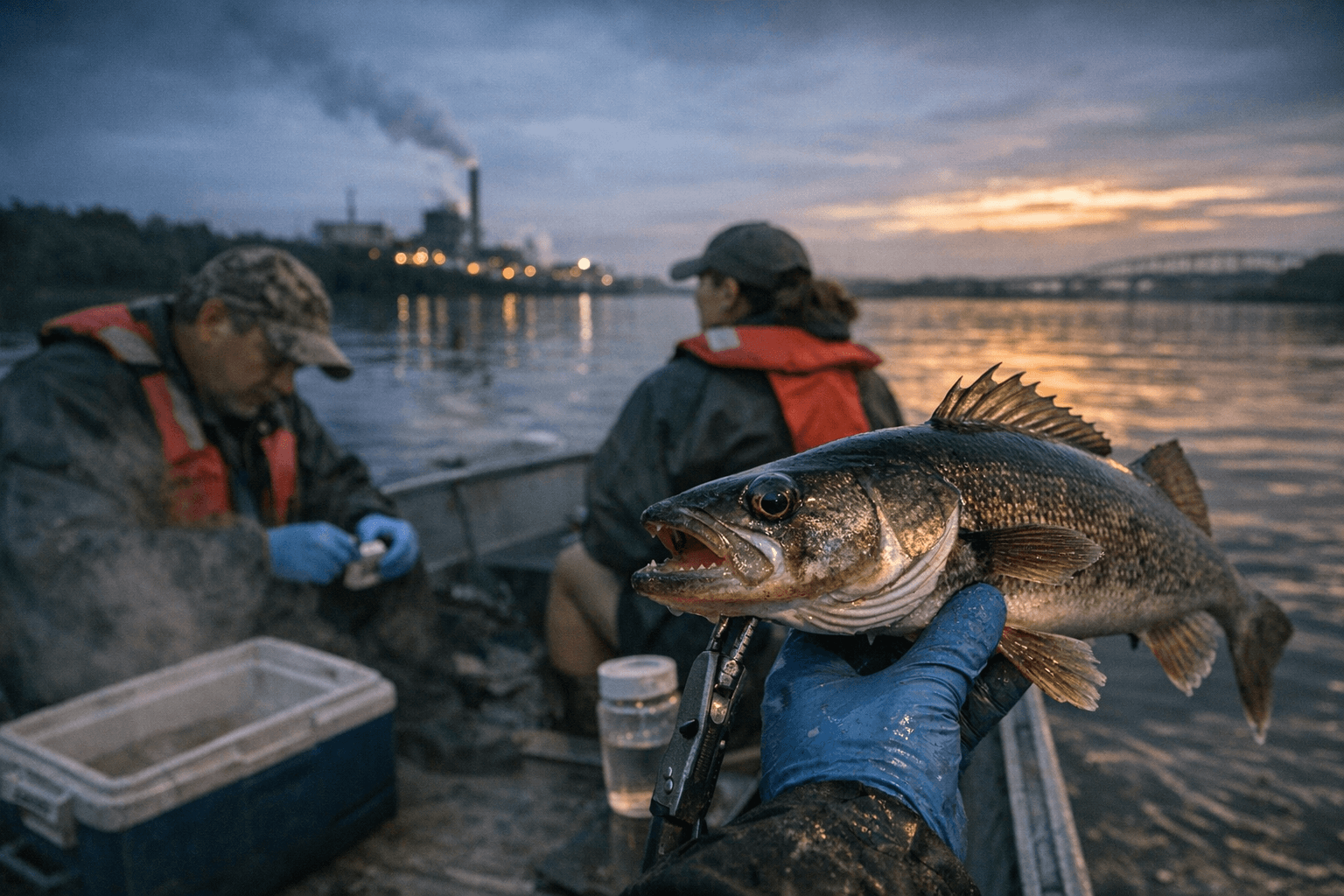
Anglers on Onondaga Lake still face a hard limit: no walleye, and no largemouth or smallmouth bass over 15 inches. Smaller fish remain under a one-meal-a-month warning for some species, a reminder that mercury is still working its way through a lake where contamination has outlasted decades of cleanup spending.
That warning matters because the lake’s fish are still carrying the legacy of more than a century of industrial discharge. The New York State Department of Environmental Conservation says Onondaga Lake, which covers about 4.6 square miles in Syracuse and reaches 63 feet at its deepest point, reopened to fishing in 1986 with consumption advisories already in place. Fishing had been banned in 1970, and swimming had been banned by 1940 because of pollution. The U.S. Geological Survey says hazardous wastes from Honeywell and predecessor companies were discharged to the lake and its tributaries from about 1881 to 1986, including large quantities of mercury.
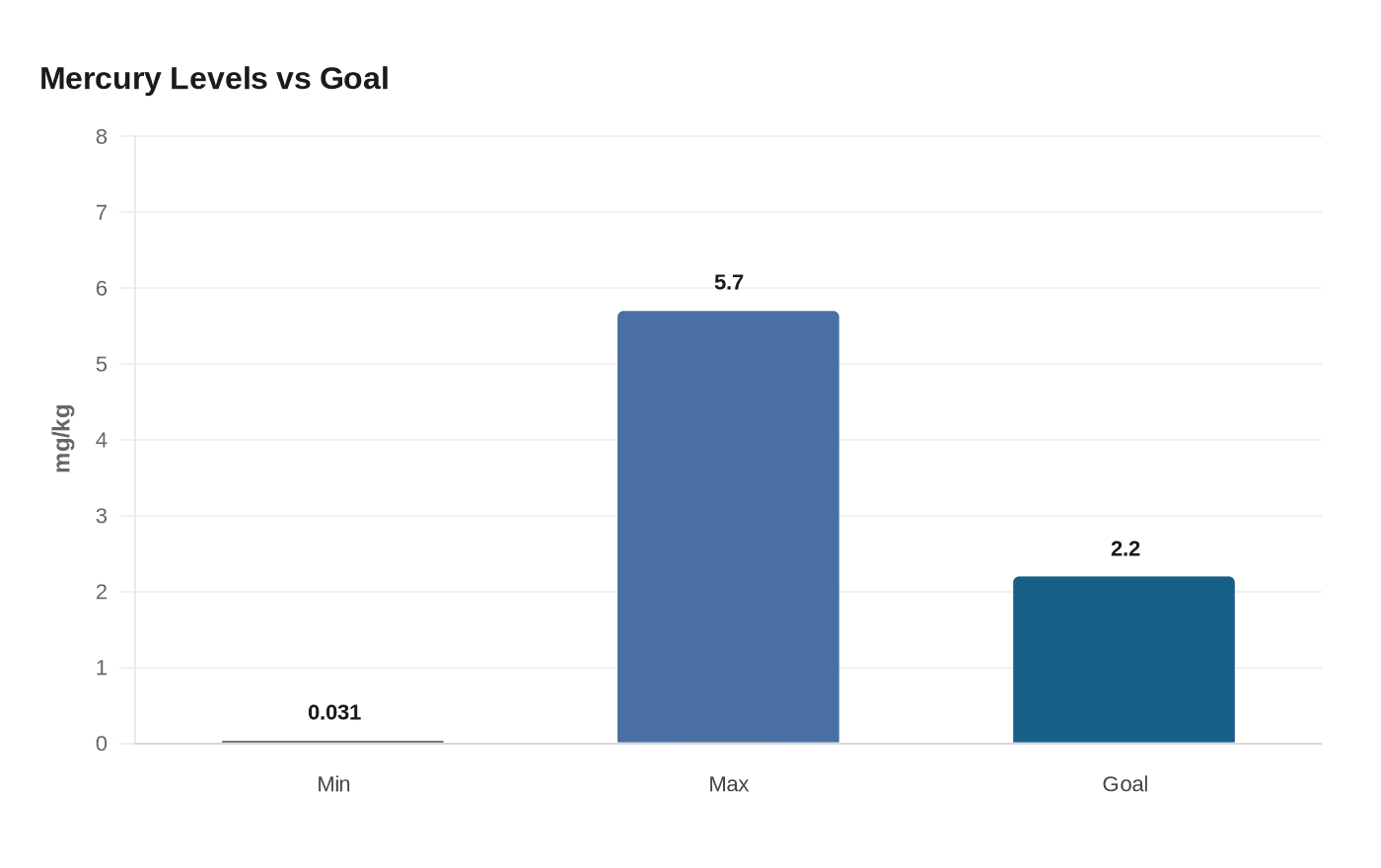
The latest sediment data show the problem is not gone. A March 2026 DEC community update said sampling in the Onondaga Lake Park Marina basin found mercury levels ranging from 0.031 milligrams per kilogram to 5.7 milligrams per kilogram. Eight of 17 samples exceeded the 2.2 milligrams per kilogram mercury cleanup goal set in the July 2005 Record of Decision. DEC says Onondaga County must address the contaminated sediment, including excavating about 2,450 cubic yards from the basin perimeter and capping about a 2-acre area in the center of the basin with a 1-foot cap.
Fish monitoring has also continued to track contamination trends as the lake changes. In a January 9, 2024 technical brief, DEC said 39 largemouth bass collected in 2023 ranged from 13.5 to 19.8 inches, with an average length of 16.4 inches and ages from 6 to 11 years. Ten pumpkinseed sunfish ranged from 5.3 to 7.3 inches. The agency said the fish were frozen and delivered for analysis, but that brief did not include contaminant results. DEC’s long-term cleanup plan has also included fish tissue quality, cap effectiveness, habitat reestablishment, shoreline stabilization at Wastebeds 1-8, and the return of fish and wildlife.
State health officials say they are using tighter standards, not reporting a statewide increase in mercury. The New York State Department of Health said in 2024 that its fish advisories were updated with more protective mercury guidelines and input from more than 7,800 anglers. Even so, Onondaga Lake remains a place where more than 65 fish species have been documented, recreation is promoted, and contamination still shapes what can safely be brought home.
This article was produced by Prism’s automated news system from verified source data, official records, and press releases, then run through automated quality and moderation checks before publishing. The system is built and supervised by the people who set the standards it runs under. Read our full AI policy.
Did this article answer your question?