Onondaga County candidates debate utility costs and data centers
Utility bills and data centers dominated a county legislature forum, as voters weighed who should pay for the grid costs tied to Micron and other development.

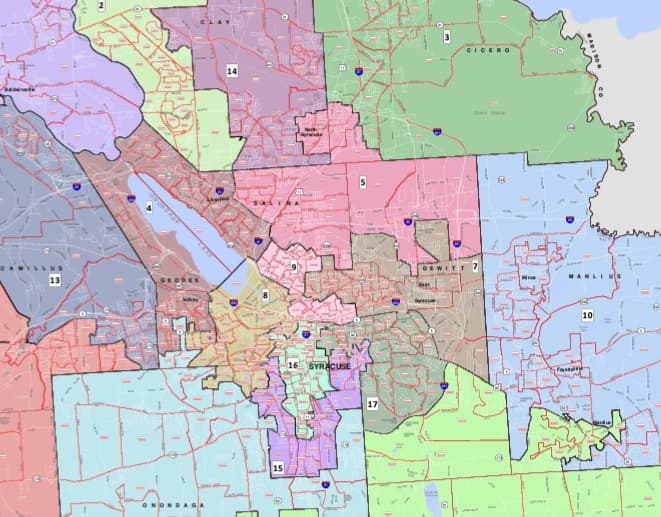
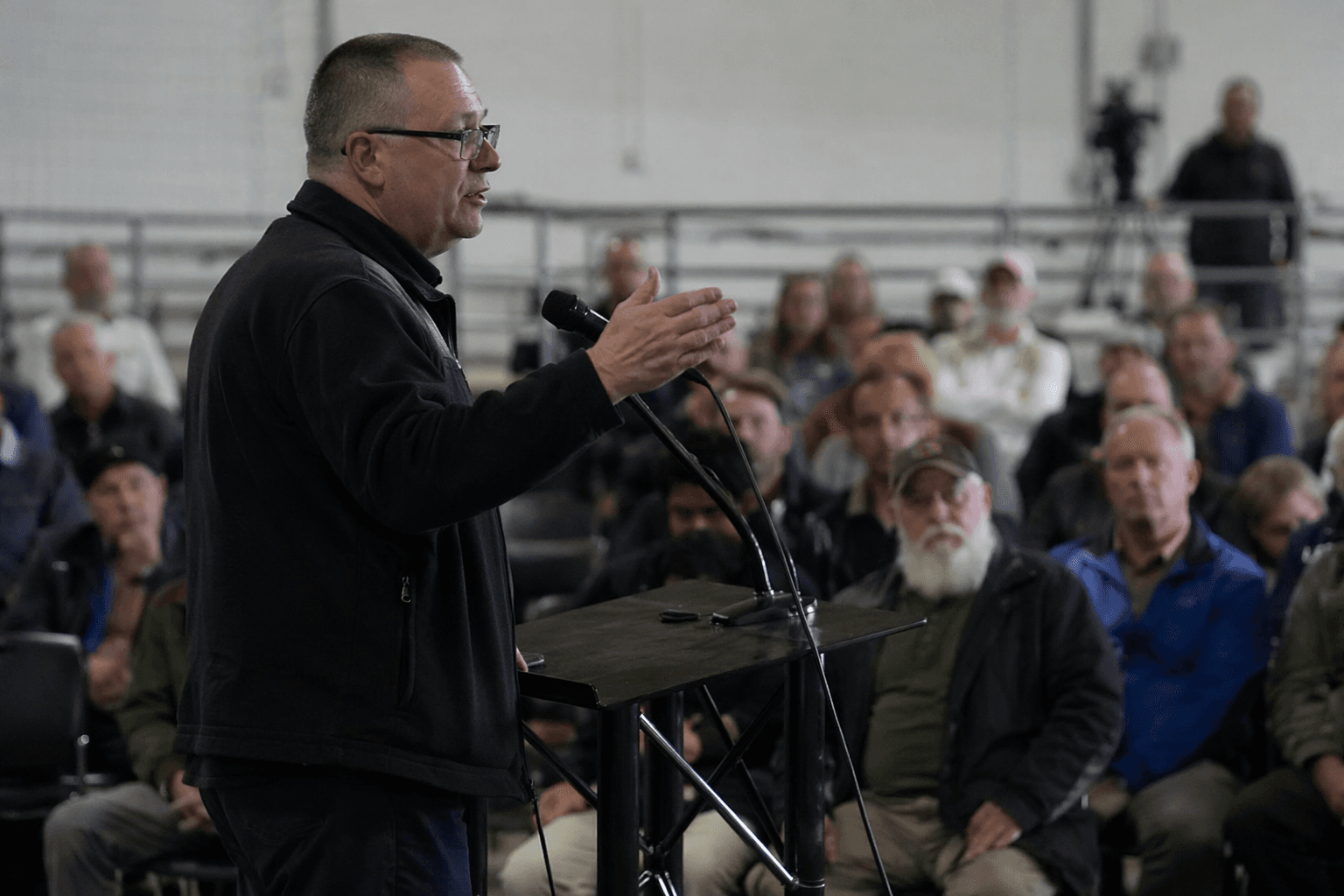
Utility bills and the rush to build data centers emerged as the sharpest kitchen-table issue at a forum for Onondaga County Legislature candidates, where residents pressed for answers on whether new growth will lower costs for households or shift more of the burden onto ratepayers. The debate cut across housing, lead, data centers and skyrocketing utility prices, tying local taxes and land use to the monthly bill in the mailbox.
Four of the six Democratic candidates running for the legislature appeared at the forum Sunday, June 8, and the conversation quickly turned to the region’s energy future. National Grid’s residential rate structure in Upstate New York includes low-cost hydropower-related benefits for some customers, but many households have still been facing higher bills and a growing dispute over who should pay for the new demand that comes with industrial expansion and data-center growth.
That question is not abstract in Clay, where Micron Technology’s planned semiconductor campus has already prompted major infrastructure planning. In October 2025, New York state regulators approved a two-mile, 345-kilovolt underground transmission line to connect National Grid’s Clay substation to the project. Empire State Development has said Micron’s plan could bring up to $100 billion in investment and more than 50,000 jobs, including about 9,000 Micron jobs, making the project one of the largest economic development bets in the state.
At the state level, Governor Kathy Hochul has tried to frame the issue as one of accountability. Her January 13, 2026 State of the State proposal called for data centers to pay their fair share, signaling that Albany is looking beyond job creation and toward the strain large facilities can place on the grid. A Syracuse.com report also said a 26-year-old New York sales-tax exemption for internet data centers could save artificial intelligence data centers millions of dollars in taxes, adding another layer to the debate over who benefits and who pays.
Local governments are moving just as quickly. In Clay, town officials set a June 2026 hearing on a proposed 12-month data-center moratorium, a sign that leaders there are weighing whether to pause growth or tighten rules before more projects move ahead. The same town has also moved closer to finalizing new zoning rules for battery energy storage systems, underscoring how energy infrastructure has become a central land-use fight in northern Onondaga County.

For county candidates, the policy test is increasingly simple: if data centers and grid upgrades help power the next phase of development, will Onondaga County residents see relief on their bills, or will they be left covering the costs?
This article was produced by Prism’s automated news system from verified source data, official records, and press releases, then run through automated quality and moderation checks before publishing. The system is built and supervised by the people who set the standards it runs under. Read our full AI policy.
Know something we missed? Have a correction or additional information?
Submit a Tip