Onondaga County transit meeting covers I-81 plan, Centro redesign
Syracuse commuters face a new street grid and a new bus map at once, with Southside, downtown and eastern-town trips likely to feel it first.
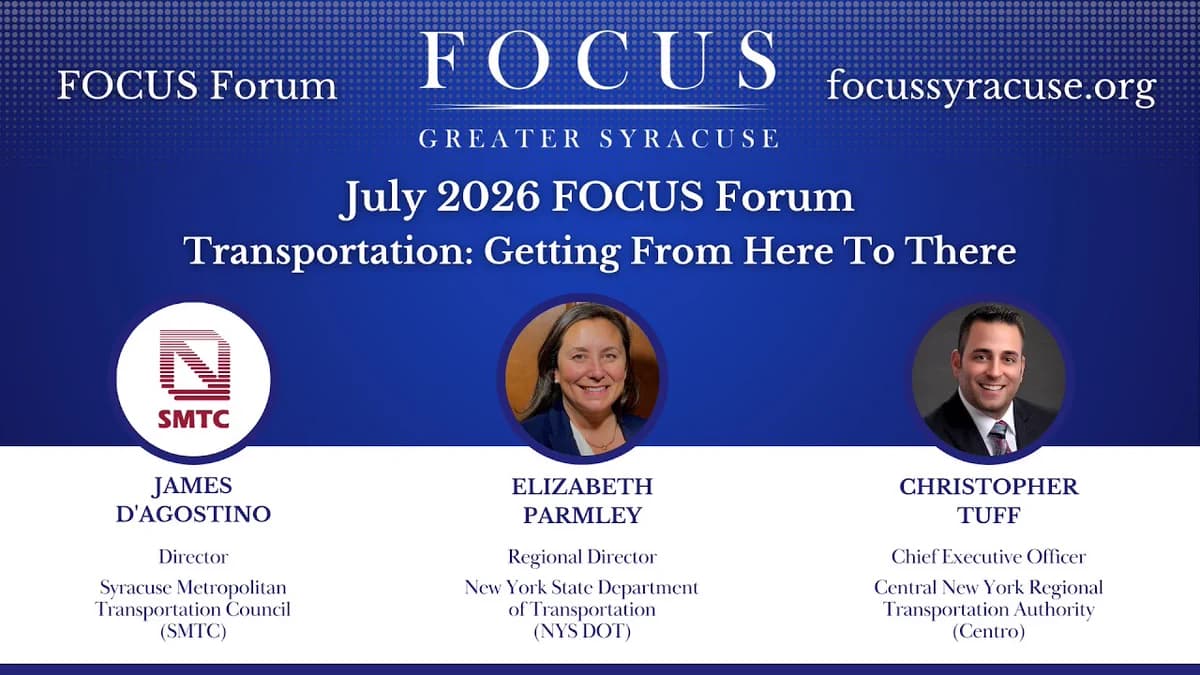
The biggest change coming to Onondaga County transit is not one project but two moving together: the I-81 rebuild is reshaping downtown roads, and Centro’s Better Bus redesign is changing how riders reach them. For daily travel, the most important questions are practical ones: which trips get faster, which corridors change first, and where riders may need to rely on on-demand service instead of the old fixed-route pattern.
I-81 is shifting the ground rules for downtown trips
New York State Department of Transportation says the I-81 Corridor Study began in 2008 as a 12-mile review of the highway’s conditions and possible future options. The major planning documents for the viaduct replacement were published in April 2022, and the Joint Record of Decision and Findings Statement followed on May 31, 2022, locking in the Community Grid direction for Syracuse.
The most relevant piece for everyday travel now is Contract 5, centered on Syracuse’s Southside. That work will reconstruct and convert existing Interstate 81 to future Business Loop 81 from just north of Colvin Street to Burt Street, where the highway will gradually come down to street grade. For drivers, that means the downtown approach will keep changing in phases; for bus riders, it means access points, turns and transfer patterns around the Southside and the city center are likely to shift as the corridor is rebuilt.
The state has also pushed the project beyond pavement and lanes into the public realm. Commissioner Marie Therese Dominguez unveiled draft design concepts for decorative murals along Business Loop 81 and surrounding city streets, a sign that the rebuilt corridor is meant to look and function differently from the old elevated viaduct. That matters because the rebuilt route is not just a traffic project. It is becoming part of the neighborhood landscape that people use to reach jobs, schools, medical appointments and downtown destinations.
Centro’s Better Bus plan is built around a new kind of network
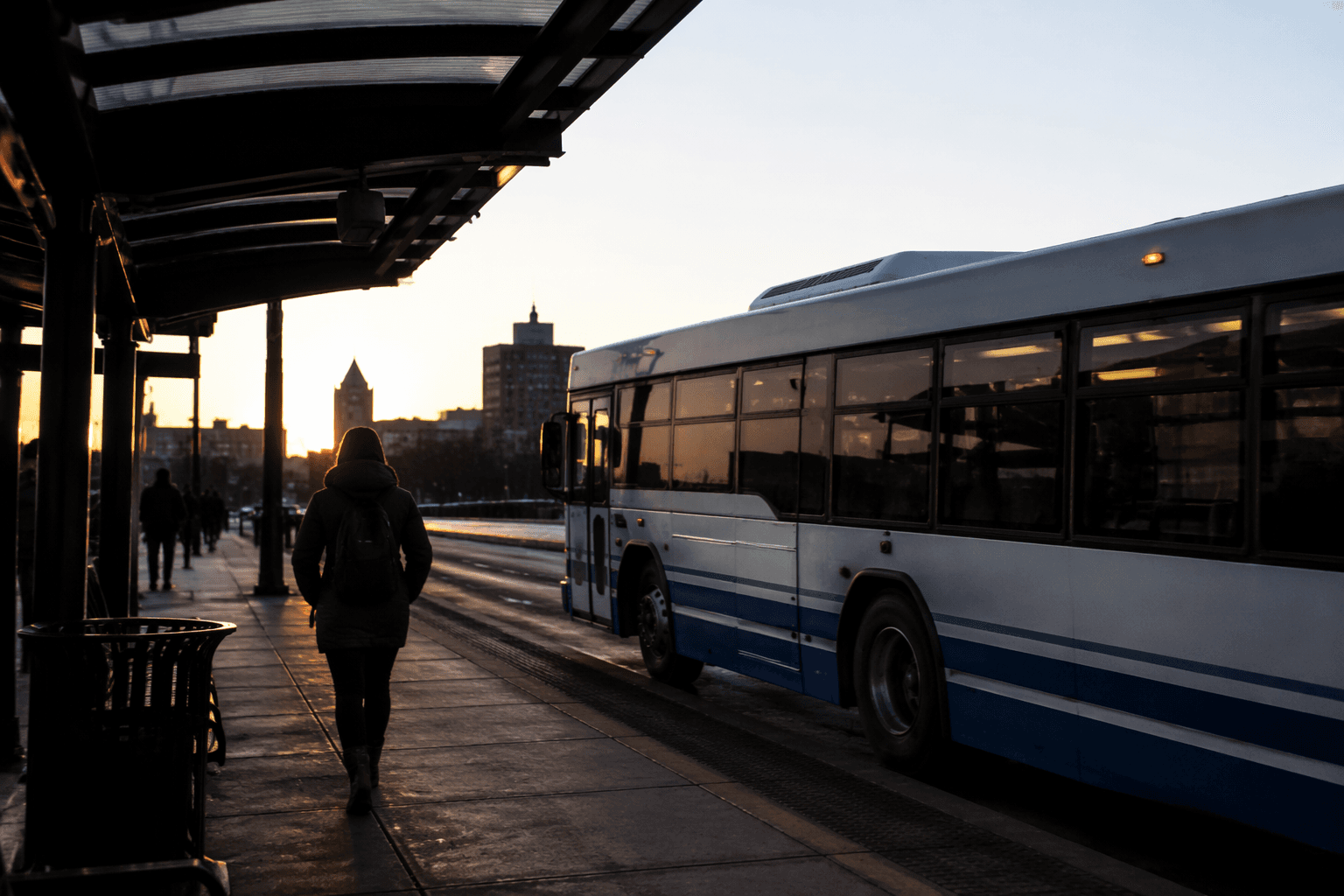
Centro says its Better Bus project is its first full network redesign in decades, and Bus Rapid Transit will be the foundation of the new system. The agency says the BRT buses will look different, run more frequently and provide more direct service, which is the clearest signal that the bus map people know today will not survive intact.
A regional transit study called Exploring Tomorrow’s Transit was completed in February 2024 and helped shape that redesign. By spring 2026, Centro was already proposing a major overhaul of Onondaga County’s bus system, and riders at a public meeting at the INSPYRE Innovation Hub raised safety concerns along with other comments. By July 2026, the agency had delayed major route overhauls to address those concerns, a move that shows the redesign is still being adjusted before it becomes the new normal.
The changes are not cosmetic. Syracuse.com has described the overhaul as the system’s first in more than two decades, and that scale explains why the details matter to riders who depend on one bus to get to work, another to school and a third to a medical appointment. The goal is to shorten waits in Syracuse while consolidating or eliminating some trips in eastern towns and adding new on-demand service in some areas. That is the tradeoff riders are being asked to absorb: more direct service where demand is strongest, and more flexible service where fixed routes no longer fit the travel pattern.
Where the first impacts are likely to show up
The earliest changes will be felt where the two projects overlap most clearly: downtown Syracuse, the Southside and the main travel paths that connect them. SMTC says Centro provides public transit across the Syracuse urbanized area and in Onondaga, Oswego, Cayuga, Cortland and Oneida counties, so changes in Syracuse can ripple well beyond the city line. If a downtown commute changes timing or a transfer point moves, that can affect riders from all five counties who rely on the system to reach the city center.
- Downtown Syracuse riders should watch for route and access changes tied to the I-81 corridor rebuild and the move toward Business Loop 81.
- Southside neighborhoods near Colvin Street and Burt Street are tied directly to Contract 5, where the highway will transition toward street grade.
- Riders in eastern towns should expect the clearest service consolidation, with some trips reduced or replaced by on-demand options.
- Cross-county riders who use Centro to reach Syracuse for work, school or appointments will be most affected by changes in frequency and transfer timing.
The common thread is that Centro’s redesign and the I-81 rebuild are being planned together, not separately. As downtown traffic patterns change with the viaduct coming down and Business Loop 81 taking shape, transit planners are trying to match buses to the new travel map, the staffing realities of the system and the demand for shorter, more direct trips.
What matters most for riders now
For Onondaga County residents, the key is that the next phase of travel will not look like a simple repair of the old system. It will be a reordering of how people move through Syracuse, especially between the Southside, downtown and the regional bus network that reaches beyond the county. The first visible benefits should come where buses can run more directly and more often, while the first disruptions are likely to hit the places where old routes are trimmed or replaced.
This article was produced by Prism’s automated news system from verified source data, official records, and press releases, then run through automated quality and moderation checks before publishing. The system is built and supervised by the people who set the standards it runs under. Read our full AI policy.
Did this article answer your question?