Onondaga County warns of fatal fire trends, urges working smoke alarms
More than a quarter of fatal fires lacked working smoke alarms, and seven deadly incidents involved multiple victims, most at night. Onondaga County is urging residents to check alarms and ask local fire departments for help.
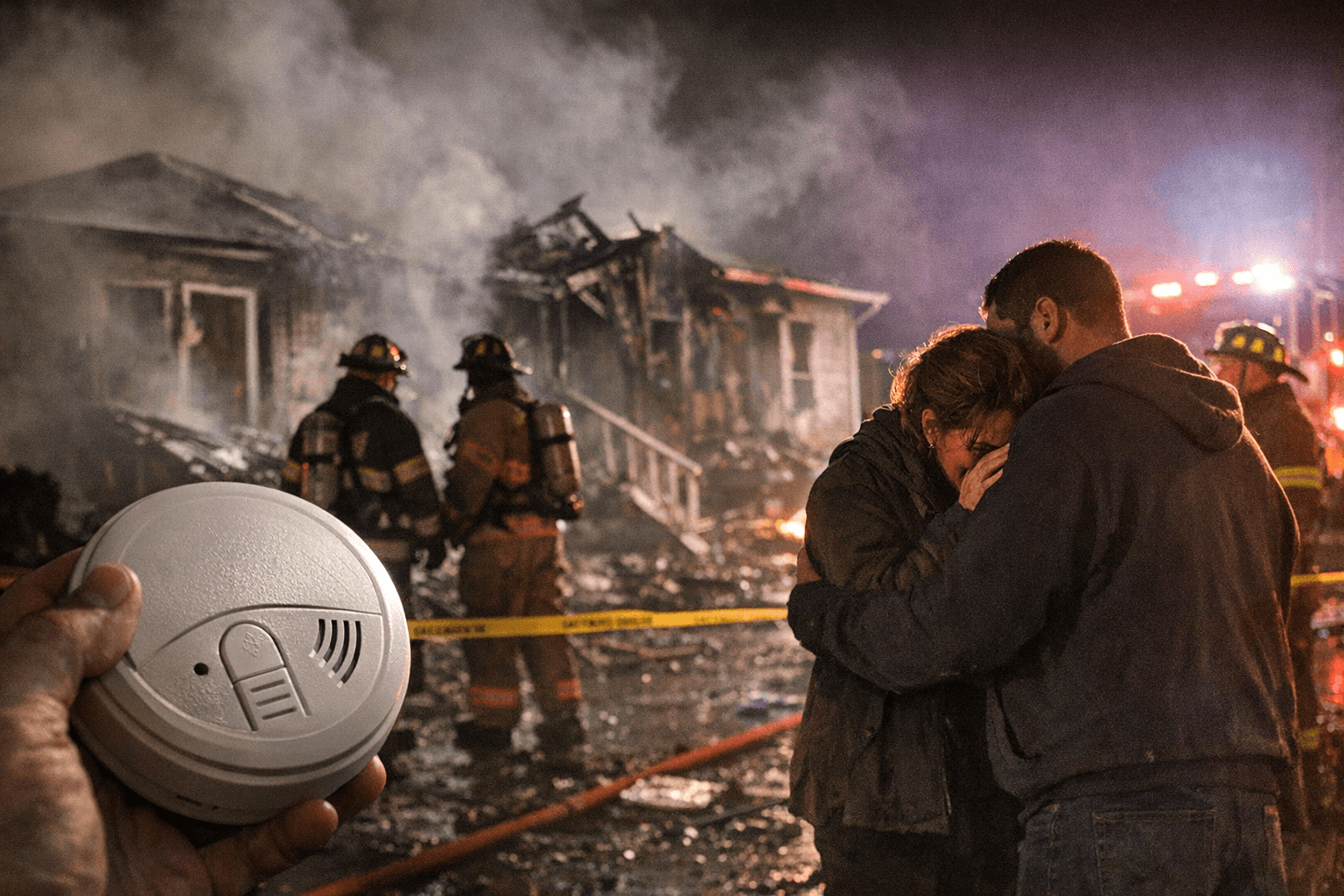
More than a quarter of fatal fires involved homes without working smoke alarms, and seven deadly incidents each killed multiple people, most of them at night. Onondaga County Emergency Management highlighted those statewide trends as a warning that many fire deaths remain preventable.
The danger is greatest while people are asleep. New York State fire safety guidance says the majority of home fires occur when residents are sleeping, which is why working smoke alarms and a practiced escape plan remain the core of the state’s prevention message. State fire-safety materials also cite National Fire Protection Association research showing that the risk of dying in a fire is about twice as high in homes without a working smoke alarm as in homes with one.
County officials are urging residents to contact local fire departments for education, inspections and help with alarm installation, especially in homes with seniors or low-income households that may face the biggest barriers to getting and maintaining protection. A smoke alarm only helps if it is installed correctly, kept in working order and tested regularly.
The warning sits inside a broader state effort to cut fire deaths. The New York State Office of Fire Prevention and Control launched a large-scale Community Risk Reduction program in January 2021, and fire protection specialists have worked with local officials after fatal fires to gather information and shape fire safety campaigns. The state says that approach is meant to turn hard lessons from tragedy into specific prevention steps for communities across New York.
The state is also changing how fire data is reported. NERIS is replacing NFIRS, the system used for more than 40 years to collect fire and emergency incident data, and New York is among the first states to begin using it. That shift is meant to improve the information that guides prevention efforts, but the immediate message for Onondaga County households is simpler: test the alarms, replace dead batteries, plan two ways out and call local fire departments now if help is needed.
This article was produced by Prism’s automated news system from verified source data, official records, and press releases, then run through automated quality and moderation checks before publishing. The system is built and supervised by the people who set the standards it runs under. Read our full AI policy.
Did this article answer your question?