Onondaga Nation leader laments cultural cost of mudboils after 35 years
After 35 years of research with no fix, the Onondaga Nation says mudboils still mark a cultural loss in the Tully Valley.
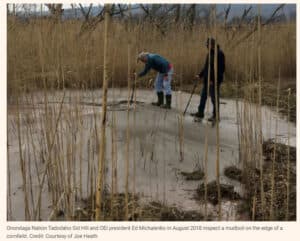
The Onondaga Nation has kept mudboils at the center of its land-rights work, with dedicated pages for the Tully Mud Boils and the Onondaga Creek Mudboil Study, as a leader laments the cultural cost of 35 years of research without a solution. The Nation frames the problem as more than a geological feature in the Tully Valley: it ties the mudboils to watershed stewardship, trust in the land, and the damage caused when an ancestral place remains unsettled for generation after generation.
That framing fits a broader record of land return and restoration. On June 29, 2022, 1,000 acres of ancestral homeland in the Tully Valley were returned to the Onondaga Nation, which described the transfer as one of the largest to a Native American nation in New York State history. On Oct. 3, 2024, the Nation said it reclaimed 1,023 acres in a landmark agreement, also in the Tully Valley area. Those returns sit inside a larger effort the Nation says has long included cooperation with neighbors to protect the environment, clean up pollution and promote economic development in the Syracuse and Onondaga region.
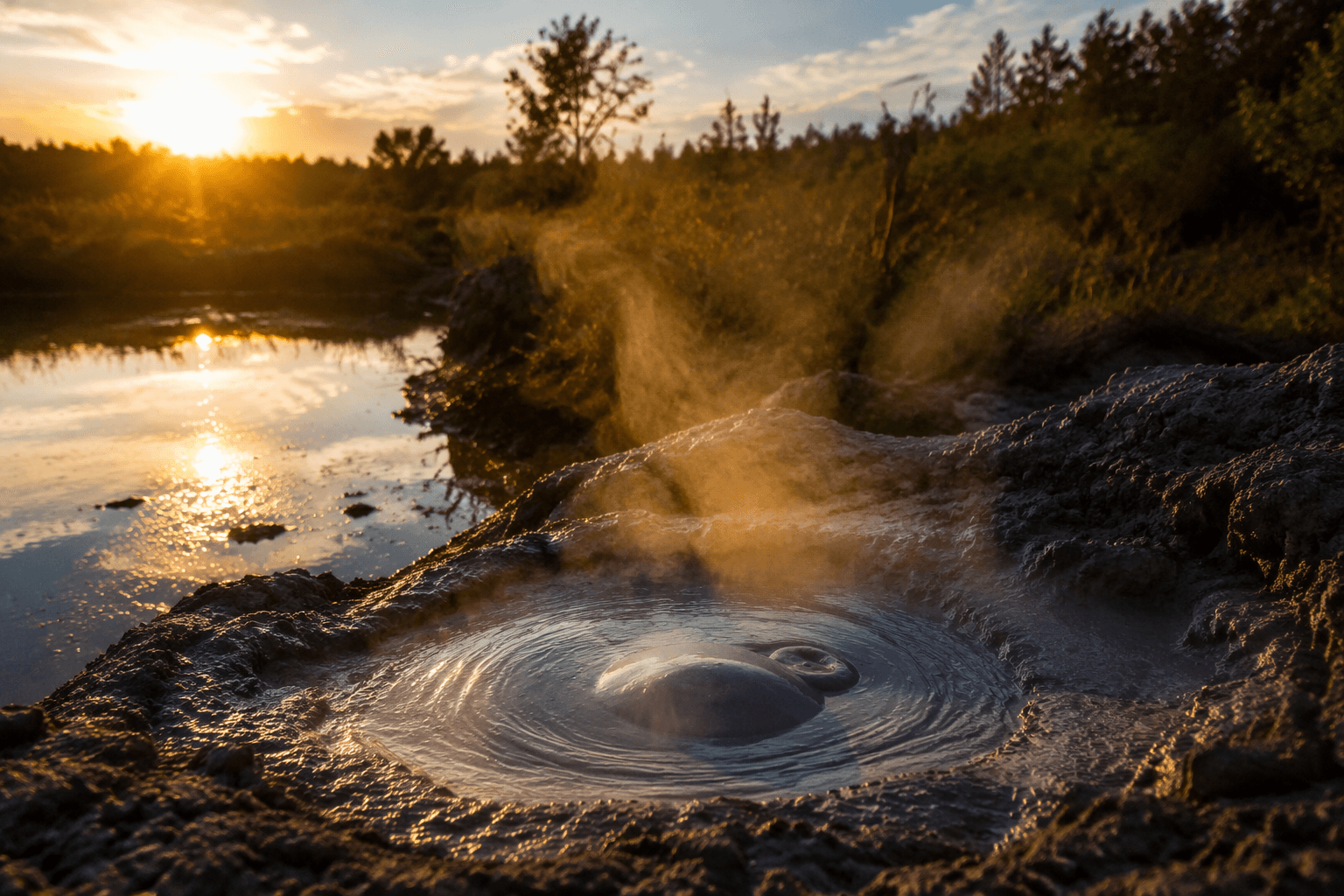
The Nation says restoring the health of the Onondaga Creek watershed is inseparable from its land-rights goals, making the mudboils part of a much larger environmental justice fight. In December 2024, the Nation said Onondaga Creek had been muddied by more than 100 years of pollution, a reminder that the damage tied to the watershed did not begin with the latest round of study and has not ended with it.
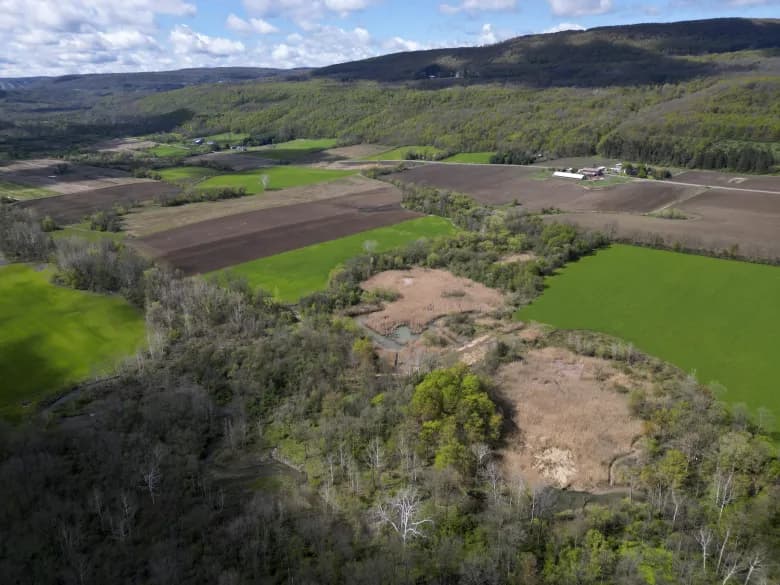
For Onondaga County, the issue reaches beyond the Tully Valley. The Nation’s own presentation of the mudboils connects the problem to identity, stewardship and the long burden of waiting for a remedy that has not come after 35 years of research. The unresolved condition leaves the site as both a scientific problem and a measure of how long cultural and ecological repair can be deferred on Onondaga land.
This article was produced by Prism’s automated news system from verified source data, official records, and press releases, then run through automated quality and moderation checks before publishing. The system is built and supervised by the people who set the standards it runs under. Read our full AI policy.
Did this article answer your question?