Opinion urges New York to ban toxic herbicide paraquat
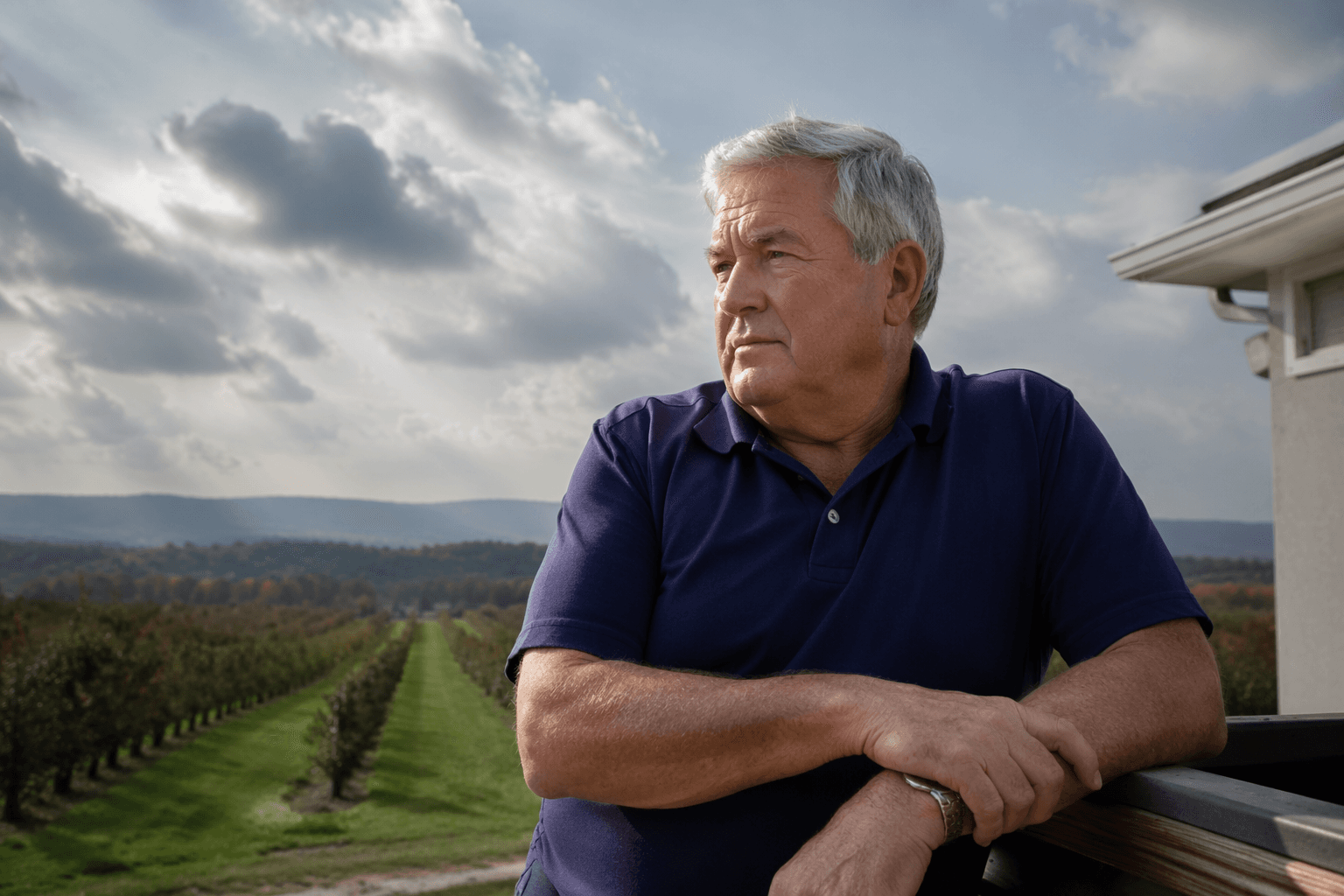
Mike Mooney’s Parkinson’s diagnosis has put a local face on a pesticide fight that could change what farmworkers and neighbors encounter across Central New York.

Mike Mooney’s diagnosis has turned paraquat from a policy debate into a personal warning for Central New York. The herbicide is already tightly restricted by federal regulators, yet New York lawmakers are pressing to ban it outright because of its links to Parkinson’s disease and its use in fields that can sit near homes, schools and roads.
The U.S. Environmental Protection Agency says paraquat dichloride is one of the most widely used herbicides in the country and is highly toxic. The agency says swallowing it can be fatal, and skin or eye exposure can cause serious lasting effects. All paraquat products registered in the United States are restricted-use pesticides, which means only trained, certified applicators may use them. The EPA also finished an interim registration review in July 2021 and required additional mitigation steps to reduce health and environmental risks.
In Albany, that federal backdrop has fueled active legislation. Senate bill S9094A, sponsored by Sen. Pete Harckham, and Assembly bill A10074A, sponsored by Assemblymember Linda Rosenthal, would prohibit paraquat in New York. The Senate bill says paraquat has been used in 28 counties across the state, that 24 pesticide products containing paraquat are currently registered in the United States, and that the chemical was first registered in 1964 before being classified as restricted use in 1978 because of its acute toxicity. The bill also notes that more than 70 countries have banned it, including China, Brazil, the European Union, the United Kingdom, Turkey, Thailand and South Korea.
For Onondaga County and the rest of Central New York, the issue is less about backyard use than about exposure near agricultural and commercial applications. The EPA says there are no homeowner or residential uses, so any local contact would come through trained applicators working on farms or other nonresidential sites. A ban would not change that there is no legal home use now, but it would remove paraquat from the commercial toolbox entirely, eliminating one more route of exposure for workers and nearby communities.
Supporters have already begun pushing the measure publicly. The Environmental Working Group announced a May 13 rally at the New York Capitol in Albany featuring Mooney, Rebecca Gilbert, Wes Gillingham, Sarah Teale, Jud Eson and Nancy Eson. The Assembly version had already been reported to the floor calendar on May 5 and advanced to third reading on May 7.
For residents living near treated fields, the question is no longer whether paraquat is dangerous. It is whether New York will keep allowing a pesticide federal regulators already treat as unusually hazardous, or close the door on it before another generation of workers and neighbors is exposed.
This article was produced by Prism’s automated news system from verified source data, official records, and press releases, then run through automated quality and moderation checks before publishing. The system is built and supervised by the people who set the standards it runs under. Read our full AI policy.
Know something we missed? Have a correction or additional information?
Submit a Tip