Rosamond Gifford Zoo, where conservation, care and research come alive
Rosamond Gifford Zoo is a family outing with real STEM payoffs, from elephant cognition studies to breeding work that supports endangered species.
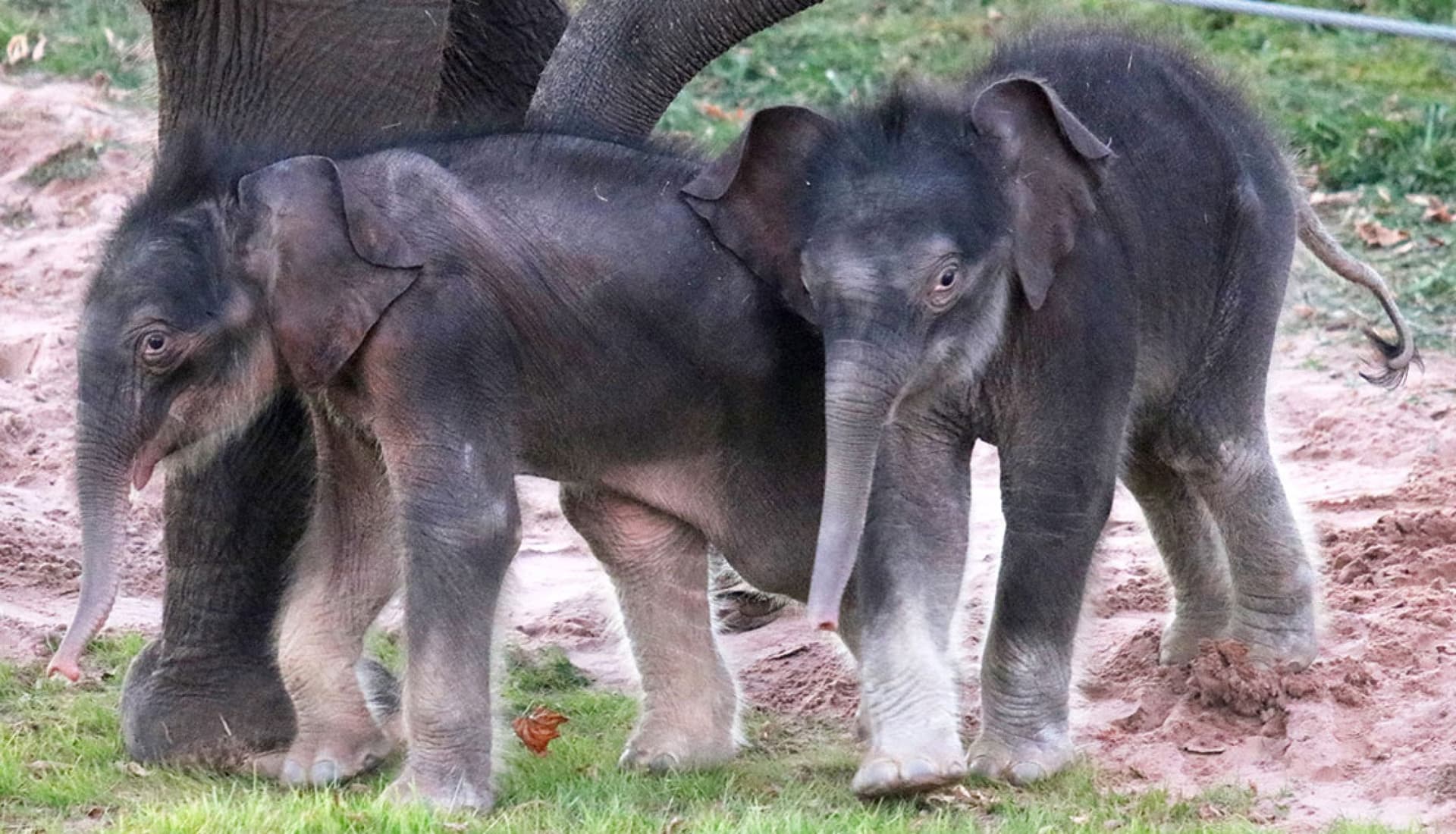
Rosamond Gifford Zoo is built as more than a place to look at animals. In Burnet Park at 1 Conservation Place in Syracuse, the zoo combines a familiar county outing with animal care, breeding work, conservation education, and research that reaches far beyond Central New York. Founded in 1914, it now houses more than 700 animals representing 216 species, a range that runs from milkweed bugs to 8,000-pound Asian elephants.
A zoo designed as a classroom, not just a display
The zoo’s mission is to connect people to the natural world through engaging guest experiences, exceptional animal care, and conservation education. That framing matters in Onondaga County, where a family day out can also become a lesson in biology, ecology, and wildlife management without feeling like a field trip. The zoo’s guest-facing promise is simple: it aims to give visitors “the best day ever,” but the structure behind that promise is serious science and care.
Its accreditation from the Association of Zoos and Aquariums places it among the top 10 percent of zoos in North America. AZA accreditation is the benchmark the zoo points to for high standards in animal welfare, wildlife conservation education, and guest experience. That gives local families a reason to see the zoo not as an amusement stop, but as one of the county’s few attractions that blends entertainment with measurable educational value.
What makes the animal collection worth seeing
The scale of the collection gives the zoo much of its appeal. More than 700 animals across 216 species means a visit can move from tiny insects to massive mammals, with each stop offering a different lesson in adaptation and habitat. The contrast between milkweed bugs and Asian elephants is not just memorable, it also shows how broad the zoo’s role is in presenting the natural world.
That breadth also helps explain why the zoo attracts repeat visits from families, school groups, and anyone trying to turn a county day trip into something more substantial. A collection this varied lets children compare size, diet, behavior, and habitat across species in a single visit, while adults can see how the same institution manages creatures with dramatically different needs.
Conservation work that reaches beyond the gates
The zoo describes itself as a breeding zoo working with other AZA institutions to help ensure the survival of threatened and endangered species. That role is central to its identity, because it means the animals on site are part of a larger conservation network, not just a local collection. The zoo also says it contributes annually to in situ conservation projects in the native countries of endangered species including Asian elephants, red pandas, Panamanian golden frogs, radiated tortoises, and many big cats and primates.
That broader work connects Syracuse to wildlife efforts in places far from Onondaga County. It also shows how a local institution can support species survival on multiple fronts: breeding, education, direct conservation funding, and collaboration with other AZA-accredited facilities. The zoo’s conservation emphasis extends beyond the headline species and into honeybees, Humboldt penguins, red pandas, and snow leopards, which makes the work feel both varied and grounded in current conservation priorities.
Elephant research turns observation into science
The most vivid example of that research culture is the Asian elephant program. The zoo says elephant Kirina has been trained to take part in a cognition study led by animal behavior researcher Matthew Rudolph. In that setup, a cart and puzzle-style tasks help gather data on how elephants perceive the world, and the herd has collectively seen the research cart roll up hundreds of times.
The details matter because they show how a zoo can be a research site as well as an exhibit space. Kirina knows she will be asked to play a cognitive game in exchange for a favorite treat, marshmallows, and that kind of training makes the work both humane and scientifically useful. The zoo says the goal is to help wild elephants, which gives local visitors a direct line from a Syracuse habitat to the survival of elephants in the wild.
The elephant work also extends to disease prevention. The zoo says its team contributes vital research toward an Elephant Endotheliotropic Herpes Virus vaccine effort with other AZA-accredited institutions, sending data and samples to the Smithsonian National Zoo and the Conservation Biology Institute EEHV Lab. It also says it contributes financially to efforts to develop a vaccine that could protect elephants from EEHV. For families watching a herd in Syracuse, that means the animals are part of a live scientific effort with implications for species survival across the country.
Local environmental work is part of the story too
The zoo’s conservation role is not limited to species care. It says it is home to five Save the Rain projects that collectively save millions of gallons of water each year by reducing overflow from local stormwater systems. That work helps prevent pollution of local waterways and Onondaga Lake, which ties the zoo directly to county environmental quality.
This is one of the most useful parts of the zoo story for Onondaga County because it links a beloved public destination to practical infrastructure. Visitors may come for giraffes, elephants, or a child’s first close look at an endangered species, but the property is also doing work that affects stormwater, runoff, and the health of local water systems. That combination of wildlife and watershed stewardship gives the zoo a civic role that reaches beyond its fences.
Why families, schools and county leaders all have a stake
The Friends of the Rosamond Gifford Zoo says it partners with Onondaga County to sustain the quality and diversity of the animal collection, and it describes the zoo as a community resource that contributes to the quality of life in Central New York. That partnership helps explain why the zoo remains such a durable county institution. It is not just a place to visit, but a place supported by a network of county stewardship, donor backing, staff expertise, and conservation partners.
The education program reinforces that broader purpose. The zoo says education is integral to its mission, and it offers free activity packets, videos, and crafts, along with youth and teen programs focused on conservation education and professional skill building. That makes the zoo especially useful for families looking for something that lasts beyond the visit itself. A day at Burnet Park can turn into a lesson on species survival, research methods, water quality, and animal behavior, which is exactly the kind of hands-on learning that turns a county outing into an investment in curiosity.
This article was produced by Prism’s automated news system from verified source data, official records, and press releases, then run through automated quality and moderation checks before publishing. The system is built and supervised by the people who set the standards it runs under. Read our full AI policy.
Did this article answer your question?