ShotSpotter alert leads Syracuse police to teen shooting, crash scene
A ShotSpotter alert brought Syracuse police to the North Side, where officers found a 15-year-old girl shot and a man hit by a fleeing car.
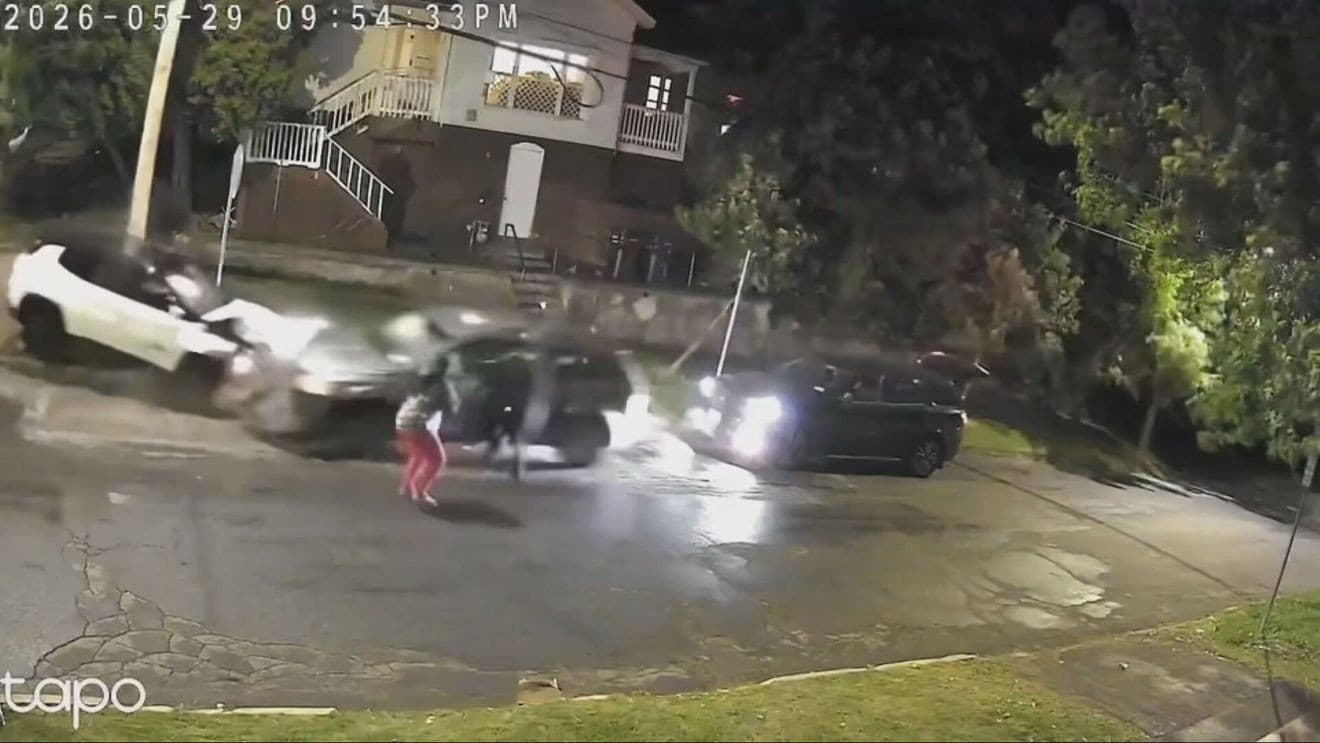
A late-Friday-night ShotSpotter alert sent Syracuse police to a North Side scene that quickly widened from a gunfire call into a crash investigation, with officers finding a 15-year-old girl shot and a man struck by a vehicle.
Syracuse.com reported that the crash happened on Syracuse’s North Side after a car fleeing the gunfire hit a man on the street who was loading a parked vehicle. Syracuse police also had a large presence after the shooting report, underscoring how fast the scene shifted from a gunfire detection to a broader public safety response.
CNY Central reported that the ShotSpotter activation came late Friday night and led officers to the crash scene, where the teenage girl had been shot. The sequence matters because it shows how quickly one burst of gunfire can spill into multiple victims and multiple hazards, including a vehicle crash that put another person in danger in the same stretch of road.
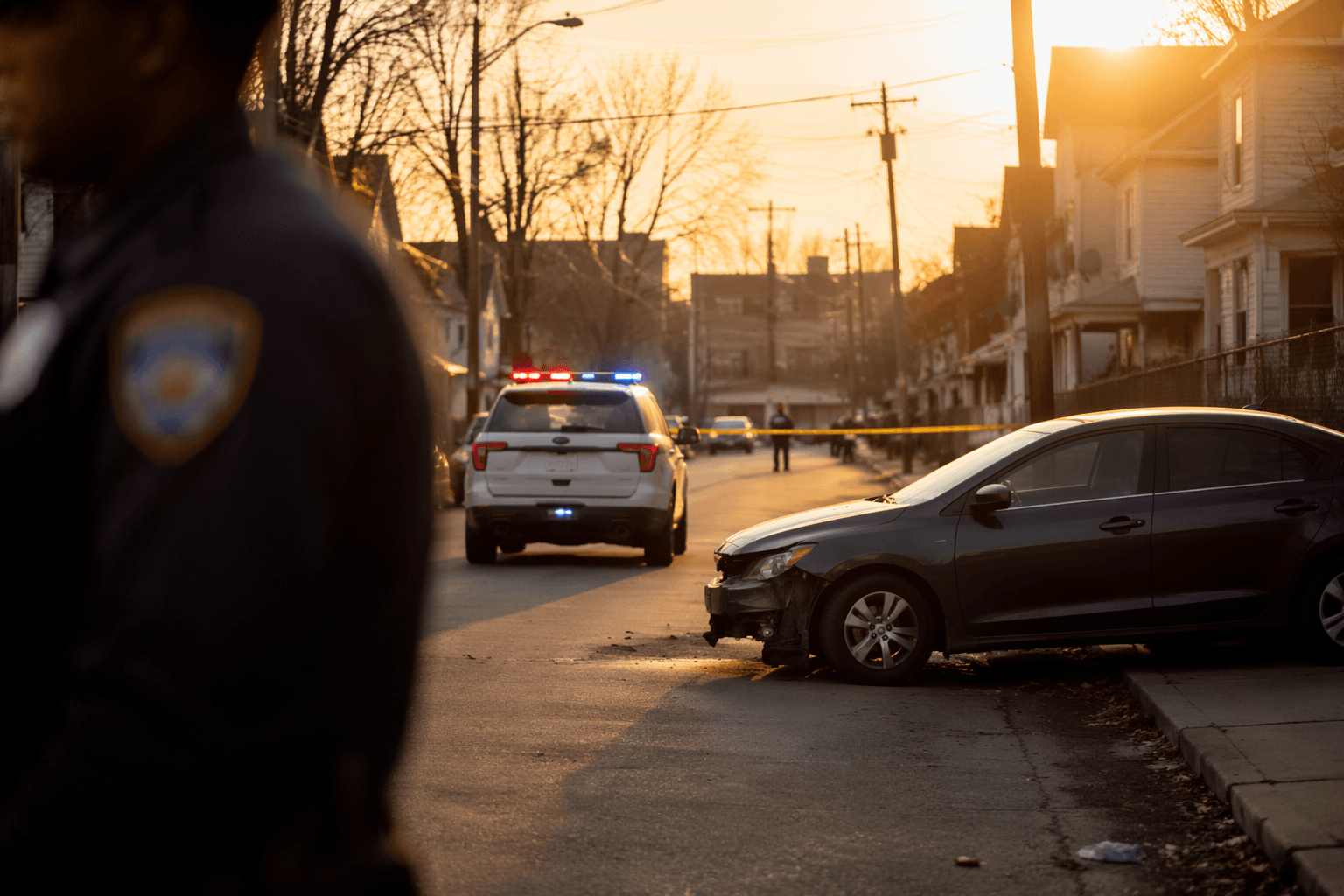
The shooting also lands in a city already wrestling with youth gun violence. Recent Syracuse reporting has documented multiple shootings involving teenagers and children, and local coverage in 2025 said shootings in Syracuse were up 46% from the same period the year before. That increase has sharpened concern in Onondaga County about where teens are most vulnerable and how often police and residents are left reacting after violence has already broken out.
For Syracuse residents, the unanswered questions are the ones that follow too many scenes like this: how the gunfire started, how far the fleeing car traveled, and what immediate steps can reduce the chance that a shooting on one block turns into a crash and another injury on the next. The North Side case adds another data point to a pattern city leaders and law enforcement have been under pressure to confront with prevention, quicker response and visible changes that make streets feel safer before the next alert comes in.
This article was produced by Prism’s automated news system from verified source data, official records, and press releases, then run through automated quality and moderation checks before publishing. The system is built and supervised by the people who set the standards it runs under. Read our full AI policy.
Know something we missed? Have a correction or additional information?
Submit a Tip