Syracuse mid-year budget report projects stronger sales tax revenue, warns of risks
Syracuse’s first mid-year budget report says sales tax could top $123 million, but Alexander Marion warned one shock could quickly reverse the gain.

Syracuse’s first mid-year budget report lands as a warning as much as a forecast: the city now expects sales-tax revenue to climb to nearly $123 million, but City Auditor Alexander Marion said that same stream remains the most fragile part of the budget.
Marion released the report on April 22, using the new in-year snapshot to show how the city is doing with its biggest revenue sources, including sales tax, state aid and property tax. He said Syracuse is currently ahead of its sales-tax estimate, but cautioned that the trend could change fast if the economy sours. War, fuel-price spikes and a pandemic were all cited as the kind of outside shocks that can hit consumer spending and, with it, city receipts.

In the report, Marion wrote that Syracuse has been “lucky to see an increase in sales tax revenue,” but said that the optimism should be tempered by war in Iran and signs of weakening labor-market conditions. For city lawmakers, the message is simple: a softer sales-tax market could force harder choices later, including pressure on services, staffing or future tax increases.
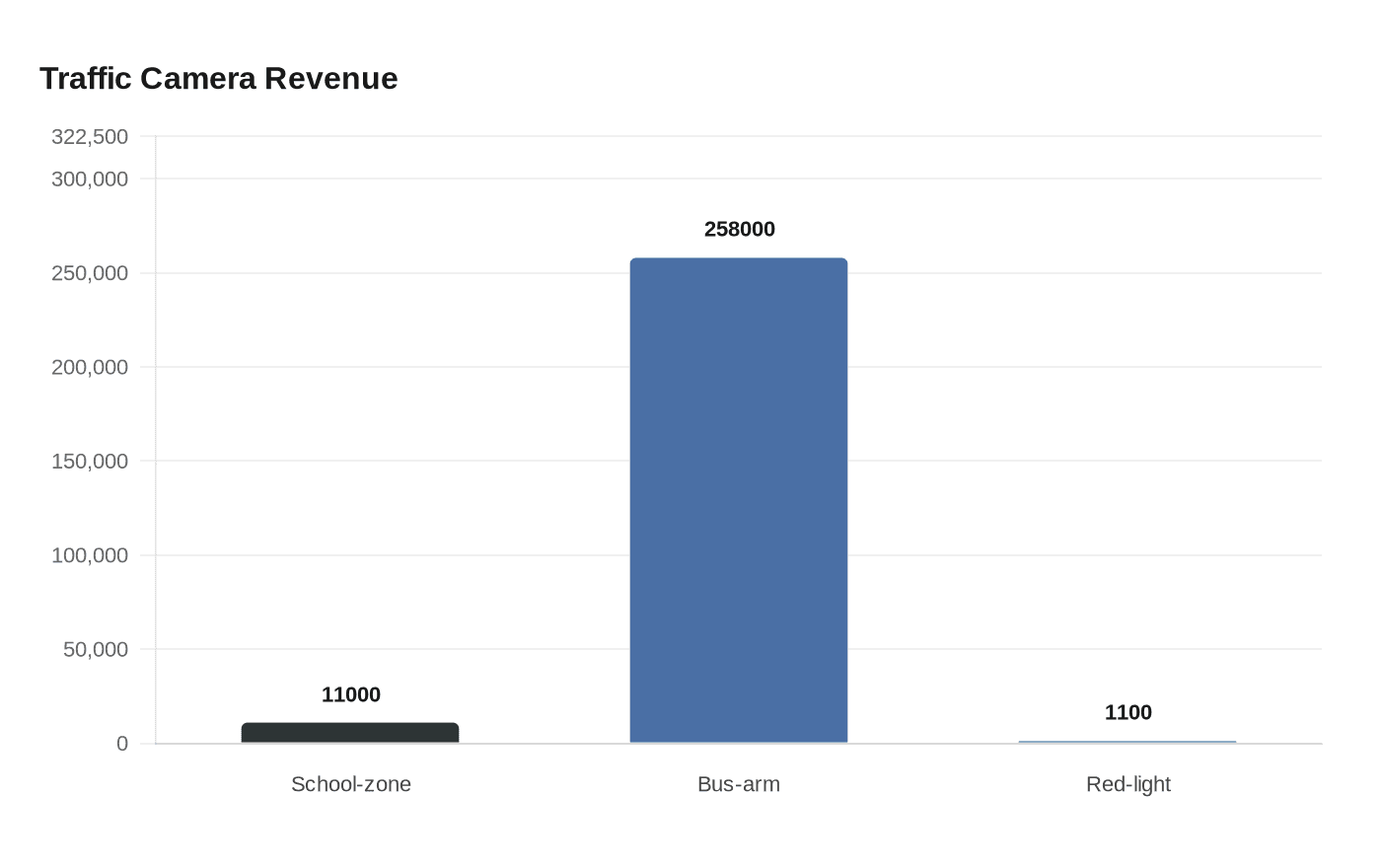
The report also tracked newer revenue from traffic enforcement programs that are still in their early stages. School-zone speed cameras had brought in $11,000, bus-arm cameras $258,000 and red-light cameras $1,100 at the time of the report. Marion said those numbers remain incomplete because fines only began in November 2025, and he questioned whether the programs will reach the projected $6 million. He said the cameras are intended to improve public safety, but the city should not assume they will become a dependable money stream.
The fiscal picture matters because Syracuse and Onondaga County share the local sales-tax base, and Syracuse gets about a quarter of that revenue. The county’s extra 1% sales-tax authority was extended through November 30, 2027, tying the city’s finances not just to downtown spending and neighborhood stores, but to broader county and statewide policy decisions.
Marion’s caution also fits into the bigger budget fight now unfolding around Mayor Sharon Owens’ first city budget, which totals about $355 million, carries a nearly $24 million deficit and proposes no new taxes. Owens has pointed to inflation, health care and utility costs as real pressures, while Marion has pushed the city toward more dependable revenue such as property taxes and state aid.
The new report gives the Syracuse Common Council a firmer benchmark before final budget decisions, and it strengthens the argument that the city’s financial stability still rises and falls with one volatile source.
This article was produced by Prism’s automated news system from verified source data, official records, and press releases, then run through automated quality and moderation checks before publishing. The system is built and supervised by the people who set the standards it runs under. Read our full AI policy.
Did this article answer your question?