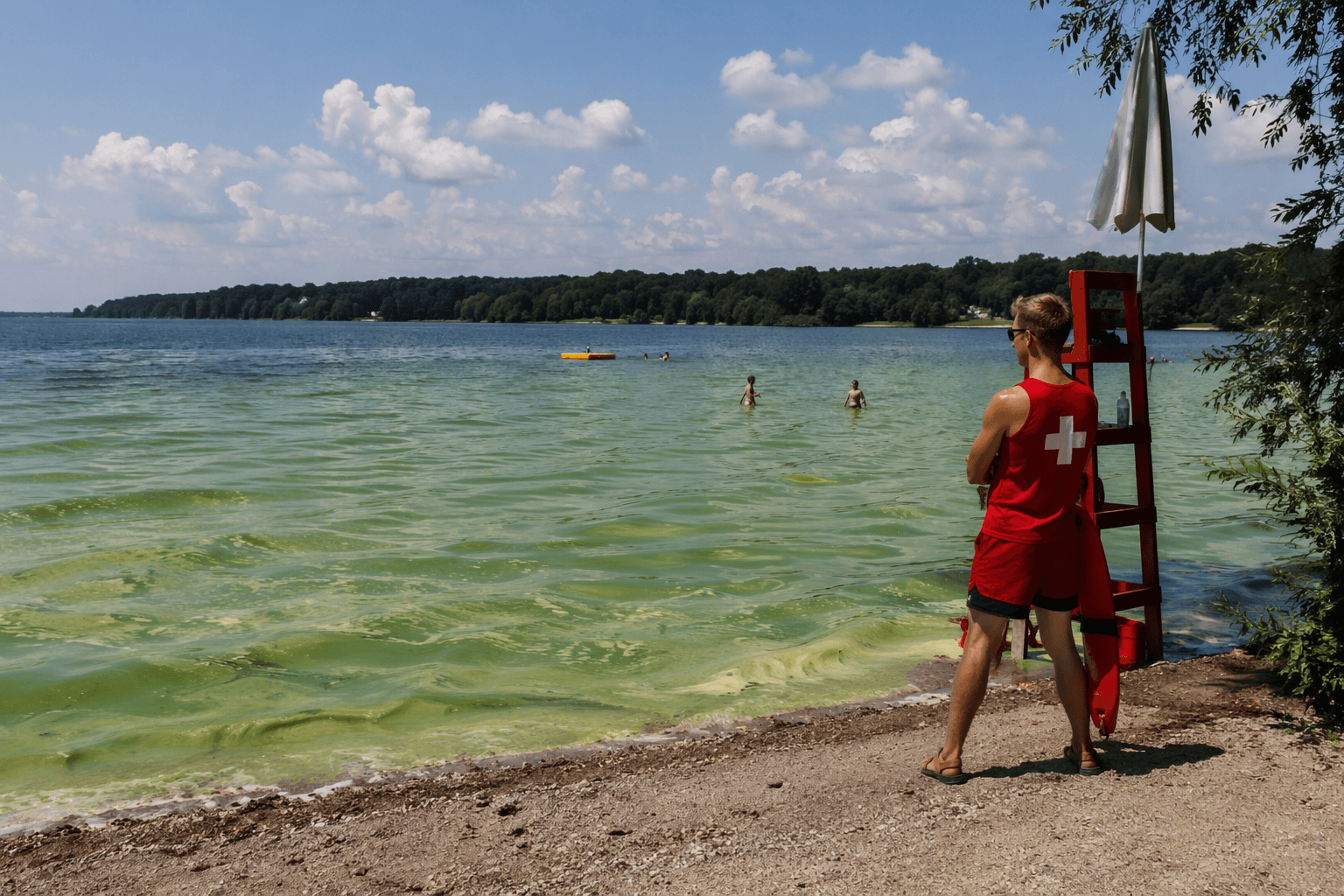
Syracuse opens cooling centers as dangerous heat grips Central New York
Syracuse hit 96 degrees on July 1, its hottest July 1 on record, and cooling centers became a lifeline for residents without air conditioning.
Syracuse set a record high of 96 degrees on July 1, breaking a mark that had stood since 1931, and city officials moved to open cooling centers as dangerous heat settled over Central New York. The warning was not just about discomfort. For families without reliable air conditioning, seniors living alone and people with medical conditions that worsen in heat, the city’s response could determine whether they got through the day safely.
New York State’s Department of Health says extreme heat is one of the most dangerous weather conditions and can lead to dehydration, heat cramps, heat exhaustion, heat stroke and the worsening of existing health conditions. The state defines cooling centers as air-conditioned facilities where people can go to cool off during extreme heat, and it collects location information each year from local health departments and emergency management offices on a voluntary basis.
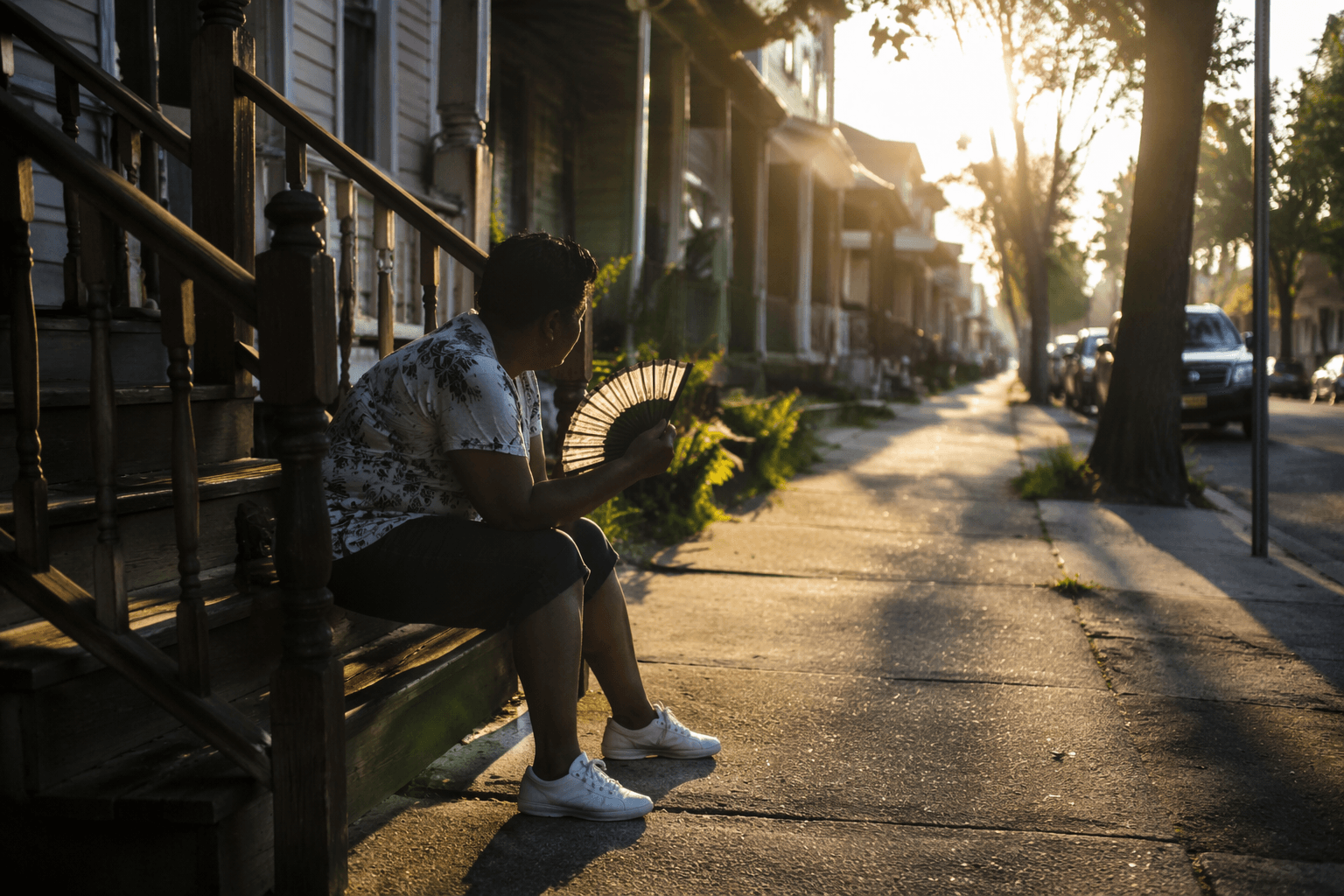
Syracuse has already built some of that response into its planning. The city’s Climate Vulnerability Action Map tracks heat exposure, vulnerable populations and community resources such as cooling centers, a reminder that heat risk lands unevenly across neighborhoods. It also reflects a broader local reality: when temperatures surge, the problem is not only the forecast. It is getting people to somewhere cooler before their homes become unsafe.
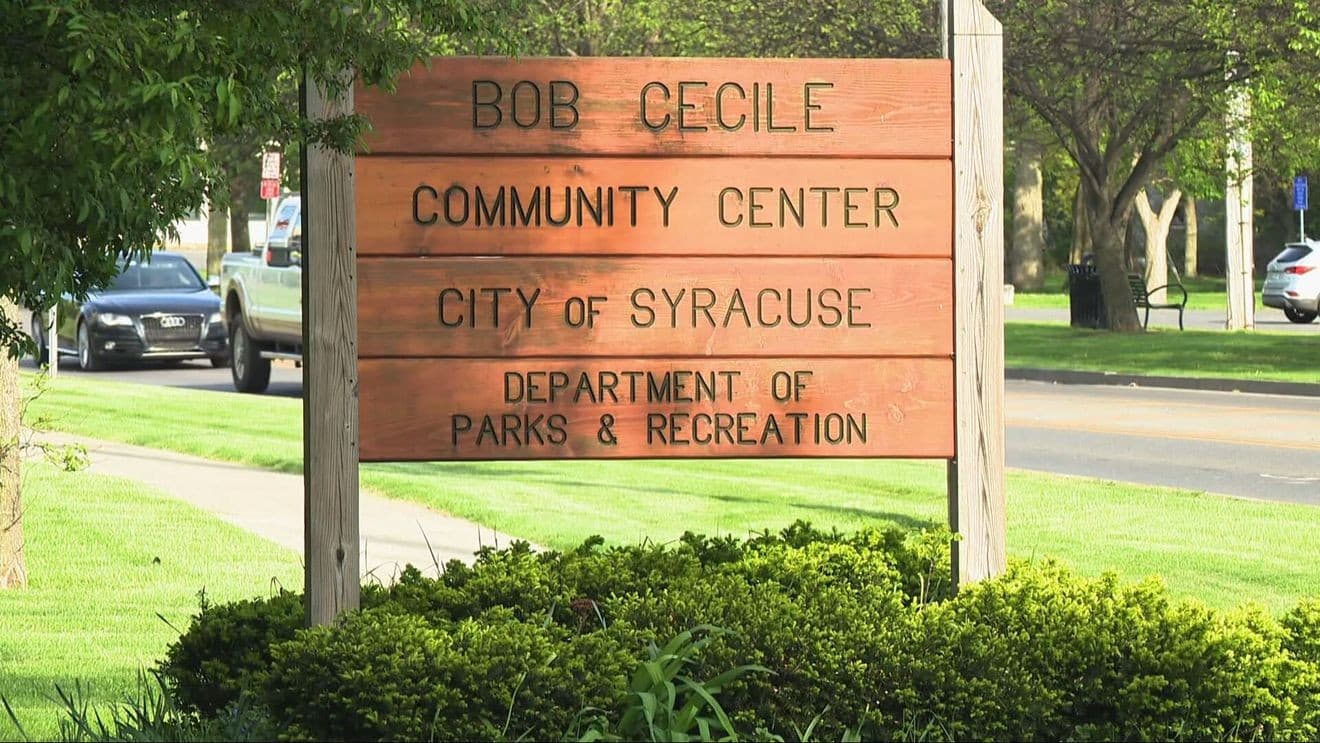
In prior Syracuse heat emergencies, the city opened the Cecile Community Center at 174 W. Seneca Turnpike and the Magnarelli Community Center at 2308 Grant Boulevard as cooling sites. During earlier heat events in June and July 2024, those centers were paired with extended hours, and residents were also directed to Onondaga County Public Library branches, city pools and other public spaces. The city has also pointed people to parks including Upper Onondaga Park, Kirk Park, McKinley Park, Burnet Park, Lincoln Park and Wilson Park as places to get relief.
That patchwork matters because cooling plans only work if people can actually use them. Syracuse’s approach has relied on public buildings spread across the city, flexible hours and repeated reminders to call ahead to confirm availability. In a summer that already produced a 96-degree reading in downtown Syracuse, the difference between a hot apartment and an air-conditioned room was no longer theoretical.
This article was produced by Prism’s automated news system from verified source data, official records, and press releases, then run through automated quality and moderation checks before publishing. The system is built and supervised by the people who set the standards it runs under. Read our full AI policy.
Did this article answer your question?