Syracuse researchers near milestone in decades-long American chestnut restoration
Syracuse scientists cleared a key federal hurdle for a blight-tolerant American chestnut that could one day return to Eastern forests.
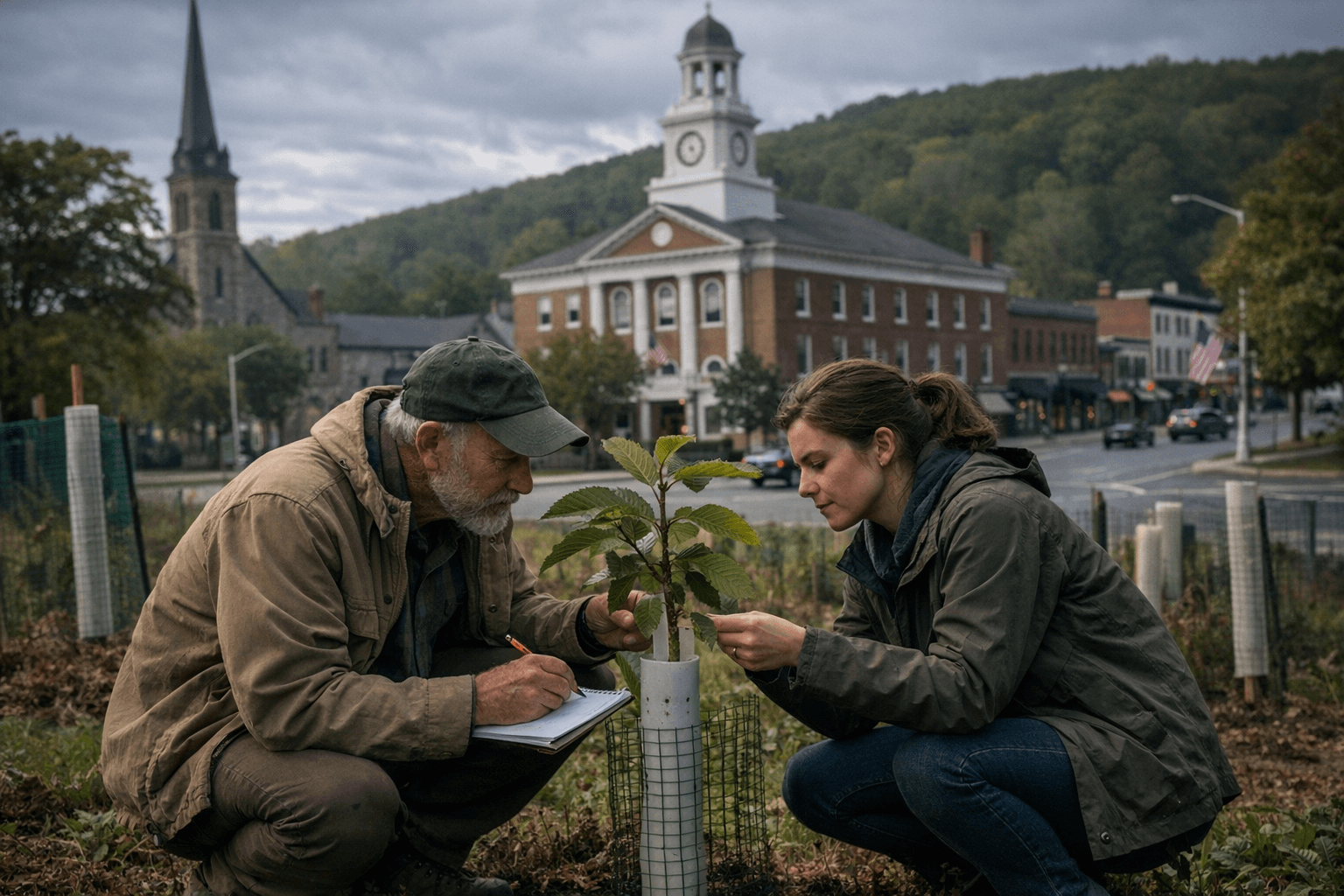
A tree that once shaped Eastern forests moved a step closer to comeback from Syracuse, where ESF researchers won a federal finding that their blight-tolerant chestnut line is unlikely to pose a plant pest risk.
That milestone mattered far beyond campus. The American chestnut once numbered nearly four billion trees and dominated portions of eastern U.S. forests. It was among the largest, tallest and fastest-growing hardwoods in those woods, and its nuts fed wildlife and Indigenous peoples. Its wood was prized for furniture, fencing, flooring, railroad ties, telegraph poles and caskets. Then chestnut blight, introduced from Asia in the late 1800s, swept through the species and cut it down over roughly 50 years.
At SUNY’s College of Environmental Science and Forestry in Syracuse, the restoration campaign began in 1989, when founding members of the New York Chapter of The American Chestnut Foundation approached William Powell and Charles Maynard about using genetic engineering to save the tree. Nearly 36 years later, the work has become one of the longest-running conservation projects in Central New York, led now by Andrew Newhouse, who directs ESF’s American Chestnut Research and Restoration Project.
The project has produced a transgenic chestnut line called Darling 54. On June 16, 2025, ESF said the USDA Animal and Plant Health Inspection Service issued a preliminary finding that Darling 54 was unlikely to pose a plant pest risk and opened a 45-day public comment period through July 21, 2025. ESF said Darling 54 was the first conservation-focused forest tree to complete a full USDA regulatory review, marking a significant advance for a species that had been pushed to the brink.
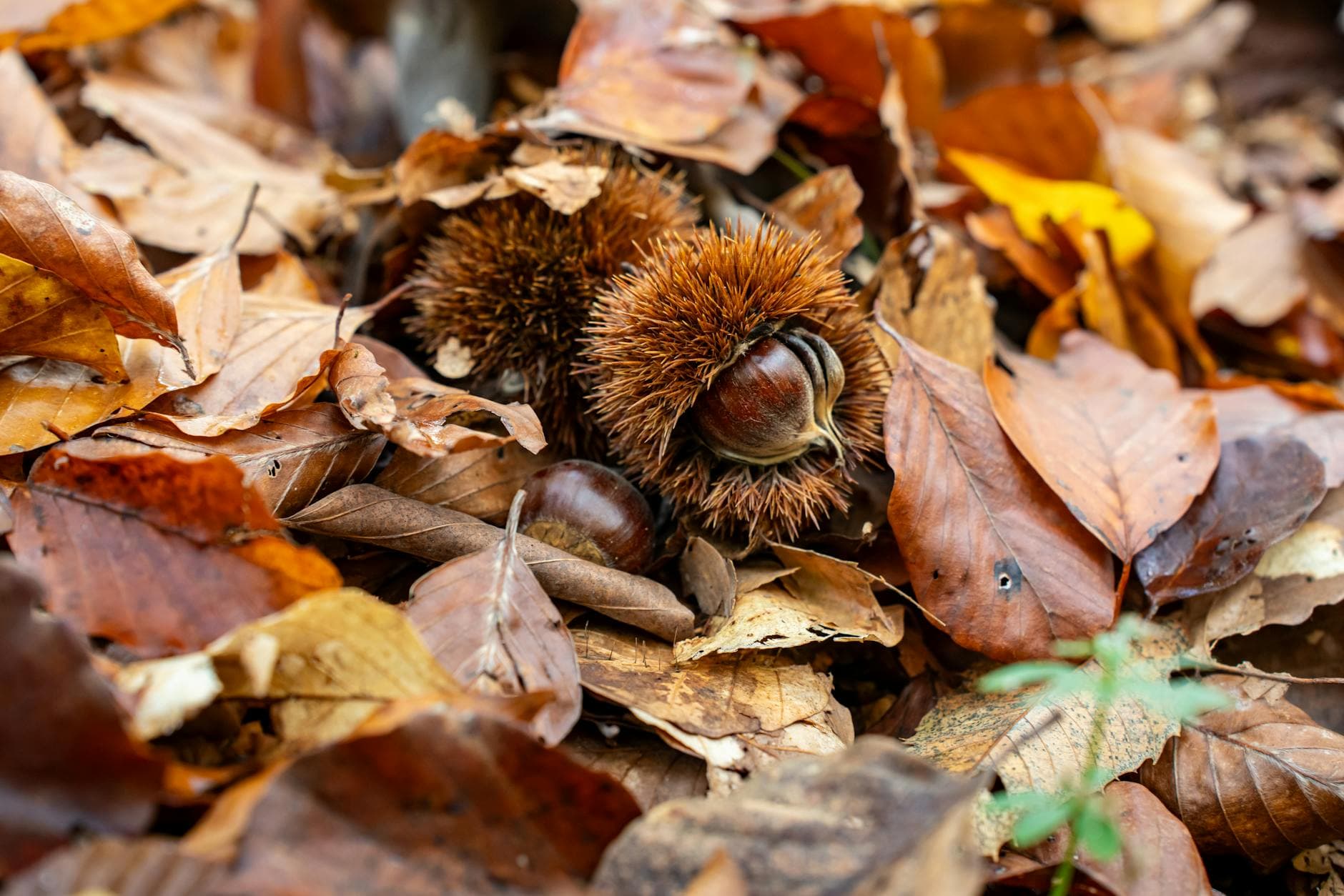
Newhouse has described the effort as using biotechnology for conservation, with the goal of rescuing tree populations rather than simply studying them. ESF says chestnut blight kills the above-ground portion of the tree while the roots survive, which is why chestnuts still linger on the landscape as repeatedly knocked-back sprouts instead of full-grown forest trees.
The remaining challenge is scale. ESF’s mission is not just to create blight-tolerant trees, but to reintroduce them into forest ecosystems in New York and then across the eastern United States. That will mean moving from a single transgenic line to broader planting and long-term forest restoration, while proving the trees can survive outside a lab and greenhouse setting.
For Onondaga County, the project ties a Syracuse research institution to a species with deep ecological and economic history. If ESF succeeds, the payoff could reach Central New York forests, wildlife habitat and future restoration efforts far beyond the county line, with tools developed here potentially useful against other threats such as Dutch elm disease, elm yellows and beech leaf disease.
This article was produced by Prism’s automated news system from verified source data, official records, and press releases, then run through automated quality and moderation checks before publishing. The system is built and supervised by the people who set the standards it runs under. Read our full AI policy.
Did this article answer your question?
!role~Preview!mt~photo!fmt~JPEG%2520Baseline&w=1920&q=75)
