Syracuse seeks public input on long-term plan for growth and equity
Syracuse is setting a 2050 blueprint that could steer zoning, housing and transit for 10 to 15 years. Five public meetings began June 22.
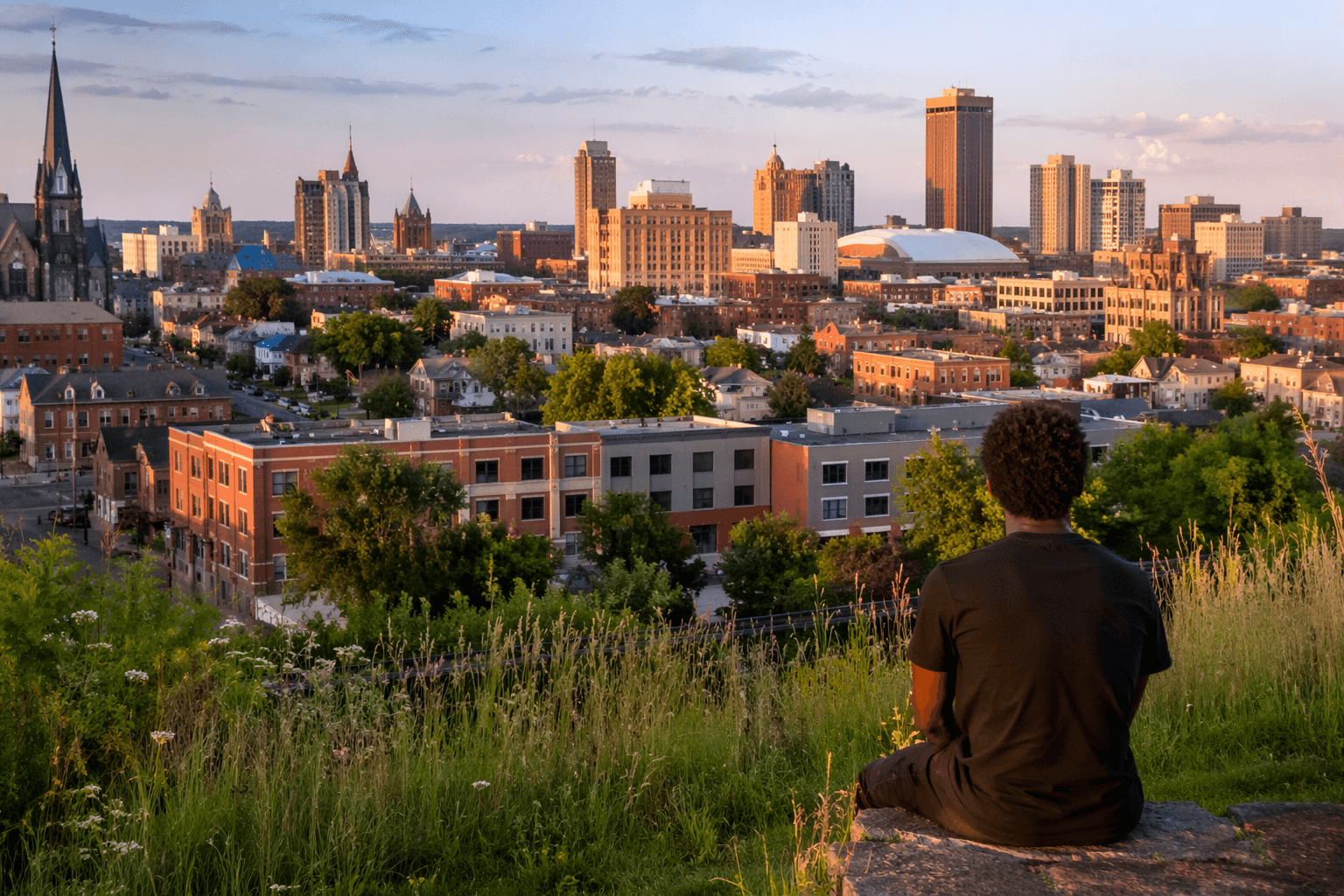
Syracuse is asking residents to help decide where the city grows next, and which neighborhoods see housing, transit, recreation and climate spending first. Mayor Sharon Owens announced five public meetings for the Syracuse Comprehensive Plan 2050, a long-range blueprint the city says will guide investment and development for the next 10 to 15 years and shape decisions on land use, equity, the built environment and quality of life.
The city said the process will include one webinar and four in-person meetings on June 22, June 25, June 30, July 9 and July 14. It is also seeking input from residents, business owners, local organizations, advocates and city departments. Owens cast the effort as a shared planning exercise, saying, “The Syracuse we envision tomorrow depends on the voices we bring together today.”
The stakes are higher than a routine planning update. The current Comprehensive Plan 2040 was adopted by the Syracuse Common Council in 2014, and city materials say a decade has passed since that adoption. The new plan is intended to become the city’s next major framework for future decision-making, with targeted strategies for housing, neighborhoods, transportation, sustainability and opportunity.
That matters because Syracuse has already used its last comprehensive plan to drive major policy changes. ReZone Syracuse, the citywide zoning overhaul adopted in 2023, was designed to implement the Comprehensive Plan 2040 and the Land Use and Development Plan 2040. The earlier plan also covered bicycle infrastructure, historic preservation, land use and development, public art and sustainability, showing how a comprehensive plan can reach into everyday life far beyond a document on a shelf.
The question now is whether Comprehensive Plan 2050 will produce clearer results on the issues residents notice block by block: where apartments get built, which corridors attract redevelopment, how neighborhoods receive investment, and how the city balances growth with equity and climate resiliency. Onondaga County Planning says it works from a bottom-up approach built around public participation, underscoring how Syracuse’s choices can ripple into broader county planning and economic development priorities.
For city officials, the challenge is not just collecting comments. It is proving that this plan will turn public input into concrete decisions the city can use over the next decade and more, before the window for shaping Syracuse’s future closes.
This article was produced by Prism’s automated news system from verified source data, official records, and press releases, then run through automated quality and moderation checks before publishing. The system is built and supervised by the people who set the standards it runs under. Read our full AI policy.
Know something we missed? Have a correction or additional information?
Submit a Tip

