Syracuse students ask for more inclusive pre-K classroom supplies
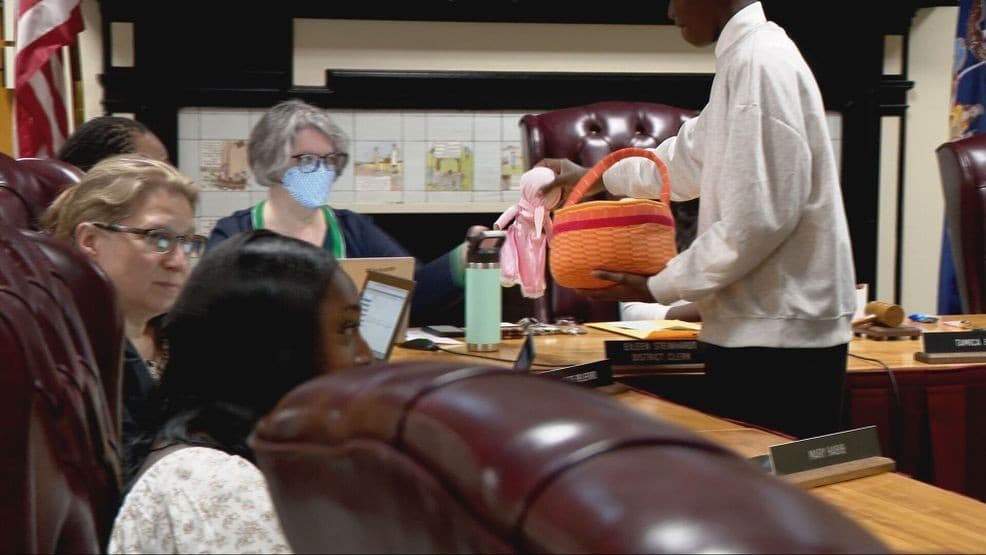
Syracuse students asked the school board for $15,000 in inclusive toys and supplies so pre-K and kindergarten children can see themselves in class.
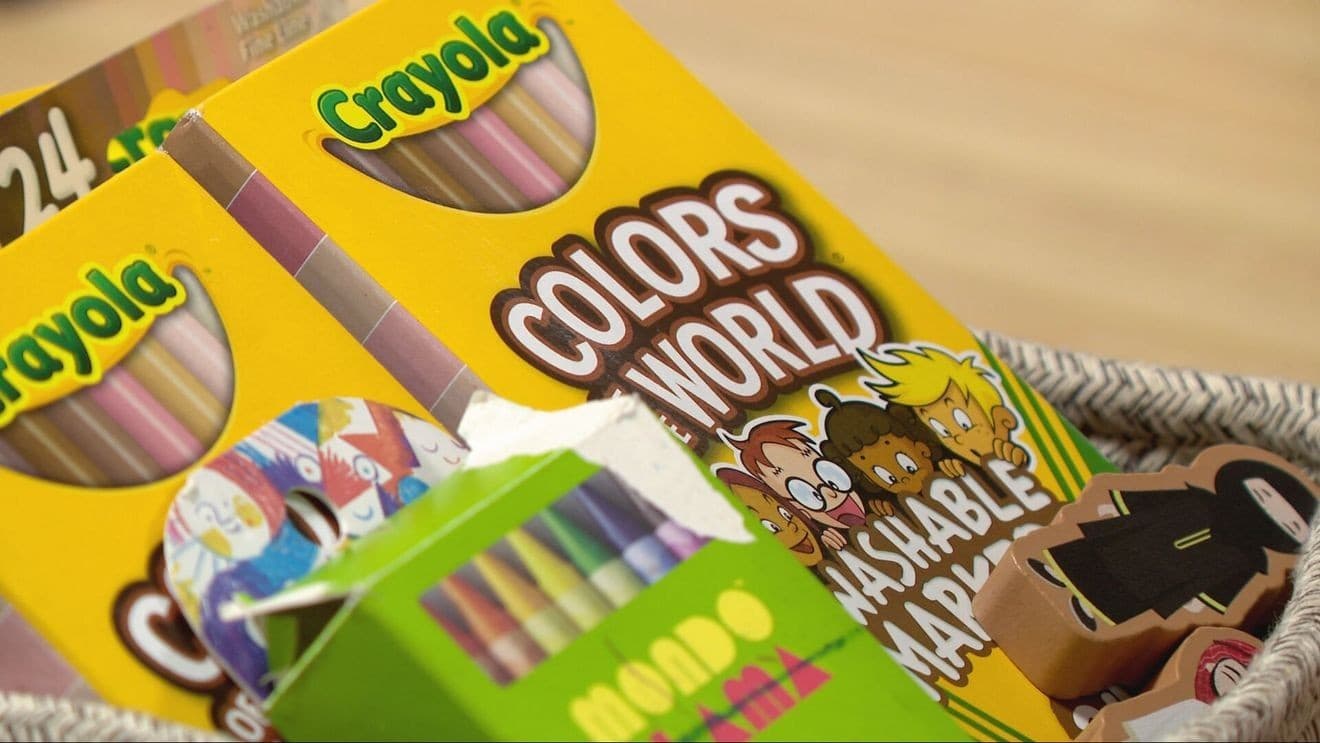
Syracuse students pressed the Syracuse City School District Board of Education to spend about $15,000 on more inclusive toys, crayons, dolls and other supplies for prekindergarten and kindergarten classrooms. Their pitch was simple and direct: in the county’s earliest classrooms, the materials children handle every day should reflect the racial and cultural diversity already inside the district.
The request landed with unusual force because it came from students rather than adults. Instead of offering a broad complaint about representation, they brought a specific shopping list and a price tag the board can actually weigh. For pre-K and kindergarten children, that matters early, when belonging, identity and first impressions of school begin to take shape.

Syracuse’s early childhood program has been in place since 1966, and the district says pre-K is not a mandated grade level in New York State, which means seats are limited. The district also says preschoolers with disabilities are included in district pre-K classes rather than placed in self-contained special education preschool rooms, a model that already puts inclusion at the center of the program.
That broader district makeup helps explain why the students’ request resonated. Syracuse City School District says more than 70 languages are spoken by students and that children come from more than 60 countries. The district also has an Office of Diversity, Equity, and Belonging and says Board Policy 3430 supports diversity, equity and inclusion practices.
The students’ idea also aligns with state guidance. The New York State Education Department says its Office of Early Learning supports programs from pre-K through third grade, and its culturally responsive-sustaining framework is built to honor, reflect and affirm student diversity. NYSED also emphasizes play as an instructional strategy in pre-K through grade 2 and recommends intentionally designed learning centers in early childhood classrooms.
National early-childhood guidance points in the same direction. The National Association for the Education of Young Children says dolls, books and similar classroom materials can help children develop positive racial identity and feel a sense of belonging. In that context, skin-tone crayons or more varied dolls are not small gestures, but part of the daily environment that tells young children who school is for.

For Syracuse schools, the question now is whether the board treats the students’ request as a one-time purchase or as a sign that the district should change what its youngest learners see, use and learn with every day.
This article was produced by Prism’s automated news system from verified source data, official records, and press releases, then run through automated quality and moderation checks before publishing. The system is built and supervised by the people who set the standards it runs under. Read our full AI policy.
Did this article answer your question?
!role~Preview!mt~photo!fmt~JPEG%2520Baseline&w=1920&q=75)
