Syracuse University forms task force to confront enrollment drop, budget strain
Syracuse University named a 12-member task force after missing fall enrollment goals, setting up a mid-November deadline as a nearly 1.5 percent deficit looms.
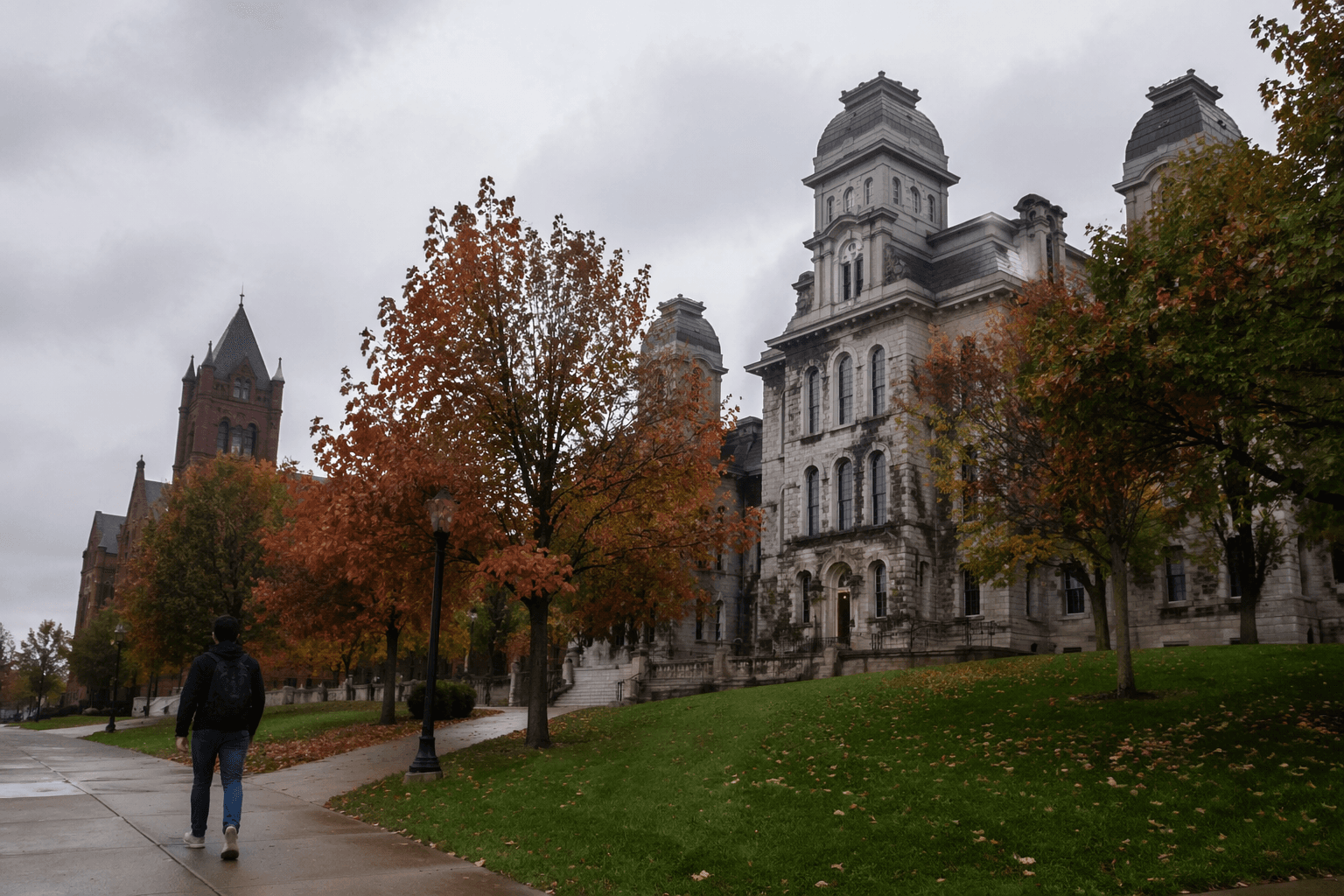
Syracuse University has set up a 12-member task force to rethink its future after Chancellor J. Michael Haynie told faculty on June 11 that the school fell short of its enrollment goals for the coming fall. The group has four and a half months to produce recommendations, with a report due by mid-November.
Haynie, who was selected by the Syracuse University Board of Trustees as the institution’s 13th chancellor and president in March and took office in May, told the campus the university needs to consider solutions that could be disruptive and unpopular. That is a sharper response than a routine enrollment adjustment, and it signals that leaders see the problem as one that could reshape academics, staffing and recruiting.
The financial pressure is immediate. Haynie said the shortfall would create nearly a 1.5 percent deficit for the next school year, at a time when tuition remains the university’s main source of revenue. Syracuse raised full-time undergraduate tuition 4.5 percent for 2025-26, to $66,580 from $63,710, adding to the strain on families already facing higher costs.
The task force itself reflects how wide the review may go. Its members come from across the university, with professors and leaders drawn from finance, sociology, architecture, communications, biology, law, education, entrepreneurship, writing and sport management, along with senior student-engagement leadership. That mix suggests the university is not only looking at enrollment numbers, but also at mission, identity, programming and campus culture.
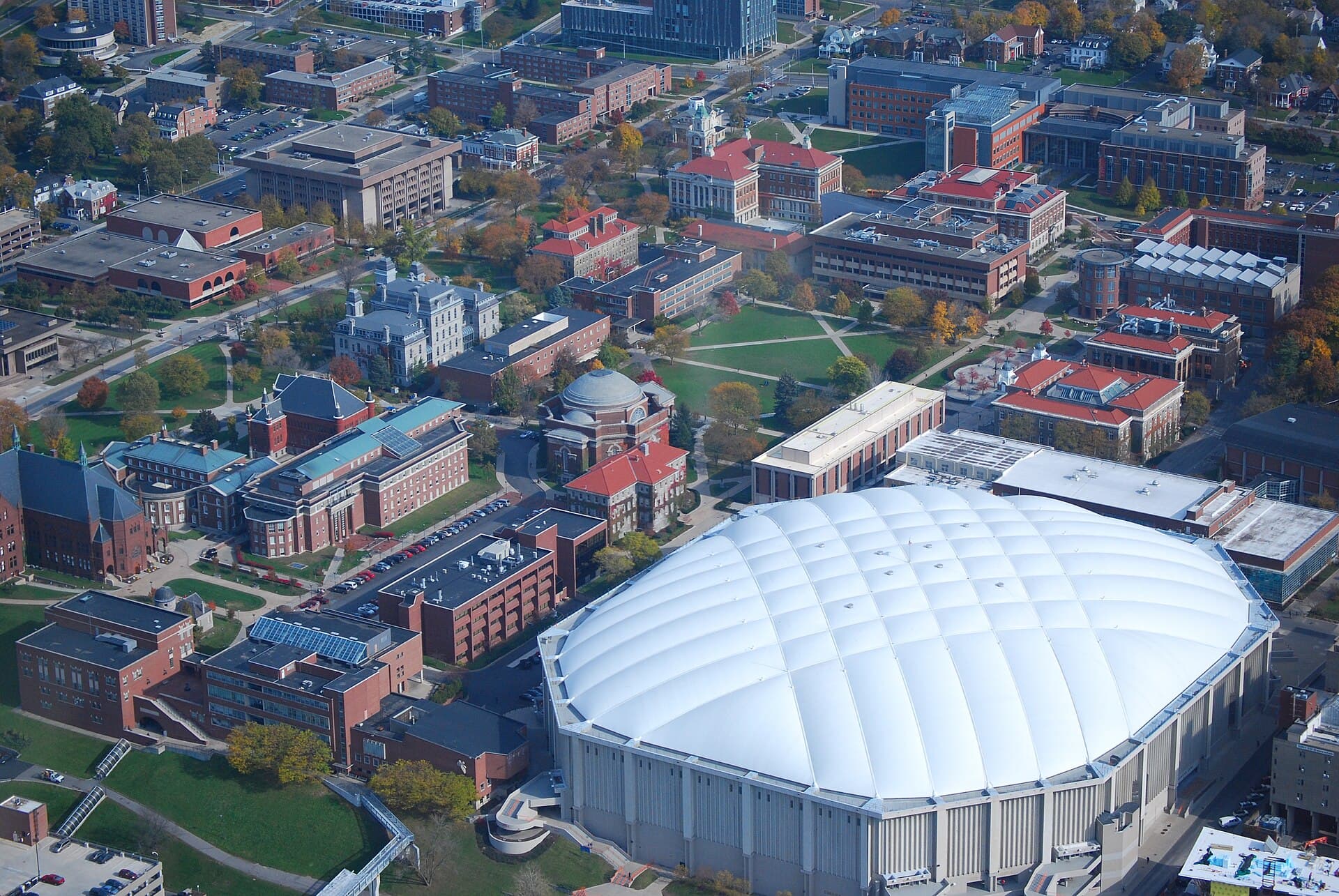
Syracuse said it enrolls more than 22,000 undergraduate and graduate students across 13 schools and colleges at the private research university, which was founded in 1870. It also said almost 47,000 students applied for Fall 2025 for a first-year class of about 3,750, a sign that demand remains intense even as the pool of college-age students shrinks nationally after the birth-rate drop that followed the Great Recession.
The university has also faced a decline in international undergraduate and graduate applications, with officials citing visa difficulties, geopolitical pressures and disruptions in federal policy. That adds another layer to the challenge as Syracuse weighs how to recruit in a more competitive market.
The broader stakes reach well beyond the Hill. A January 2026 report put Syracuse University’s annual economic impact in Central New York at about $1.8 billion, making the task force’s work relevant to jobs, housing demand, neighborhood activity and the city’s wider economy. The university’s 2023 strategic plan, Leading With Distinction, had already called for changes in budget modeling, scholarship support and central resources, and the new task force may now determine how far those changes need to go.
This article was produced by Prism’s automated news system from verified source data, official records, and press releases, then run through automated quality and moderation checks before publishing. The system is built and supervised by the people who set the standards it runs under. Read our full AI policy.
Did this article answer your question?

!role~Preview!mt~photo!fmt~JPEG%2520Baseline&w=1920&q=75)