5,000 native trees planted at Lower Bashakill Preserve floodplain in Deerpark
5,000 native trees now cover 10 acres of Lower Bashakill Preserve, a floodplain planting aimed at cutting erosion and strengthening Deerpark’s water defenses.
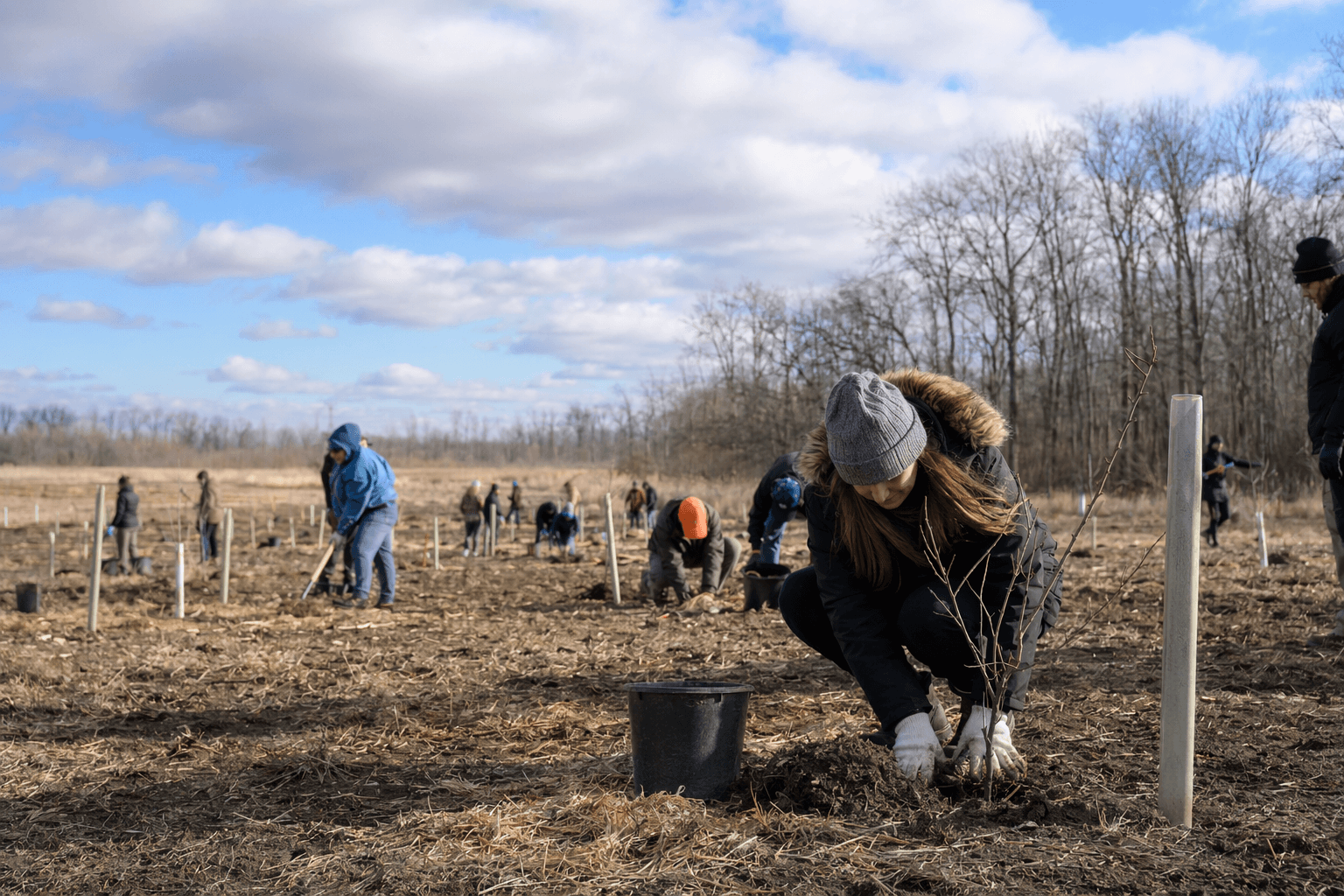
5,000 native trees went into the ground on 10 acres of floodplain at Lower Bashakill Preserve in Cuddebackville, an effort aimed at making one of western Orange County’s most sensitive landscapes better able to hold water, slow erosion and support wildlife.
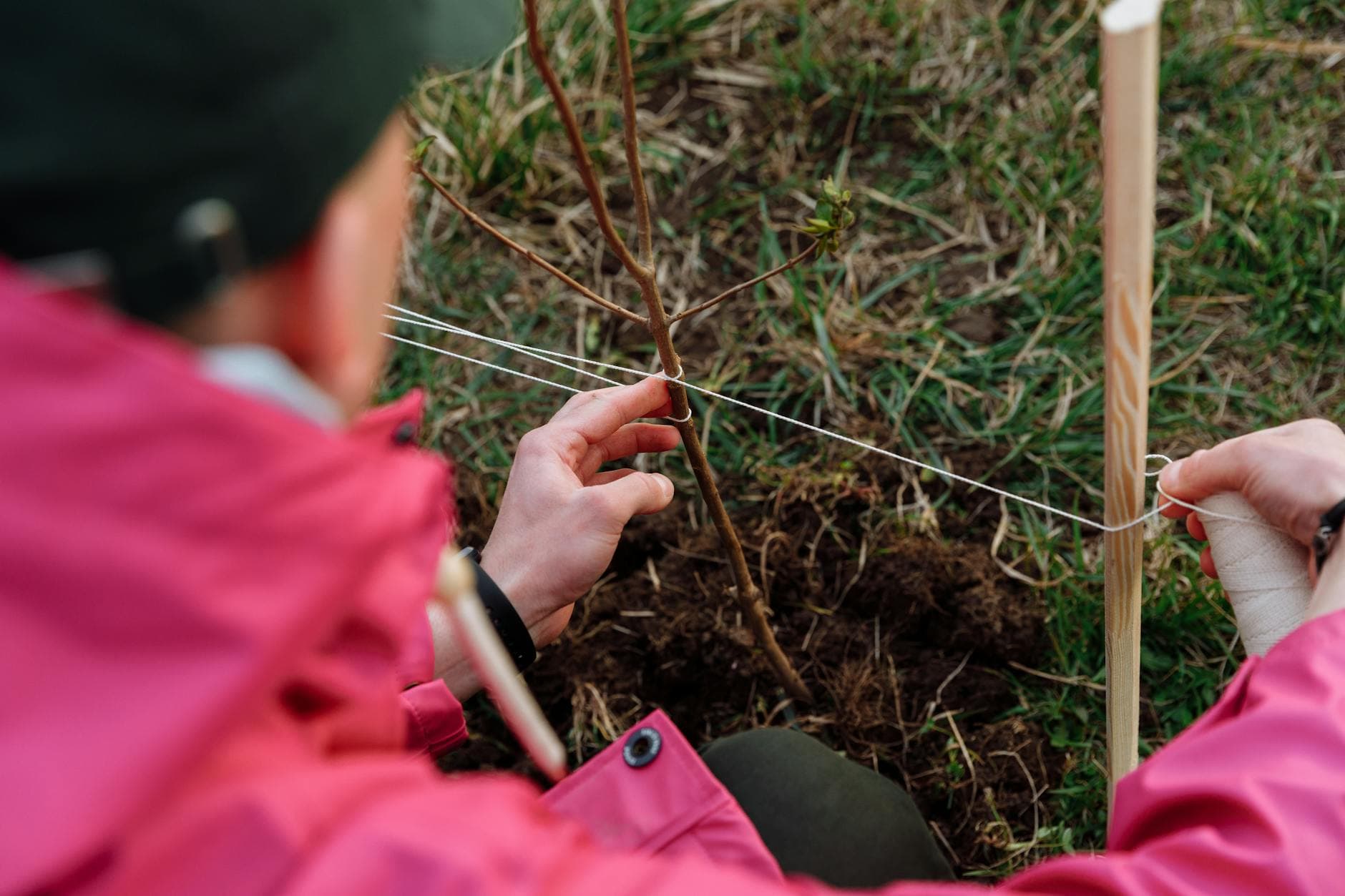
The Orange County Land Trust and The Nature Conservancy planted the trees at the 136-acre protected property in the Town of Deerpark, using 11 native species in protective tree tubes to reduce damage from deer and other wildlife. The mix included red maple, sugar maple, gray birch, sweetgum, black tupelo, red pine, eastern white pine, northern red oak, American sycamore, swamp white oak and black willow.
The project was more than a restoration milestone. Lower Bashakill sits on a floodplain along the Basher Kill, a tributary of the Neversink River, in a part of the county where flood risk is already a major concern. Orange County’s 2025 Floodplain Management Plan says the county is highly susceptible to flooding and has endured significant losses over the years, making floodplain restoration a direct infrastructure issue as much as an environmental one.
About 20 contracted planters completed the work Monday, and a small gathering of officials and representatives later met at the Route 211 site to mark it. The planting was part of a 25-year partnership between the land trust and The Nature Conservancy, which first worked together on the property acquisition in 2001. It was also one of The Nature Conservancy’s planned 15 reforestation projects in New York State in 2026, and the land trust said Lower Bashakill was the third-largest of the 15 by acreage and tree count, and the only one outside the North Country region.
Local leaders framed the project as a long-term investment in flood resilience and public lands. Orange County Executive Steven M. Neuhaus thanked the partners and said the planting would help "regain and retain" floodplains. Orange County Legislator Thomas Faggione praised the commitment by state, county and local governments for future generations. New York State Department of Environmental Conservation forestry official Michael Callan added, "the best time to plant a tree was 10-years-ago, but the second-best time was today."
The setting gives the work added weight. Nearby Bashakill Wildlife Management Area spans 3,107 acres, contains the largest freshwater wetland in southeastern New York and is designated a Bird Conservation Area. For a region tied to wetlands, bird migration and the Delaware River watershed, the new trees are designed to do what flood-control plans increasingly demand: hold soil, absorb runoff and reduce future costs before the next big storm arrives.
This article was produced by Prism’s automated news system from verified source data, official records, and press releases, then run through automated quality and moderation checks before publishing. The system is built and supervised by the people who set the standards it runs under. Read our full AI policy.
Did this article answer your question?