Chester approves $9.7 million budget, raises general fund levy 2.67 percent
Chester’s new budget lifts the village levy 2.67 percent, but water and sewer rates stay flat as officials lean on rent, bond payments and separate utility funds.
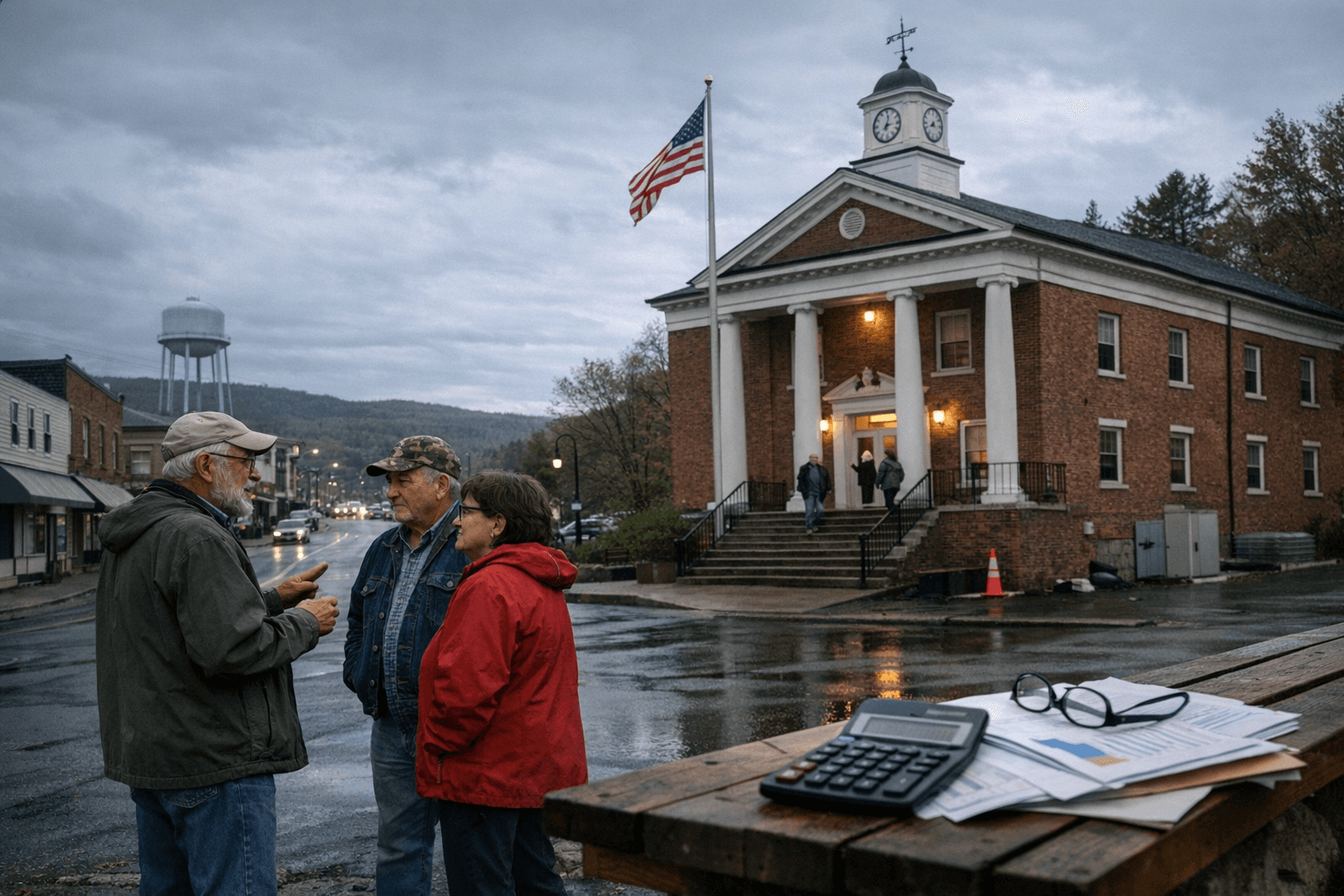
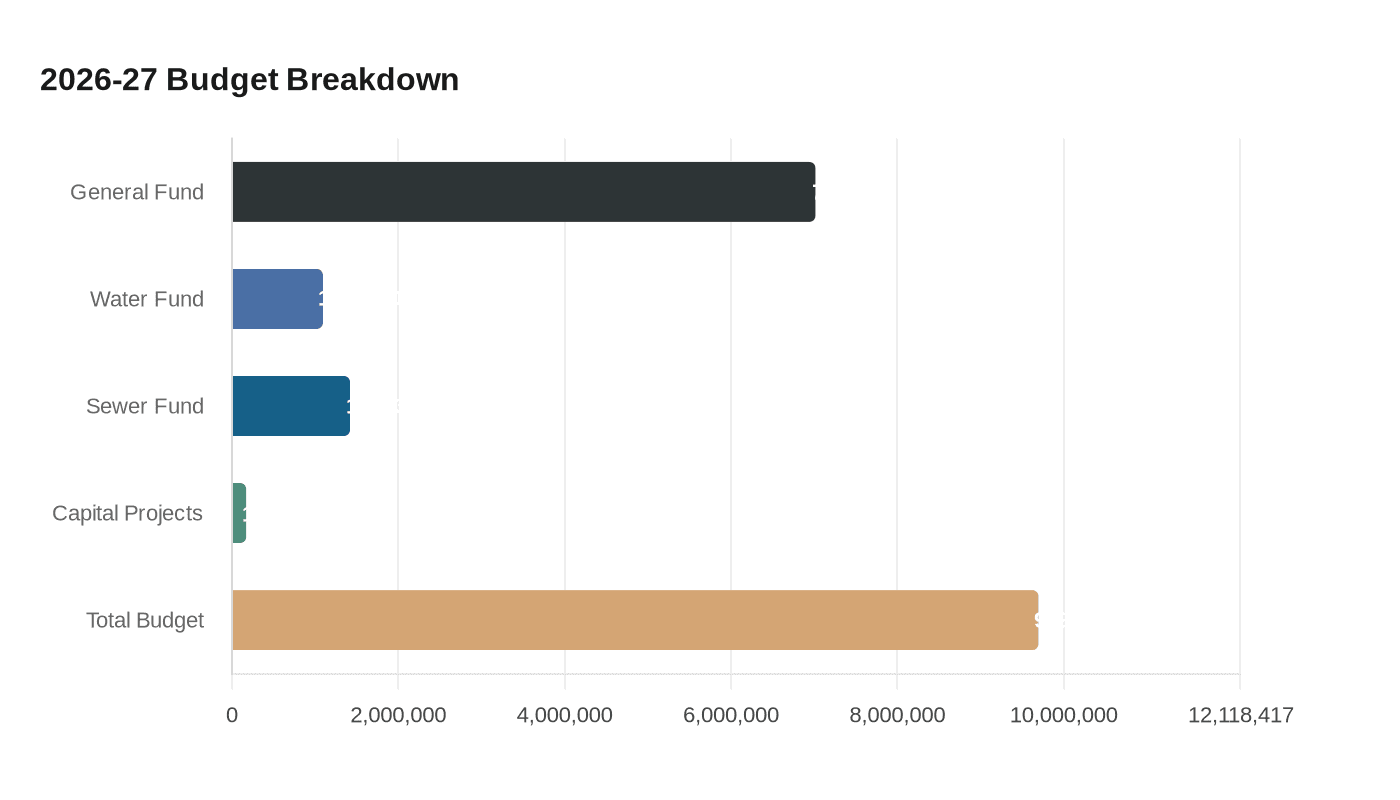
Village taxpayers will see a 2.67 percent larger general fund levy after the Village Board of Trustees approved Chester’s 2026-27 budget, a $9.7 million spending plan that keeps water and sewer rates unchanged. The general fund totals $7,013,719, and the full village budget comes to $9,694,733, with separate water, sewer and capital projects funds of $1,092,660, $1,418,354 and $170,000.
For a village incorporated in 1892, spread across just 2.1 square miles and home to 3,993 people, the increase is modest on paper but still meaningful in a community where every line of the budget is visible. Chester sits in the northern part of the Town of Chester, about 60 miles north of New York City, and the latest levy follows a familiar pattern of small increases. Last year’s budget carried a 2.76 percent tax increase and a total tax levy of $7,138,576. The year before that, the village adopted a 2024-25 budget with a 2.15 percent property tax increase.
The board’s April 13 vote also folded in a series of operational commitments that shape the village’s longer-term costs. Trustees approved a collective bargaining agreement with the Chester Police Benevolent Association covering June 1, 2025 through May 31, 2028, a move that locks in labor terms for public safety staffing. They also approved an agreement with C.R. Wolfe/Reiner Group for mechanical services, a water agreement tied to the 391 Bull Mill Road development in the Town of Chester, and a plan to make bond payments over the next several years. Cell-tower rent revenue will be assigned to the general fund, giving the village a non-tax revenue stream to help support day-to-day operations.
The budget came alongside resident complaints that underscored the pressures behind the numbers. One resident raised questions about water problems on West Avenue, while another criticized a fine agreement involving PDJ Components, saying it would not deter future violations. Mayor John Tom Bell said the company had until May 1 to file its next report and warned that the village could take a harder line if it did not comply.
That enforcement issue already has a history. In March 2026, PDJ Components of 35 Brookside Avenue settled village violations for $15,000 after being cited for dust and noise pollution and while seeking approval for a revised site plan to expand operations. Chester’s budget, then, is not just a tax document. It reflects utility policy, labor costs, infrastructure maintenance, development pressure and the village’s willingness to use separate revenue streams to keep the general fund from rising faster.
This article was produced by Prism’s automated news system from verified source data, official records, and press releases, then run through automated quality and moderation checks before publishing. The system is built and supervised by the people who set the standards it runs under. Read our full AI policy.
Did this article answer your question?