Dutchess Quarry Sites reveal Orange County's Ice Age past
Orange County’s Dutchess Quarry Sites link Ice Age geology, early human history, and today’s land-use fights in Goshen. The caves are now part classroom, part conservation test, and part local identity.
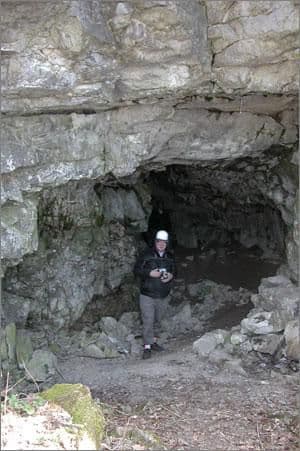
The Dutchess Quarry Sites put Orange County’s deepest past in one place: Ice Age geology, prehistoric human activity, and the land-use decisions now shaping what survives. The district is not just a quarry remnant in Goshen; it is a documented archaeological landscape on Lookout Mountain, and the county has already treated it as something worth studying, protecting, and explaining to the public.
Why this site matters now
A 2012 management and conservation report prepared for the Orange County Department of Planning by The Archaeological Conservancy framed the district as more than a single historic spot. Authored by Andy Stout and Will Sheppard of The Archaeological Conservancy’s Eastern Regional Office in Frederick, Maryland, the report organized its work around historical overview, current setting, past geological setting, Pleistocene evidence in Orange County, past cultural setting, and Paleo-Indian sites. That structure tells you what makes the Dutchess Quarry Sites unusual: the geology and the archaeology are inseparable.
The county’s broader archaeological record reaches back to prehistoric cultural affiliations dating to 10,999 BC, according to National Register listings for Orange County. In practical terms, that means the Dutchess Quarry Caves are part of a story that predates the modern county by thousands of years and still helps explain why the landscape looks the way it does today.
What the district shows about the Ice Age
Orange County sits in a region shaped by glacial movement, quarrying, and long-term human adaptation. The Dutchess Quarry Sites capture that history in a way a textbook cannot. The report’s focus on Pleistocene evidence and past geological setting shows the value of the site as a place where you can read the county’s Ice Age history directly from the land.
That matters to local educators and planners because the caves are not isolated curiosities. They are evidence of how glaciers and later quarrying altered the ground beneath modern Goshen, and how people lived on and around that changing terrain. When a site preserves both quarry history and Ice Age artifacts, it becomes a fixed point for explaining change over time across Orange County.
A preservation issue, not just an archaeological one
The Dutchess Quarry Sites carry the weight of National Register recognition, which signals historic significance on a broader scale and brings conservation responsibility with it. In Orange County, that responsibility has collided with development pressure and mining interests. The site’s meaning is therefore civic as well as scientific: it forces county lawmakers, planners, preservation advocates, and nearby land users to decide what kind of landscape they want to leave in place.
That tension became visible in late 2020, when local coverage said Orange County was considering selling 31 acres of county-owned land between the Dutchess Quarry caves and a decades-old quarry. The concern was not abstract. The same coverage linked the proposed sale to possible damage to the historic caves and the Ice Age artifacts found there, the kind of loss that cannot be recreated once land is altered.
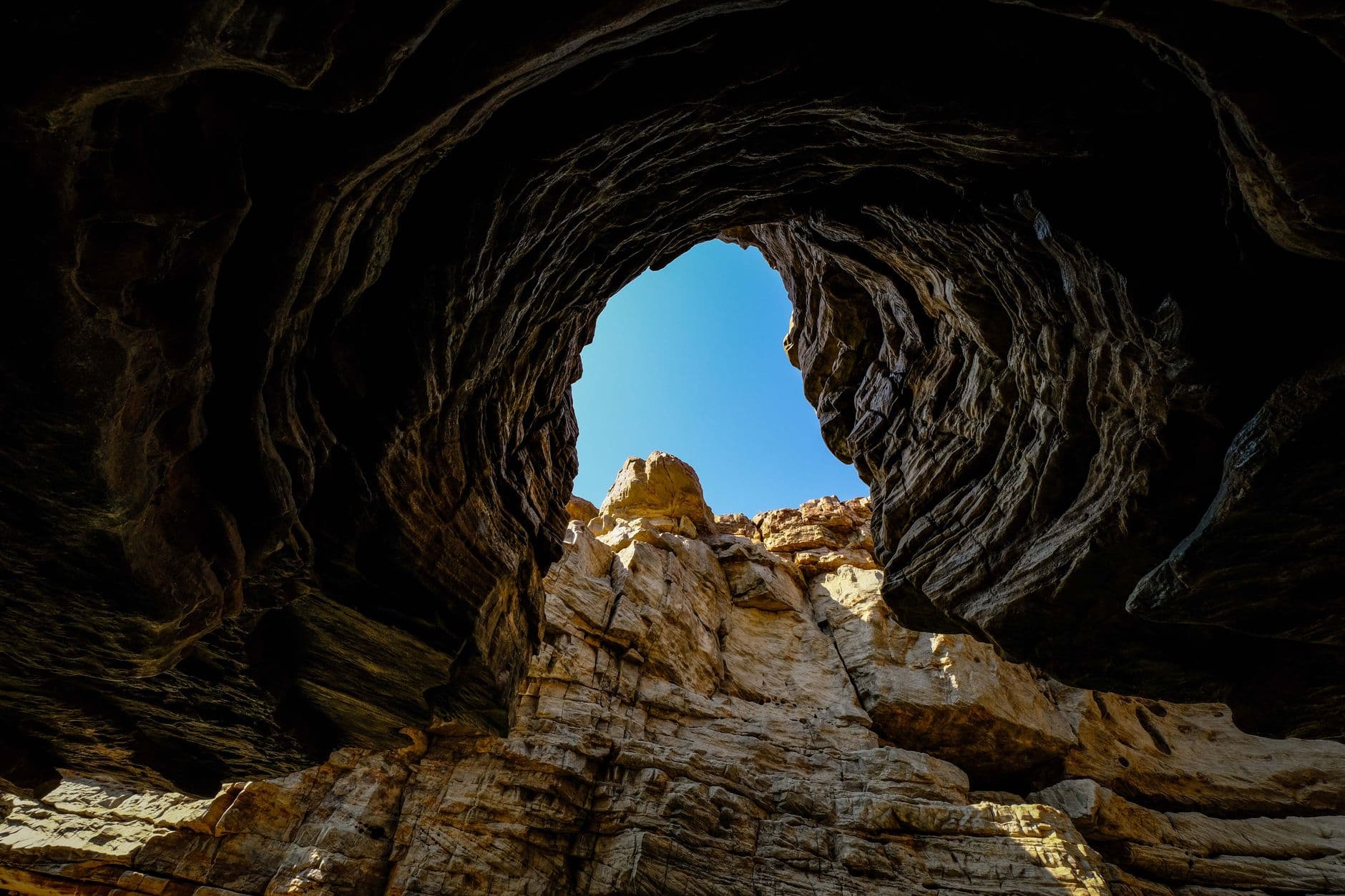
A separate November 2020 report said a coalition of concerned individuals and groups met to support preservation of the Dutchess Quarry Caves on Lookout Mountain in Goshen. That meeting mattered because it showed the site had moved beyond specialist circles and into local public concern. The caves had also been appraised at $1,270,000, giving the preservation debate a concrete financial dimension as well as an archaeological one.
How county and town decisions shape the site
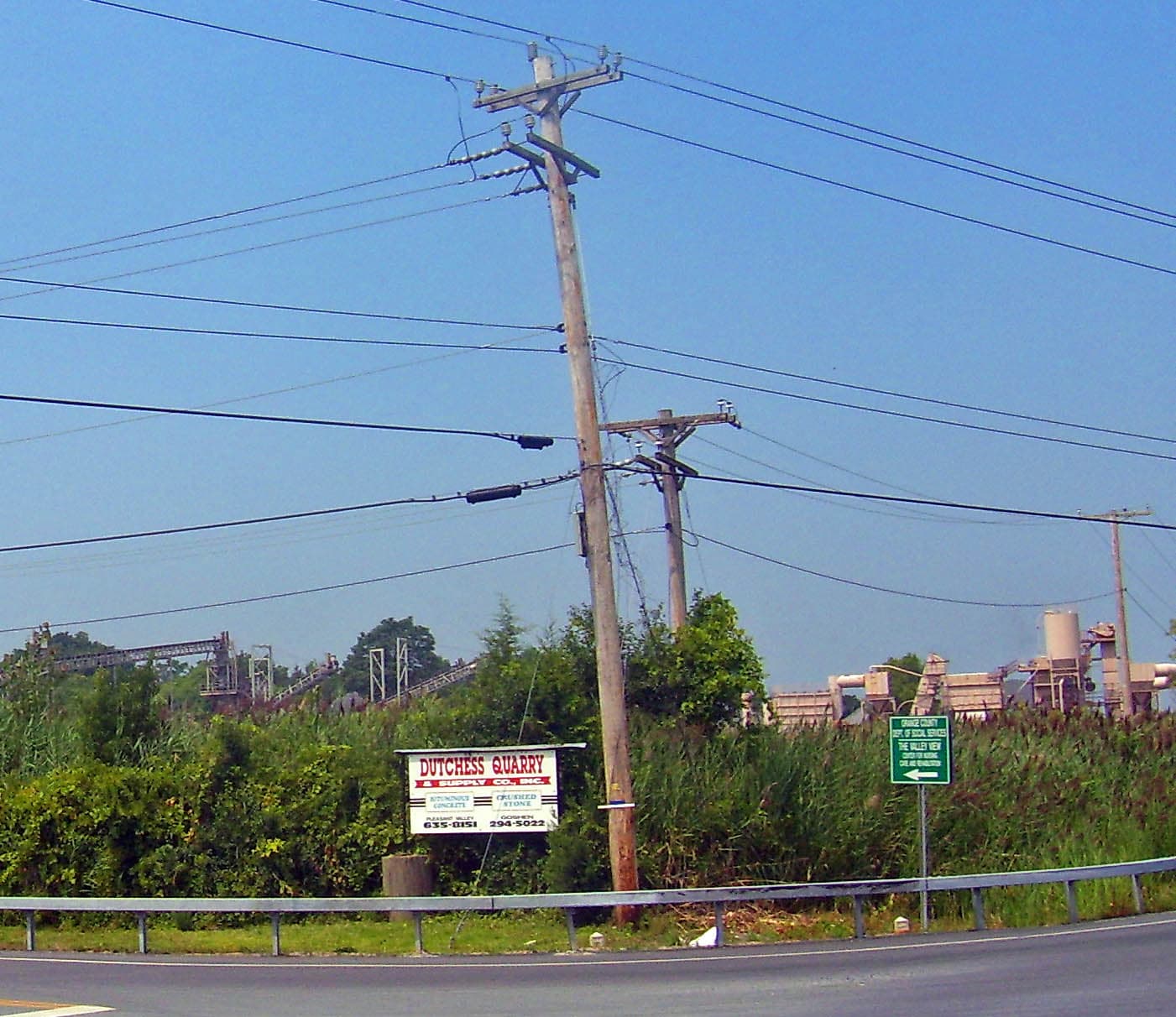
By Dec. 15, 2020, Orange County was set to form a 10-member committee to oversee the future protection and promotion of the Ice Age-era caves after the controversial decision to sell county-owned land next to the site for expanded mining. That move shows how preservation policy often gets made in Orange County: through committees, land decisions, and competing public priorities rather than through a single vote or a single agency.
The Town of Goshen also entered the picture earlier that June, when the Town Board voted to buy quarry land with the intention of limiting the expansion of Tilcon mining and protecting a cave that has shown evidence of ancient human archaeological activity. That local action is one of the clearest examples of how the Dutchess Quarry Sites affect today’s Orange County. The site is not frozen in time; it sits inside active debates over land ownership, extraction, and preservation.
For readers in Goshen and elsewhere in the county, those decisions matter because they shape whether the caves remain available for study and public interpretation, or whether surrounding land use erodes the context that makes them scientifically important.
How the site reaches the public
The Dutchess Quarry Caves are not only preserved through official documents and county committees. Public programming has helped turn them into something residents can understand and discuss. A Chester Historical Society program described the caves as a paleolithic site preserved by natural factors for 10,000 years, and Mary Altobelli led an interactive discussion on how to preserve the Dutchess Quarry Caves. That kind of local presentation is important because it connects a specialized archaeological district to a community audience in Chester, Goshen, and beyond.
- Lookout Mountain in Goshen, where the caves are physically rooted in the landscape
- Orange County Department of Planning materials, which document the district’s geology and archaeology
- Chester Historical Society programming, which translates the site for a local audience
- County and town land-use decisions, which determine whether the site remains protected
For Orange County residents, the easiest way to experience the site’s significance is through the places where it still shows up in public life:
The Dutchess Quarry Sites are valuable because they make a long county story visible at ground level. They connect glaciers, early people, quarrying, preservation, and present-day public policy in one place, and that makes them one of Orange County’s most instructive outdoor classrooms.
This article was produced by Prism’s automated news system from verified source data, official records, and press releases, then run through automated quality and moderation checks before publishing. The system is built and supervised by the people who set the standards it runs under. Read our full AI policy.
Did this article answer your question?