Food bank fuel costs jump 54 percent, squeezing pantry deliveries
Fuel bills for Regional Food Bank trucks are up 54%, forcing tougher delivery choices for Orange County pantries already serving a county with 11.3% food insecurity.
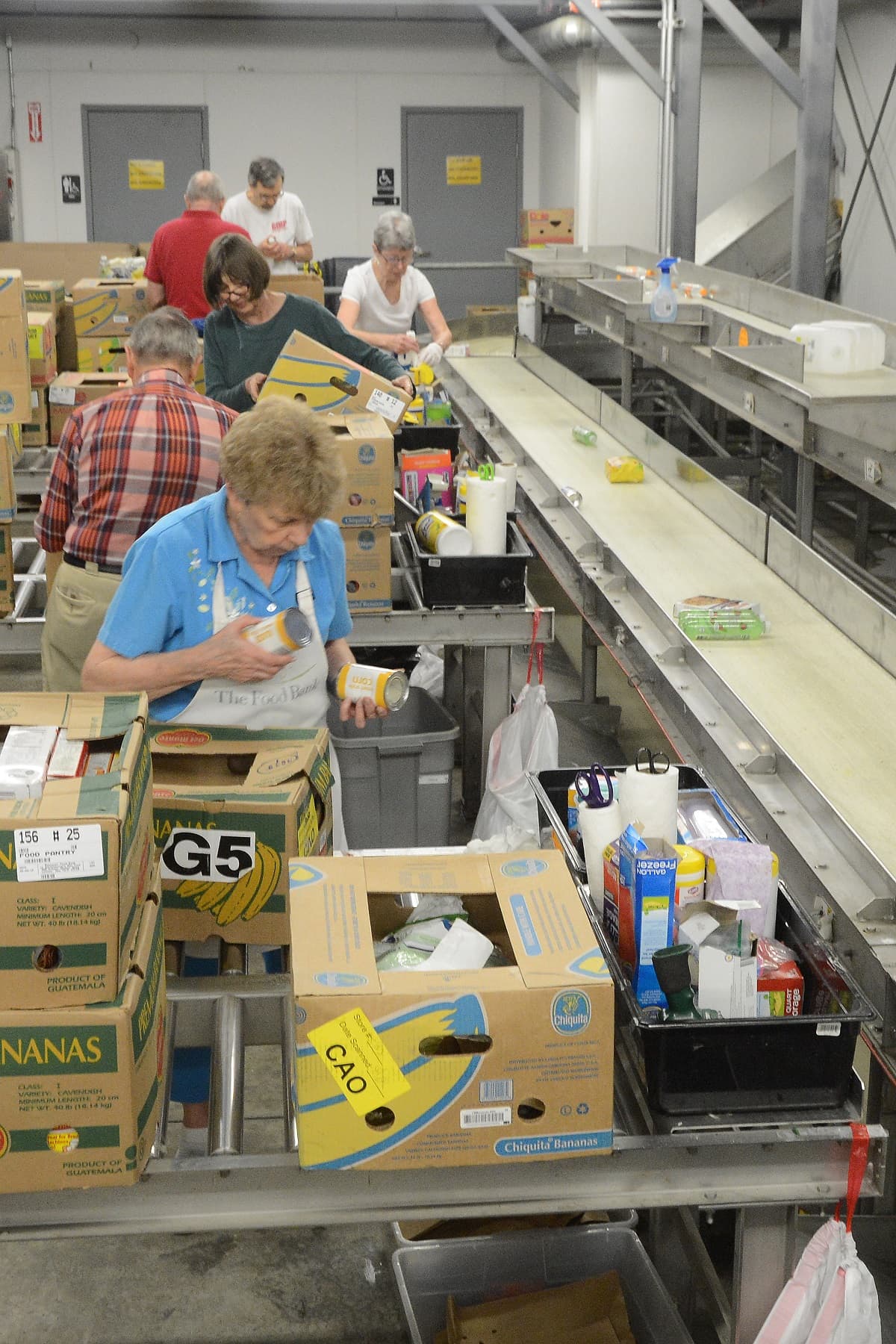
Orange County pantries are getting squeezed as the Regional Food Bank of Northeastern New York says truck fuel costs have climbed 54 percent, cutting into the food and emergency supplies it can move across its 23-county network.
Taj Plante, the food bank’s vice president of operations, said the spike has been driven by tariffs and, more recently, instability tied to the war in Iran and the blockade of the Strait of Hormuz. The organization, based in Montgomery, said the added fuel bill is already limiting how much food can reach local pantries and community partners.
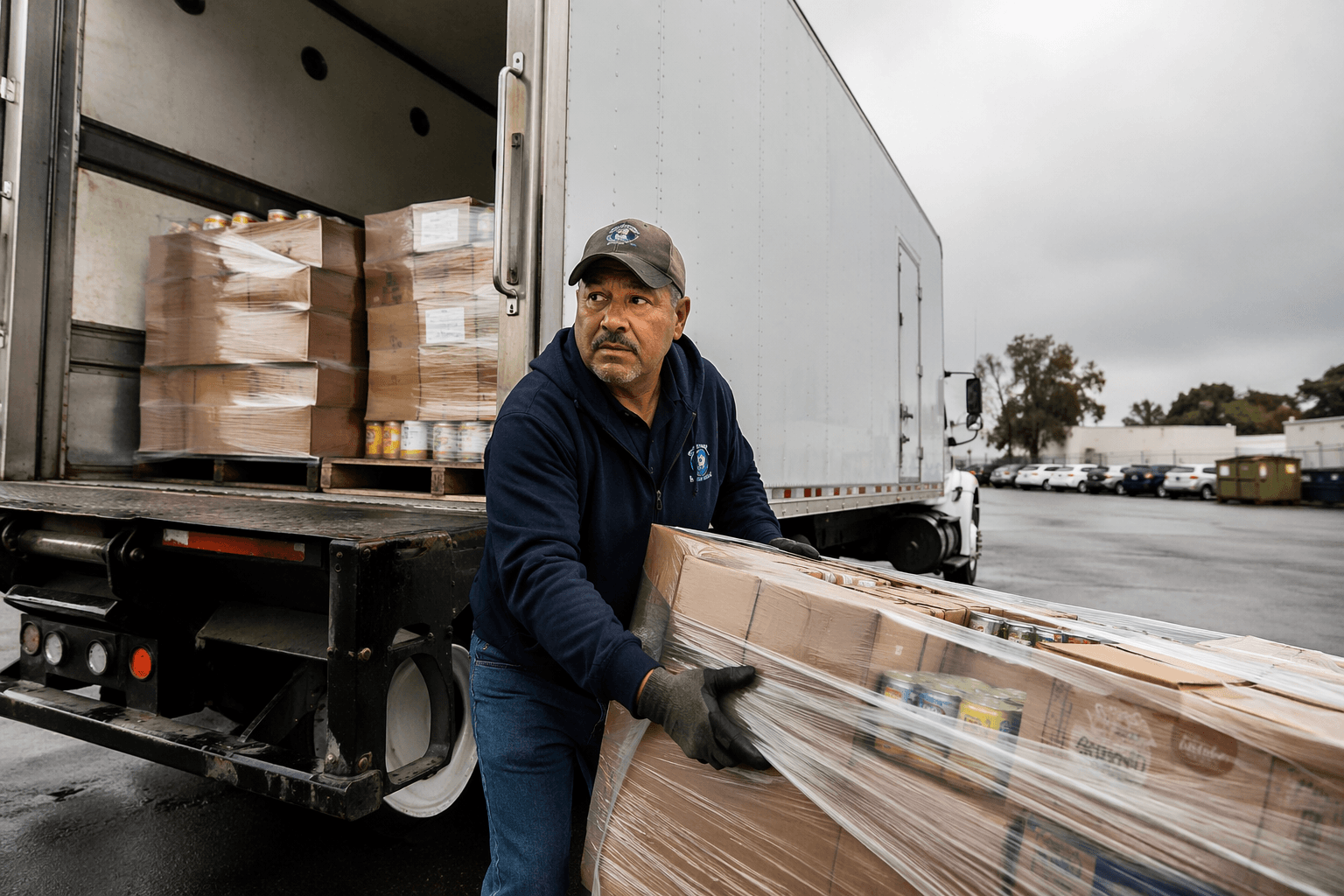
The numbers show why the hit matters. The Regional Food Bank says it distributes donated food to nearly 1,000 charitable agencies and helps feed more than 355,000 people each month. Plante said the money now going into gas tanks could otherwise have delivered the equivalent of roughly 30,000 meals. For a network that depends on trucks to move inventory, one extra round trip can mean fewer pantry shelves stocked with food, medicine and other essentials.

Orange County is part of that service area, and the food bank lists partner agencies in Middletown, Newburgh, Port Jervis, Goshen, Warwick and other communities. Feeding America’s Map the Meal Gap data puts Orange County’s food insecurity rate at 11.3 percent in 2023, underscoring how quickly higher transportation costs can reach families already stretched by rent, groceries and utilities. A separate local report found that one in nine people in the food bank’s 23-county territory were food insecure.
The broader state picture is just as tight. New York’s Hunger Prevention and Nutrition Assistance Program says about 400 million emergency meals are provided each year through more than 2,700 emergency food providers statewide. HPNAP directly funds 44 organizations, including the state’s 10 regional food banks, and the New York State Department of Health says annual assessments must track changing economic indicators such as the average cost per meal.
The United Nations has warned that disruptions in the Strait of Hormuz can threaten fuel, freight, fertilizer and food prices, a global pressure point now landing squarely on a local hunger network. For Orange County families relying on food-bank deliveries, the risk is straightforward: higher fuel costs can mean thinner inventories, fewer pantry runs and tougher choices about who gets what, and when.
This article was produced by Prism’s automated news system from verified source data, official records, and press releases, then run through automated quality and moderation checks before publishing. The system is built and supervised by the people who set the standards it runs under. Read our full AI policy.
Did this article answer your question?