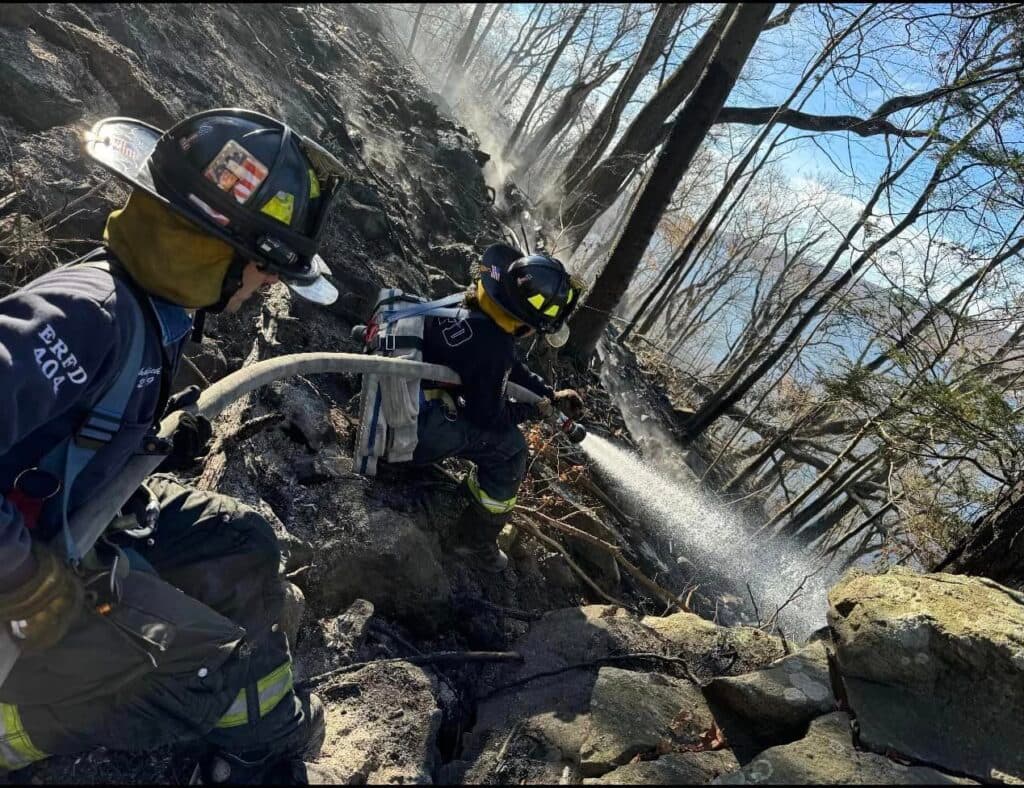
Hudson River Sweep draws volunteers to Newburgh shoreline cleanup sites
Volunteers cleaned Muchattoes Lake and Ward Brothers Memorial Park as Riverkeeper’s sweep hit 100 Hudson sites, adding to a tally of more than 400 tons of debris.

Volunteers pulled garbage and invasive plants from two Newburgh shoreline sites on Saturday, turning Muchattoes Lake and Ward Brothers Memorial Park into the city’s local front line in Riverkeeper’s 15th annual Hudson River Sweep.
Across the Hudson Valley, volunteers fanned out to 100 cleanup sites along the river. That was slightly fewer than the 114 sites that took part last year, but the annual effort has grown into a measurable campaign since it began in 2012 with 70 cleanup sites and hundreds of volunteers. Riverkeeper says the sweep has since removed more than 400 tons of debris from Hudson River shorelines and planted or maintained more than 11,000 native plants. The organization also extends the work beyond the annual day of service through Sweep+ events held year-round from New York City to the Adirondacks.
In Newburgh, the Muchattoes Lake cleanup was scheduled from 9 a.m. to noon at the north end of the lake, 51 Lake Drive. The effort was organized by the Quassaick Creek Watershed Alliance with help from student volunteers from Mount Saint Mary College, and it lined up with Bio Blitz, a community effort to catalog plants and animals in Newburgh green spaces. A Mount Saint Mary chemistry professor said the cleanup connected students with the broader community, a reminder that environmental work here doubles as civic learning as well as hands-on repair.
Muchattoes Lake sits in a watershed that reaches well beyond one neighborhood. The Quassaick Creek watershed covers portions of five municipalities in two counties, and the creek runs through the Town of Newburgh before forming part of the line between the City of Newburgh and the Town of New Windsor. It then enters the Hudson River just south of Newburgh’s waterfront, which makes the lake and creek part of the same pollution pathway that eventually reaches the river.
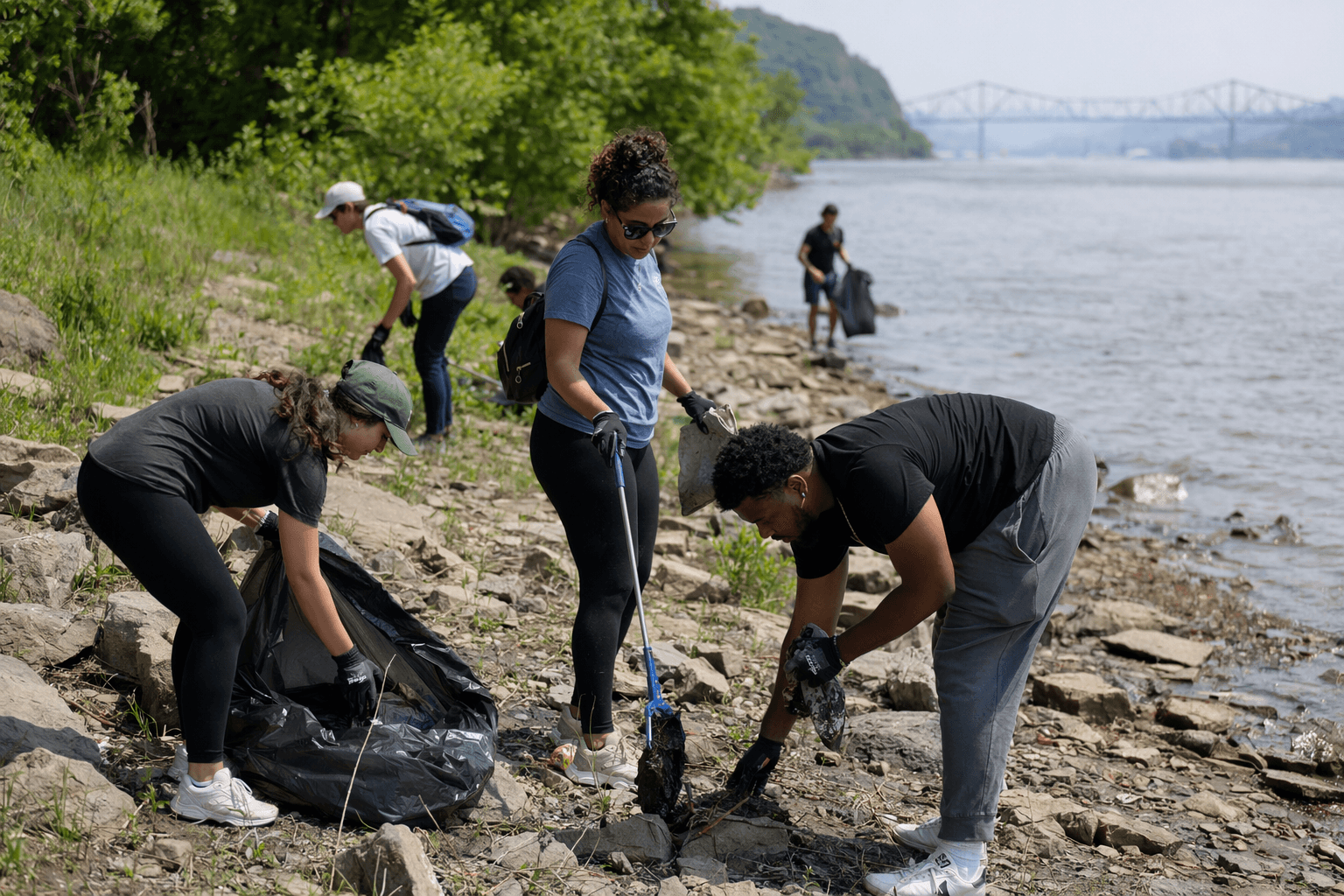
At Ward Brothers Memorial Park, volunteers organized by the Greater Newburgh Parks Conservancy and the Newburgh Waterways Center removed garbage and invasive plants from the waterfront. Many of the people working there were rowers who regularly use the boathouse, a sign that the shoreline is not just scenery but everyday public space. The park cleanup also tied into trash pickup, pollinator plant care and environmental justice training listed for the site.
For Newburgh, the sweep made the costs of shoreline neglect visible and local. The same public edges that support rowing, walking and water access also absorb the litter and invasive growth that keep returning to the city’s waterfront.
This article was produced by Prism’s automated news system from verified source data, official records, and press releases, then run through automated quality and moderation checks before publishing. The system is built and supervised by the people who set the standards it runs under. Read our full AI policy.
Did this article answer your question?