MTA Fare Overhaul Raises Prices and Rewrites Ticketing Rules
The Metropolitan Transportation Authority implemented a broad fare increase and ticketing policy overhaul that took effect Jan. 4, 2026, changing pricing across Metro-North, the Long Island Rail Road, subway services, and MTA bridges and tunnels. Orange County commuters who use Metro-North, Stewart-area connections, or drive across regional crossings face higher costs and new digital-only ticketing rules that will alter budgeting and trip planning.
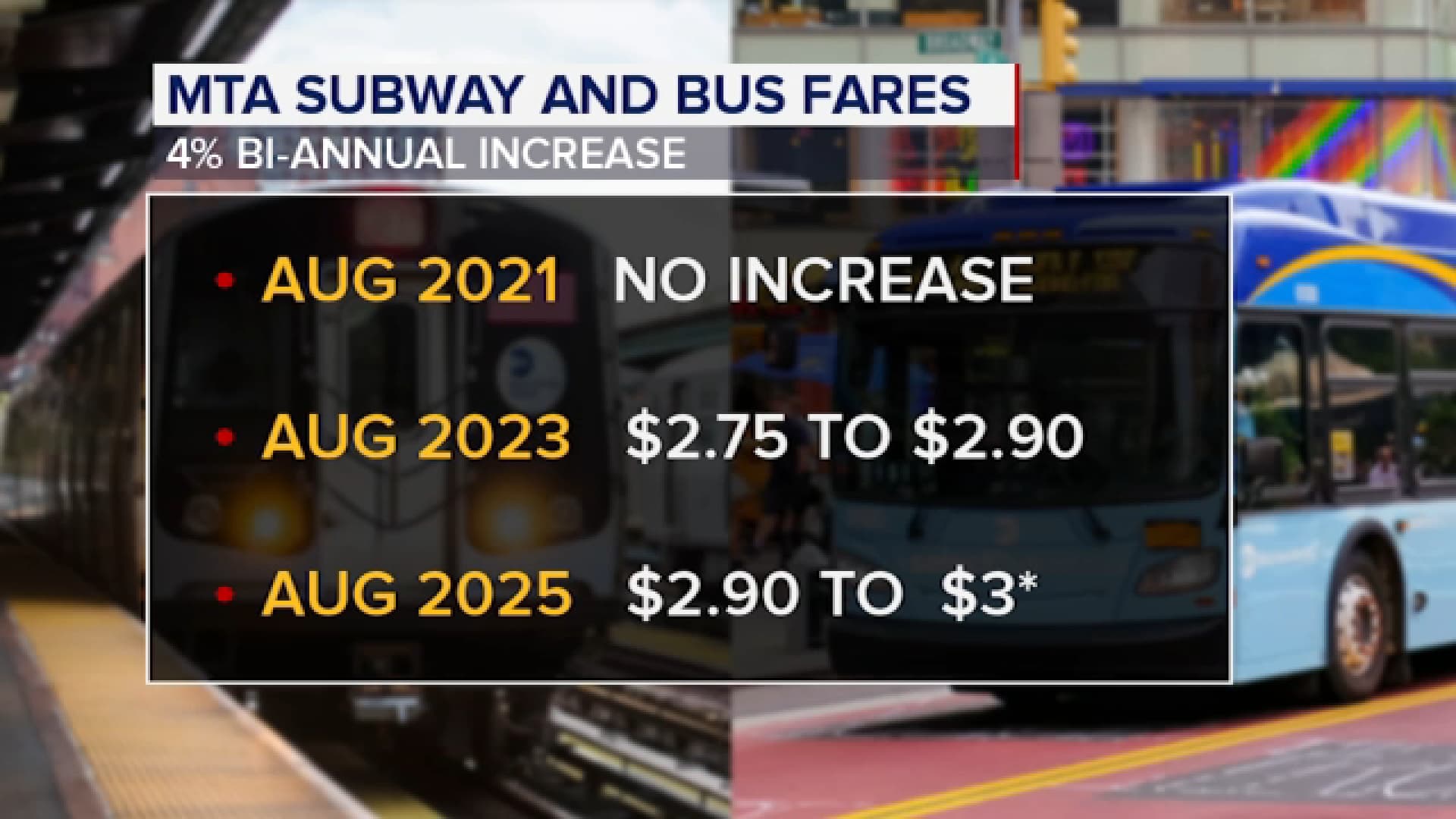
The MTA put into effect sweeping fare and policy changes on Jan. 4, 2026, including headline increases in ticket prices, elimination of several legacy ticket types, and higher tolls on MTA-controlled bridges and tunnels. The package affects riders across the region and introduces new digital incentives while removing some paper options.
Under the new structure, some monthly Long Island Rail Road fares rose by roughly 4.5 percent, with a cap designed so that no monthly ticket exceeds $500. Other ticket categories saw increases of up to 8 percent. Round-trip paper tickets were eliminated and replaced by a new Day Pass product that is valid until 4 a.m. the following day. One-way tickets will now expire at 4 a.m. the day after purchase, changing the effective window for late-night returns and multi-leg travel.
The longstanding 10-trip paper ticket has been retired in favor of a mobile-based pay-as-you-go discount system. Under that system, after a mobile user completes 10 comparable trips within a 14-day period, the 11th comparable trip is free. The change shifts incentives toward app-based payment while increasing onboard and TrainTime purchase surcharges. Reduced-fare and family-fare rules were also updated as part of the overhaul. On top of transit fare adjustments, tolls on MTA bridges and tunnels rose by 7.5 percent, increasing costs for drivers and commercial vehicles that rely on those crossings.
Local implications for Orange County are practical and immediate. Commuters who travel south to Poughkeepsie, New York City, or use Stewart-area transit links to connect with Metro-North need to reassess monthly budgets or consider changing ticketing patterns. The $500 cap provides a ceiling for heavy monthly pass purchasers, but occasional travelers may find their costs higher without the 10-trip paper option. Late-shift workers and travelers who return after midnight should note the 4 a.m. expiration on one-way fares and Day Passes to avoid unplanned fines or repeat fares.

The move toward mobile-only benefits may deliver savings for frequent, digitally connected riders but raises equity concerns for passengers without smartphones or reliable internet access. Higher onboard surcharges disproportionately affect those who cannot purchase tickets in advance. The 7.5 percent toll increase will ripple through local delivery costs and commuter driving expenses, with potential secondary effects on traffic patterns and demand for rail alternatives.
Riders are advised to review the MTA’s detailed fare media listings and Day Pass pricing, update commuter budgets, and adjust ticketing practices to align with the new mobile-based discounts and time limits.
This article was produced by Prism’s automated news system from verified source data, official records, and press releases, then run through automated quality and moderation checks before publishing. The system is built and supervised by the people who set the standards it runs under. Read our full AI policy.
Did this article answer your question?