New York bill would curb ghost jobs, add hiring transparency
A Newburgh Democrat’s bill would force real hiring disclosures and pull filled ads within two weeks, a push to cut ghost jobs across Orange County.
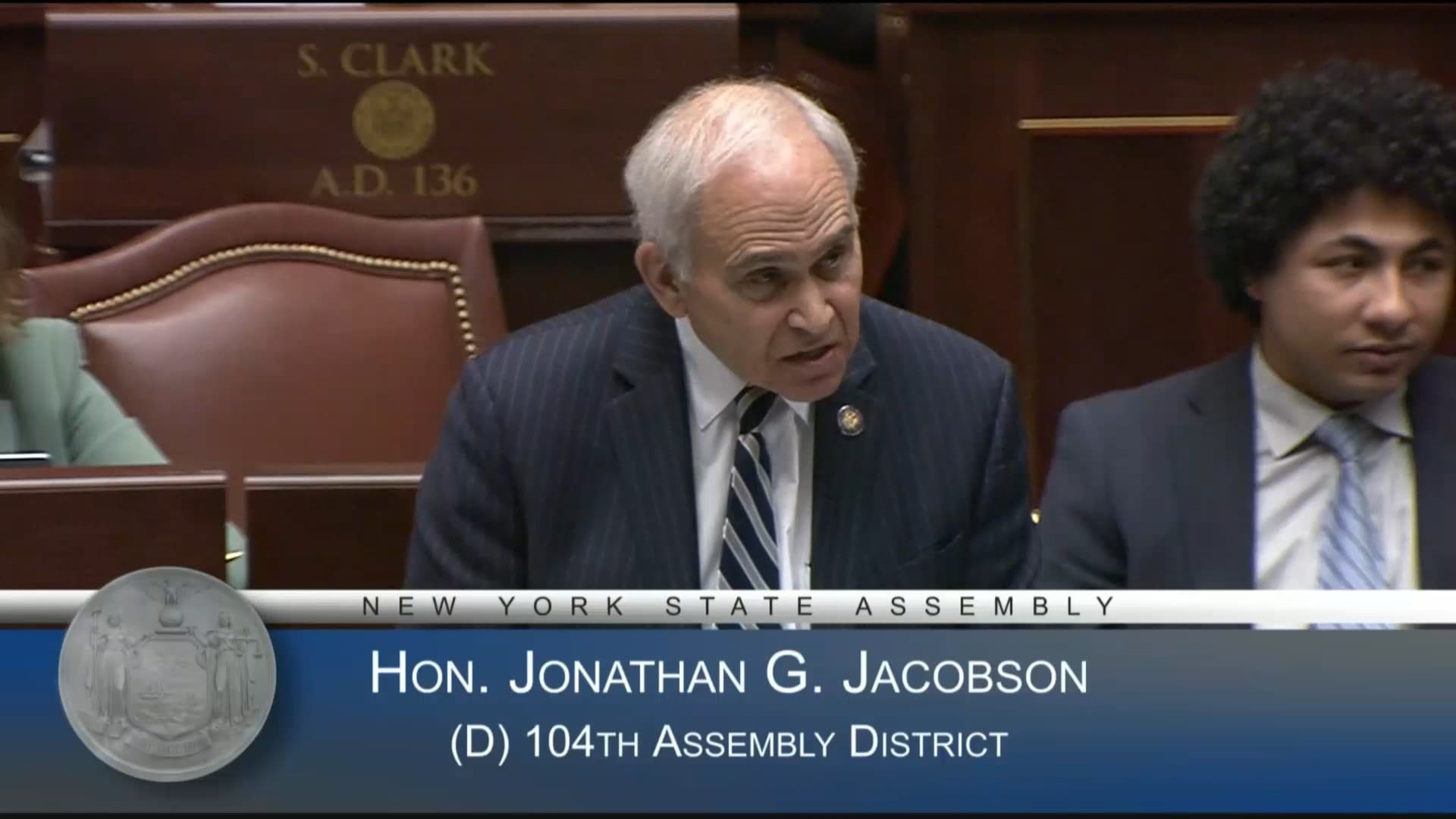
A bill sponsored by Assemblymember Jonathan Jacobson, a Newburgh Democrat, passed both houses of the New York State Legislature and went to the governor’s desk on June 21. The measure targets so-called ghost jobs, listings that may not be open or may exist only to collect résumés, a problem that hits Orange County job seekers every time they sort through office, healthcare and retail postings.
Under the proposal, large employers and job-posting platforms would have to disclose whether an opening is actively being filled. They would also have to remove a listing within two weeks after the role is filled. The legislation would impose fines starting at $2,500 per posting for violations, making it one of the state’s sharper efforts to force honesty in online recruiting.
For workers in Newburgh, Middletown and the rest of Orange County, the stakes are practical. Online listings now shape how many people look for work across the Hudson Valley, and stale or misleading ads can send applicants through repeated rounds of applications, follow-up emails and interview prep for jobs that were never truly available. Jacobson said the bill was intended to stop job seekers from wasting time on positions that do not really exist.

The legislature’s move also reflects a broader shift in Albany toward regulating hiring transparency, much like wage disclosure and workplace rules. Supporters see ghost-job crackdowns as a way to make labor-market data more trustworthy and to restore confidence among applicants who increasingly doubt whether a posting reflects a real opening. In Orange County, where many residents commute across county lines or search for work beyond their home town, clearer posting rules could help separate active hiring from dead listings.
Employers, however, warned that the measure could create compliance burdens and be difficult to enforce. That tension is likely to shape how local businesses interpret the bill, whether as a basic accountability measure for public job ads or as another layer of red tape for companies already struggling to hire.
This article was produced by Prism’s automated news system from verified source data, official records, and press releases, then run through automated quality and moderation checks before publishing. The system is built and supervised by the people who set the standards it runs under. Read our full AI policy.
Know something we missed? Have a correction or additional information?
Submit a Tip