New York lawmakers consider public takeover of Central Hudson utility
Orange County ratepayers could be shifted from Central Hudson to a public power authority as lawmakers weigh a takeover bill after billing and safety failures.

A bill that would dissolve Central Hudson Gas & Electric and replace it with a Hudson Valley public power authority is still moving through the New York State Senate, keeping Orange County ratepayers in the middle of a fight over bills, outages and local control. Senate bill S2026, sponsored by Sen. Michelle Hinchey, would create the Hudson Valley Power Authority and authorize it to acquire Central Hudson’s assets.
The measure says the new authority would be built around low rates, reliable service, understandable bills, clean energy, community benefits and environmental justice. Senate records show it was first referred on Jan. 15, 2025, amended and recommitted on July 30, 2025, and referred again on Jan. 7, 2026, which means the proposal remains in committee and has not become law.
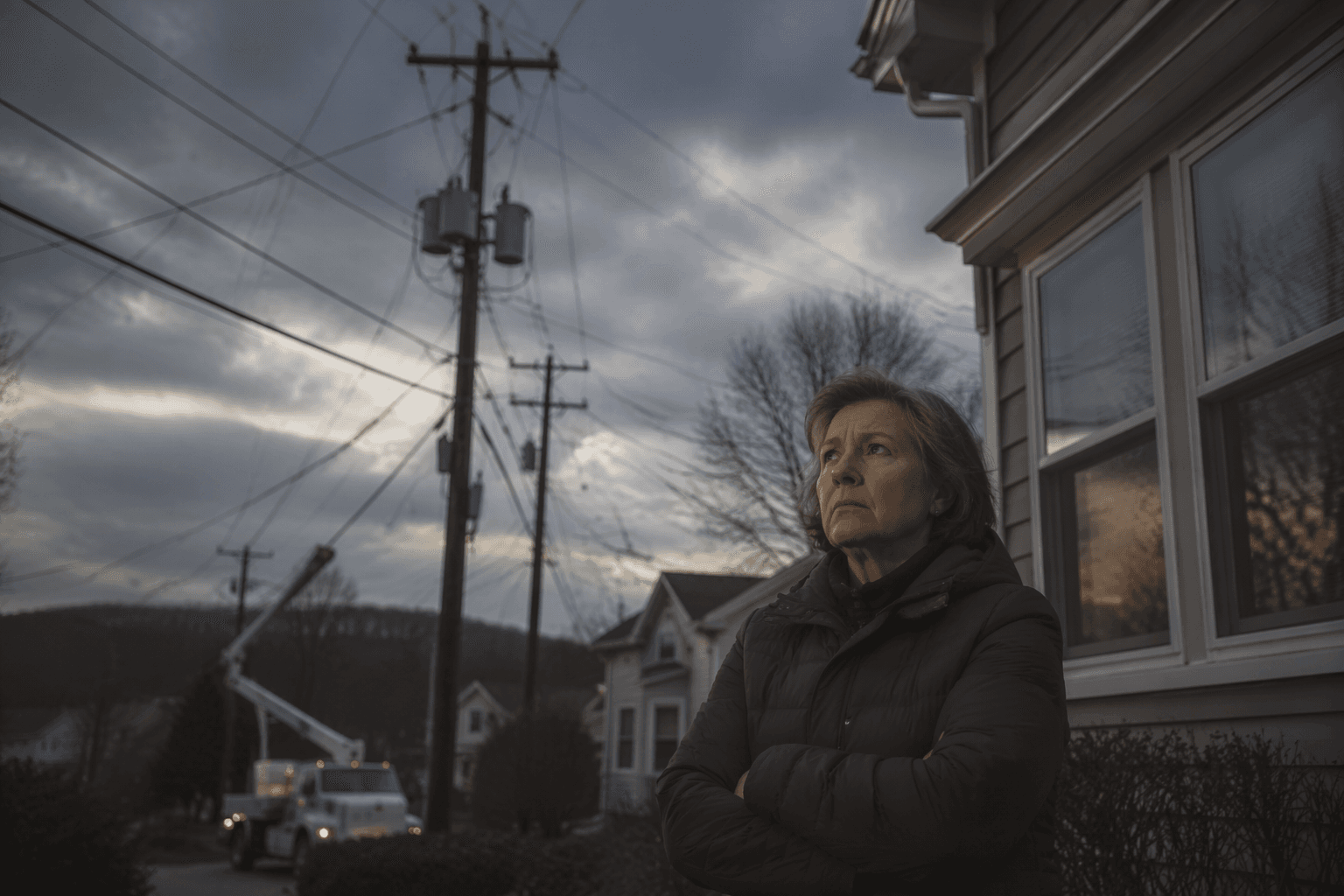
For Orange County households and businesses, the stakes are immediate because Central Hudson serves about 315,000 electric customers and 90,000 natural gas customers across eight Mid-Hudson Valley counties, including parts of Orange County, in a territory of roughly 2,600 square miles. That footprint reaches homes, schools, hospitals and municipal buildings, and it helps explain why the debate has moved beyond Albany jargon into a question of what residents pay each month and how quickly crews respond when lines fail.
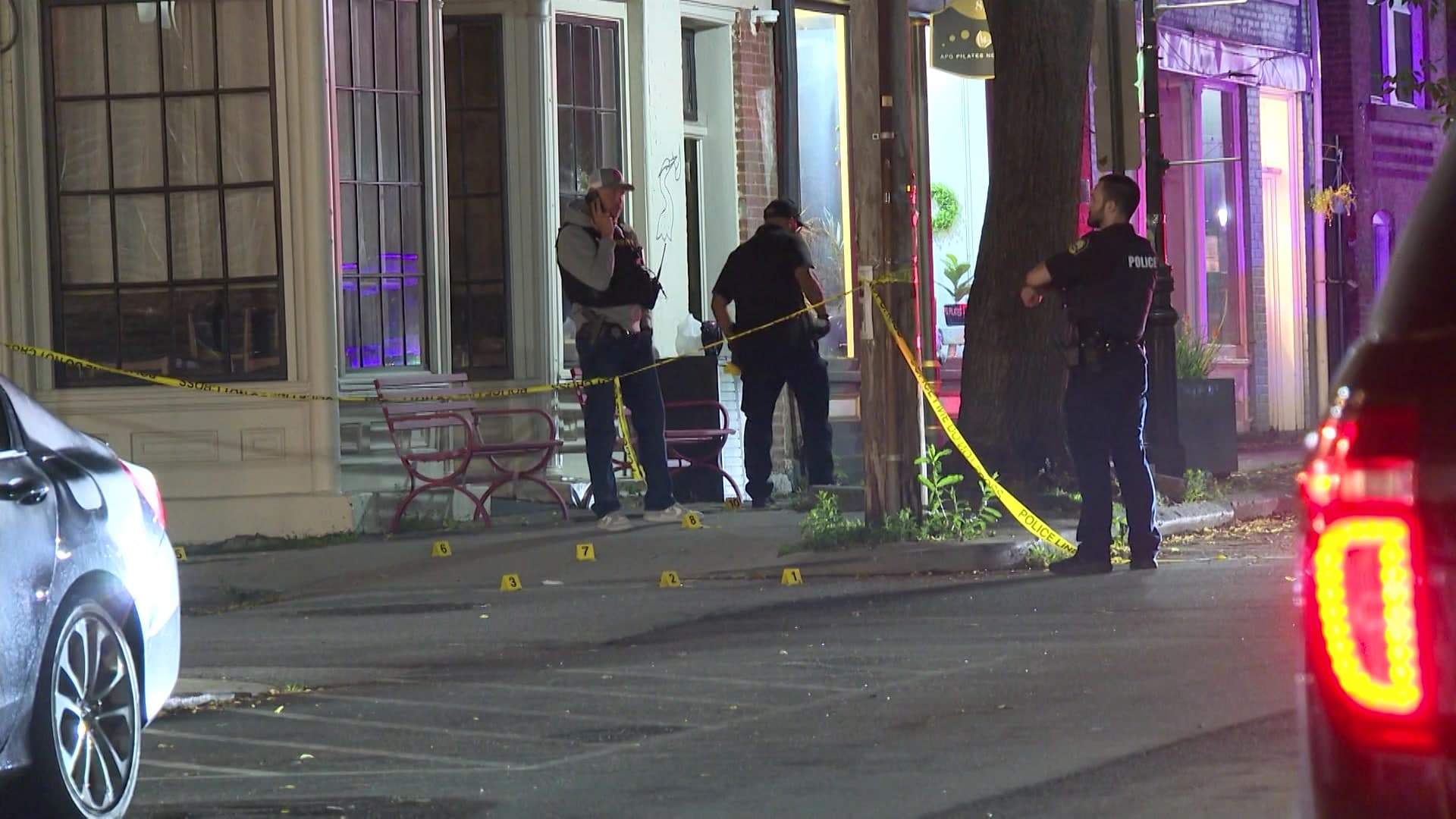
The utility’s recent record has given the proposal added fuel. On June 20, 2024, the New York State Public Service Commission approved a $62.59 million settlement over Central Hudson’s billing-system failures, with the company and regulators saying the billing problems had been resolved. The PSC then approved a three-year rate plan on Aug. 14, 2025, effective Sept. 1, 2025, that would raise the average residential electric bill by about $5.43 a month in the first year. In August 2025, the commission also announced a $5 million penalty tied to safety failures surrounding the November 2023 gas explosion at 7 Brick Row in Wappingers Falls, which injured 10 people and damaged nearby residences.
Supporters have used those episodes to argue that a public authority could put decisions closer to the communities that rely on the system. Sarahana Shrestha discussed the Hudson Valley Power Authority Act at a New Paltz teach-in in November 2024, and Kingston’s Common Council adopted a resolution on Feb. 4, 2025, supporting the proposal. The bill also refers to creating energy observatory corporations to study and help enable community governance of power authorities.
The unanswered questions are the ones that would matter most to Orange County ratepayers if the Legislature ever pushed the measure forward: who would run the authority, how Central Hudson’s debt and infrastructure would be transferred, what would happen to workers, and whether a public model would actually improve outage response, restore trust in billing or simply shift the risks into a new public bureaucracy.
This article was produced by Prism’s automated news system from verified source data, official records, and press releases, then run through automated quality and moderation checks before publishing. The system is built and supervised by the people who set the standards it runs under. Read our full AI policy.
Did this article answer your question?