Newburgh charter debate turns to who should shape city’s future
More than two dozen residents backed a charter review, but the deeper fight in Newburgh is over who gets a seat at the table and who does not.
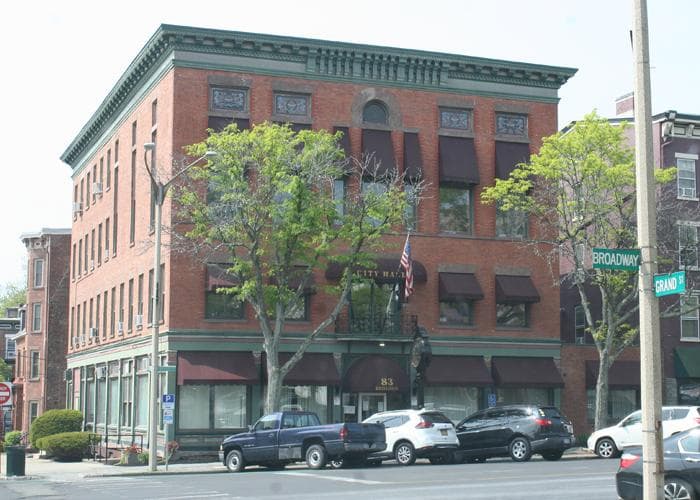
More than two dozen residents told the Newburgh City Council on May 12 that the city needs a charter review commission, but the sharper argument was over who would get to shape it. Speakers said the current system has not served Newburgh well, and many tied the push for change to representation, transparency and trust in a city that has used a council-manager form of government since 1917.
That system gives Newburgh a part-time council, including the mayor, and a full-time city manager who runs day-to-day operations. The city says the model was strengthened in the 2011 charter review, when voters approved amendments that created the ward system and a districting commission and set procedures for selecting and removing the city manager and interim city manager. Supporters of another review say those changes did not settle the larger question of whether the structure still fits a city with seven council members, four wards, two at-large seats and a ceremonial mayor.

In the room, the debate kept returning to inclusion. Several residents and council members said any new commission should reflect Newburgh’s minority population, and the discussion landed in a city council that is already largely made up of Black and brown elected officials: Mayor Torrance Harvey, Giselle Martinez, Ramona Monteverde, Tamika E. Stewart, Ronald Zorrilla, Omari Shakur and Robert McLymore, Sr. Shakur made the most forceful case for change, linking the charter fight to racial representation and Newburgh’s political history. Critics of the existing structure also pointed to former City Manager Todd Venning, whose resignation was effective March 31, 2026, as an example of why the city needs a different balance of power.
The proposal now under discussion would create a nine-member charter review commission selected by the council. Under the draft local law, each council member, including the mayor, would choose one commissioner and two more members would be appointed by majority vote of the council. If the law passes, any charter amendments would go to voters at the next general election. That design matters to residents who want the process to feel open, not controlled from City Hall.
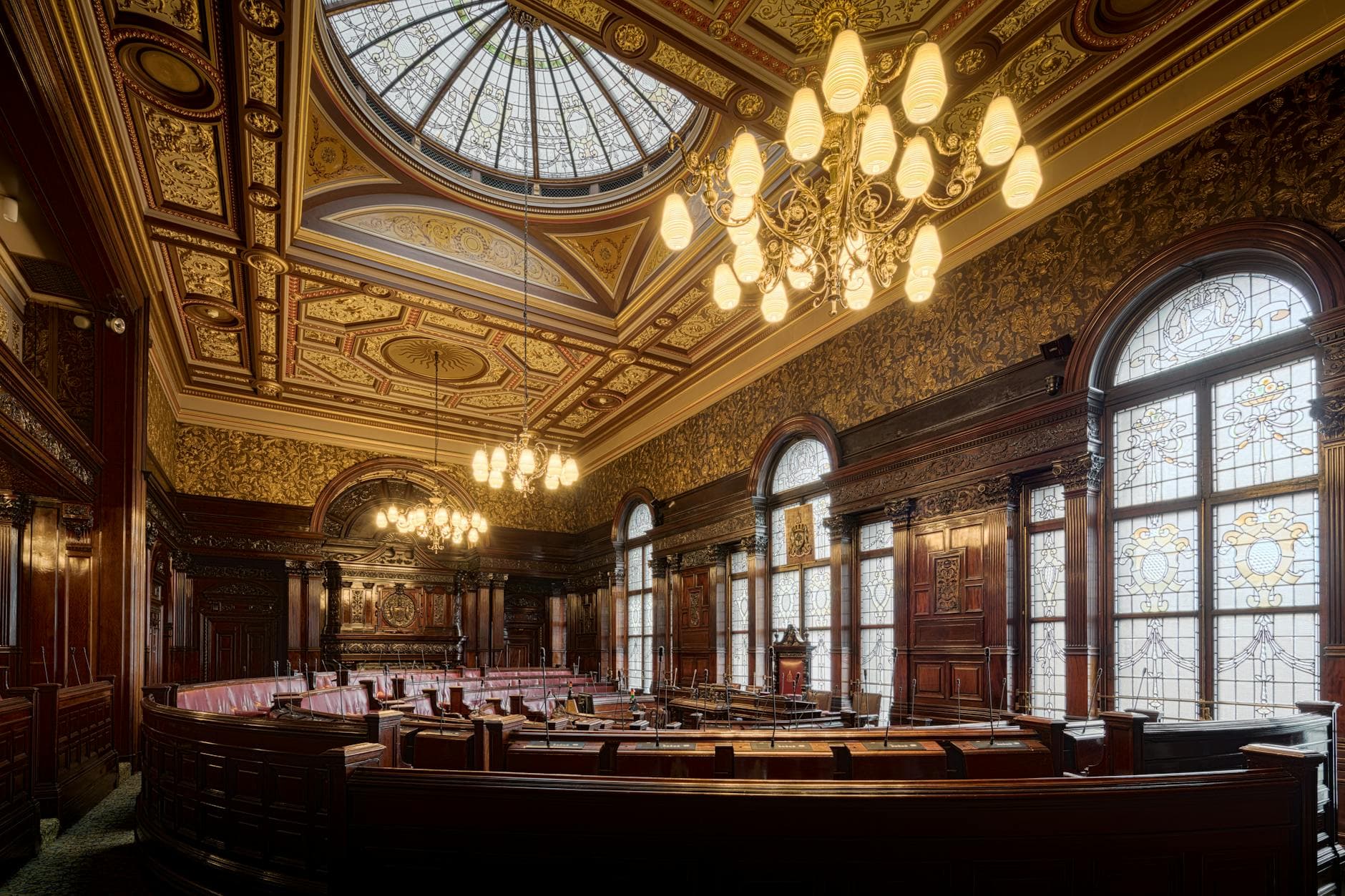
Newburgh has done this before. A previous charter review commission appointed by Mayor Nicholas Valentine included 11 resident citizens and one alternate member, and the 2010-11 review reshaped city government in ways that still define it today. The city’s own government structure also makes the stakes clearer: Newburgh City Court is separate from city government and run by three judges under state law, and the Newburgh Enlarged City School District has its own nine-member board. For residents pressing for reform, the charter debate is not just about one administrator or one meeting. It is about who gets to write the rules for Newburgh’s future, and whether the public trusts the people chosen to do it.
This article was produced by Prism’s automated news system from verified source data, official records, and press releases, then run through automated quality and moderation checks before publishing. The system is built and supervised by the people who set the standards it runs under. Read our full AI policy.
Did this article answer your question?