Newburgh charter review draws support, but council delays vote
Newburgh residents backed a charter review by 26-1, but the council left the power struggle unresolved after Harvey and McLymore pushed for a November vote.
Newburgh’s charter fight moved from a policy debate to a question of who gets to control the machinery of change, after a public hearing drew 26 speakers and only one voice against creating a commission to review the city’s governing document.
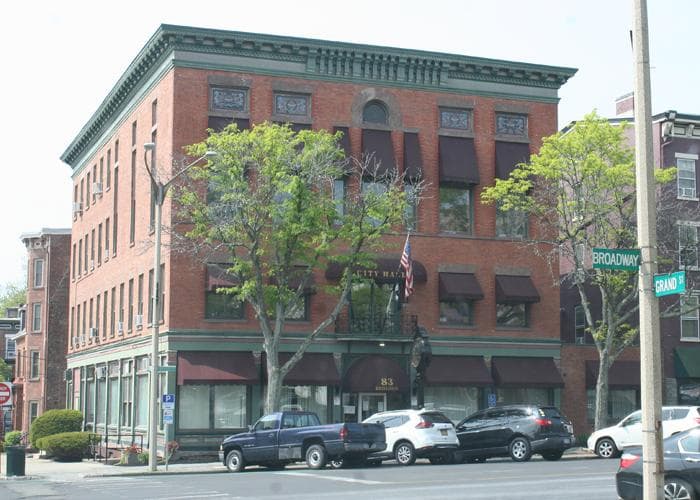
The hearing, held during the City Council meeting on Monday, May 11, 2026, at 7 p.m. in City Hall at 83 Broadway, did not end in a vote. That delay left open the central issue now dividing City Hall: whether the council should act directly on a local law or ask voters to decide on the November ballot.
Mayor Torrance Harvey and council member Robert McLymore said the issue should go to the electorate instead of being handled solely by council action. That would shift the first decision out of the hands of elected officials and into the hands of Newburgh voters, a move that would slow the process but give the commission a stronger public mandate if approved.
The proposal would create a nine-member Charter Review Commission selected by the City Council. City officials say Newburgh has three ways to form such a body: by local law, by voter approval or by mayoral action. For now, the dispute is less about whether the charter deserves another look than about who gets to set the terms of the review.

That question carries real weight in Newburgh, where the city says it has operated under a council-manager form of government since 1917. Under that structure, the mayor has one vote on the council and serves in a ceremonial role, while the city manager holds executive authority. The city also says the 2011 charter review strengthened that system, making the current debate part of a long-running struggle over how power is organized.
The city has been here before. The 2011 Charter Review Commission began meeting in January 2011, met every two weeks in open public sessions and was funded by a New York State Department of State High Priority Local Government Efficiency Grant. That review led to voter-approved changes in November 2011, including a shift from a five-member at-large council to a seven-member body with four ward seats, two at-large seats and the mayor. Commissioners considered a strong-mayor system, but ultimately kept the city-manager model.
That earlier effort followed an unsuccessful 2007 charter revision attempt, underscoring how long Newburgh has wrestled with the structure of its government. This time, the public hearing showed broad support for revisiting the charter, but the council’s refusal to vote made clear that the fight is now over process, transparency and influence, with the next decision likely to determine whether residents or City Hall control the opening move.
This article was produced by Prism’s automated news system from verified source data, official records, and press releases, then run through automated quality and moderation checks before publishing. The system is built and supervised by the people who set the standards it runs under. Read our full AI policy.
Did this article answer your question?