Newburgh councilman backs study of direct rail link to New York City
Newburgh commuters could skip the Hudson-to-Beacon detour if a direct rail study advances. Ronald Zorilla wants the city to join a west-of-Hudson push for New York City service.
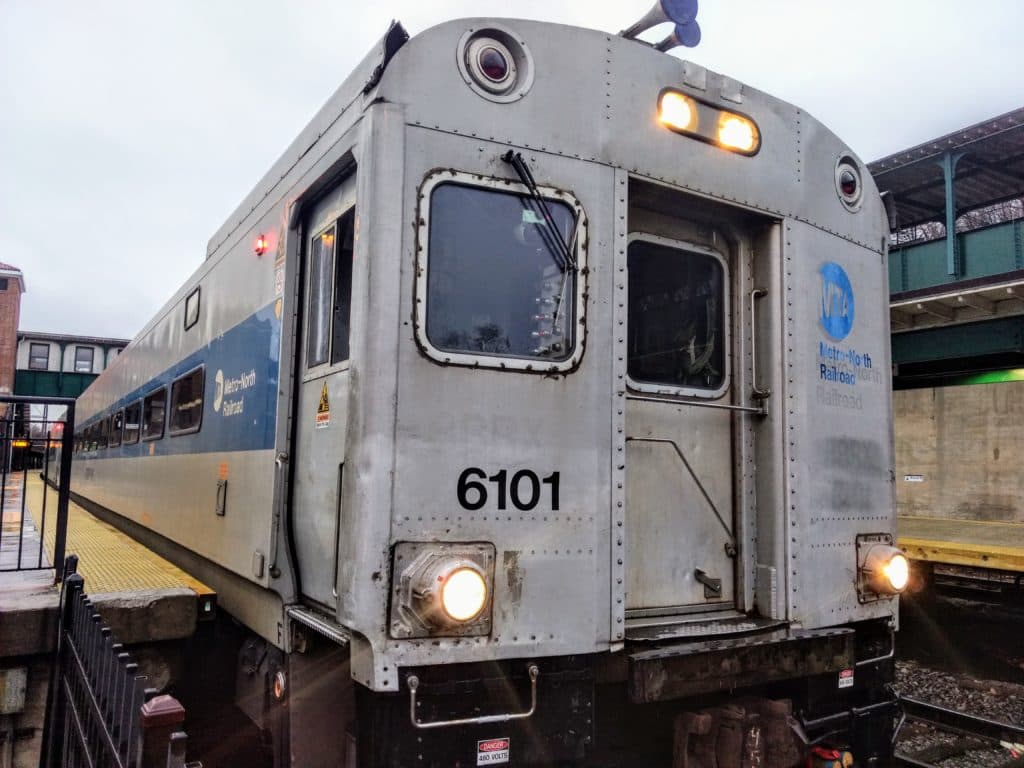
Newburgh commuters could save time, gas and the hassle of crossing the Hudson River to Beacon if a direct rail link to New York City ever moved beyond discussion. That possibility got a new boost when City Councilman Ronald Zorilla backed a full study of the idea and urged Newburgh to join the municipalities supporting All Aboard Hudson Valley’s west-of-Hudson rail effort.
Zorilla’s argument is centered on access. He said residents should not have to leave Newburgh and cross the river just to reach direct rail service, a setup that adds a daily layer of cost and inconvenience for anyone trying to get to jobs in New York City or elsewhere in the region. For a city that sits on Orange County’s eastern edge, the issue is not abstract. It is about whether rail service can be brought closer to where people live, work and shop.
The proposal comes against the backdrop of the existing Port Jervis Line, which already carries riders through Orange County west of the Hudson. Salisbury Mills, roughly eight miles from Newburgh, is the closest stop identified in the discussion, but it still leaves Newburgh without a rail station of its own. Riders who want direct rail access to Manhattan must continue to cross the Hudson first, most commonly to Beacon.
That gap matters well beyond the morning commute. Supporters of the concept see direct rail service as a way to improve job access, strengthen downtown revitalization efforts and give Newburgh a better connection to the New York City labor market. A rail line that served Newburgh directly could also make the city more competitive for employers weighing transportation access for workers and customers.
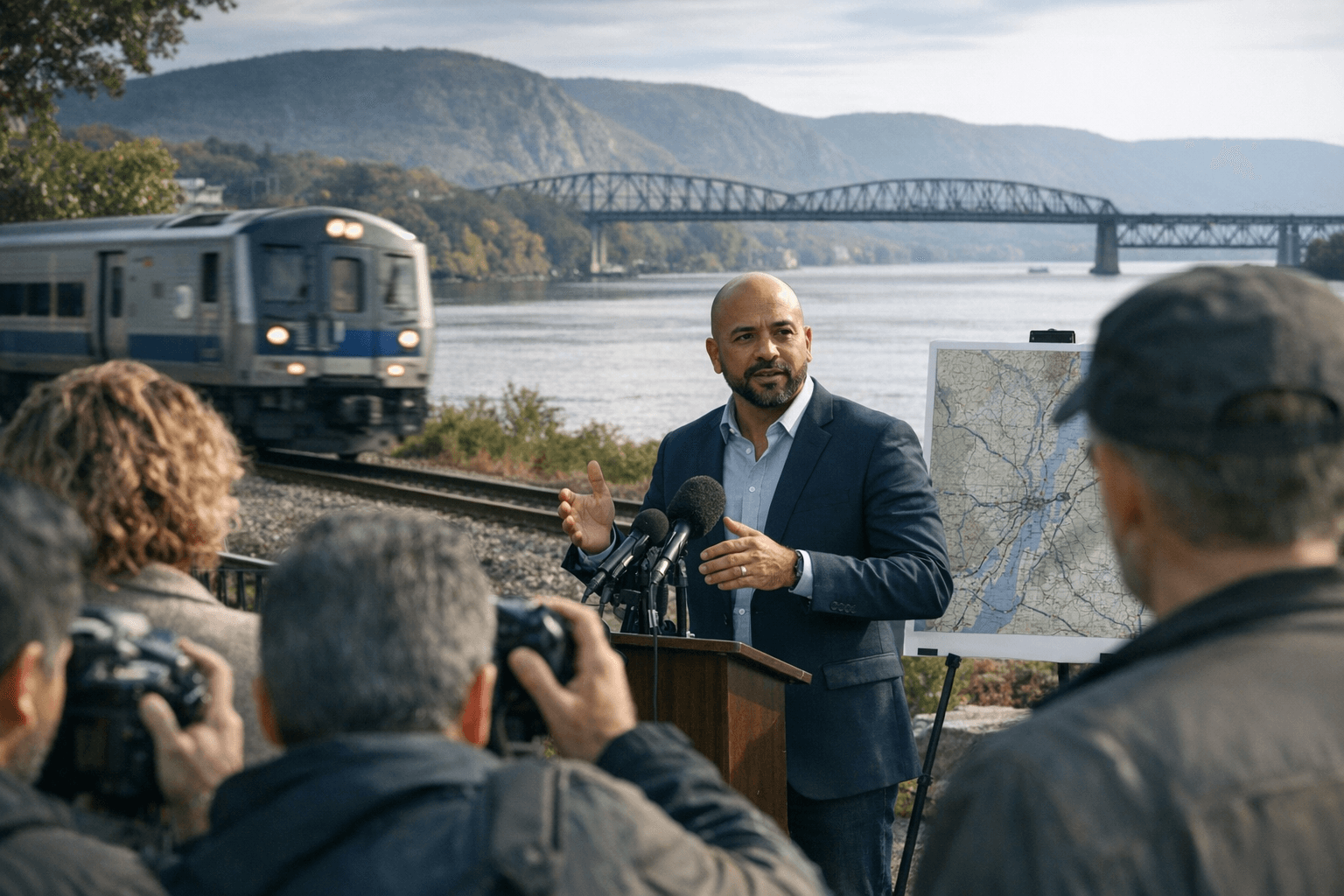
The idea has circulated in the Hudson Valley for years, but Zorilla’s public support helped move it from broad advocacy toward the narrower question of feasibility. A real study would need to address the practical hurdles that have long shadowed west-shore rail proposals, including cost, infrastructure constraints and whether the political will exists to push the concept forward.
For now, the most concrete development is that a Newburgh councilman has placed the city inside the conversation. For residents who face a Hudson River crossing before every train ride, that alone marks a meaningful shift in the regional debate.
This article was produced by Prism’s automated news system from verified source data, official records, and press releases, then run through automated quality and moderation checks before publishing. The system is built and supervised by the people who set the standards it runs under. Read our full AI policy.
Did this article answer your question?