Newburgh's 1890 Dubois Street Church Reopens as The Ellis After Three-Year Renovation
A church abandoned for 30 years on Dubois Street reopened in September 2025 after founders uncovered hidden wood floors, soaring ceilings, and stained glass beneath decades of decay.
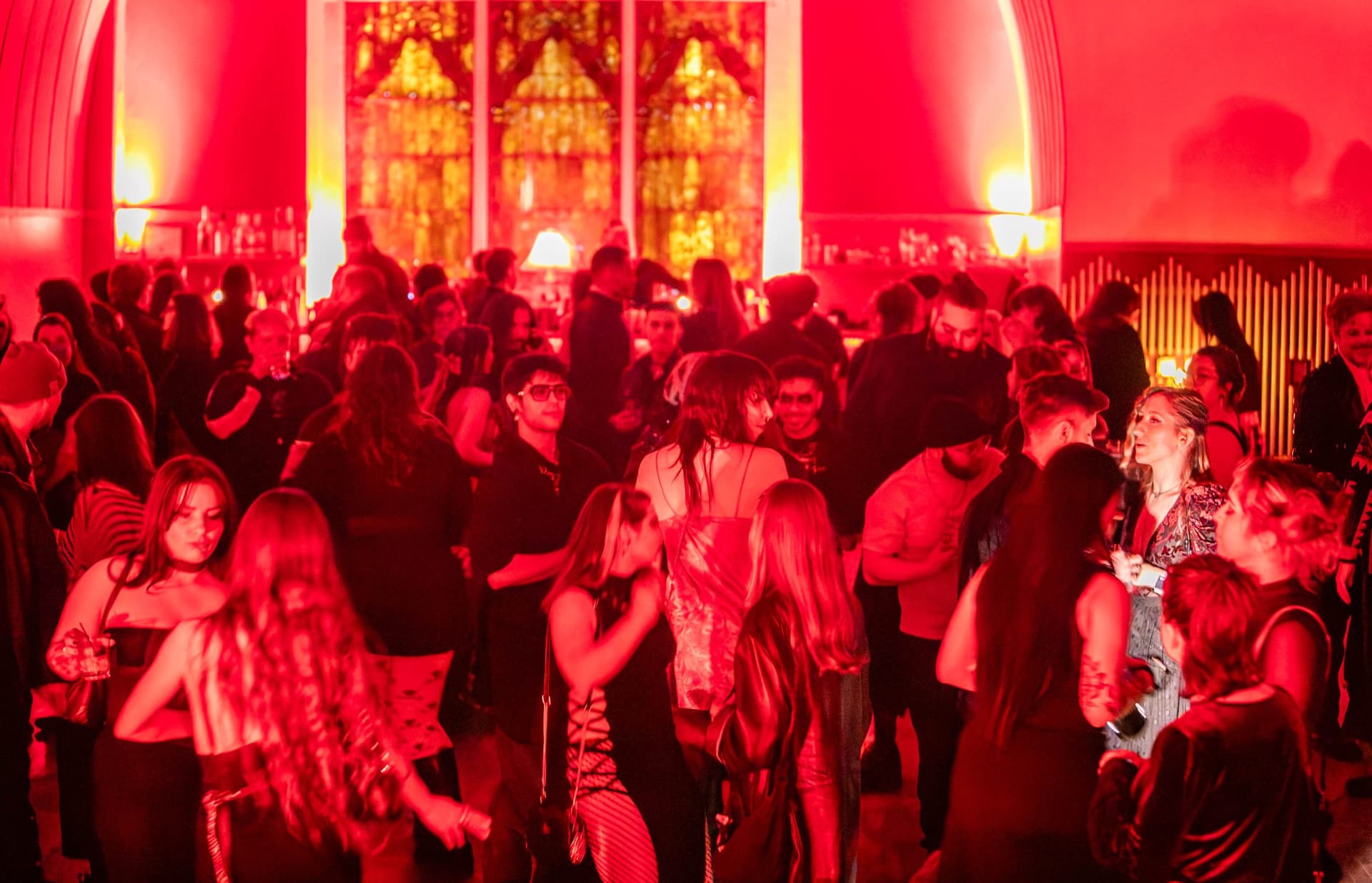
A 135-year-old church on Dubois Street that spent roughly three decades rotting under water damage and accumulated debris has found a second life. The building at 60 Dubois Street in Newburgh reopened in September 2025 as The Ellis, a performance and gathering venue founded by Albert Mizrahi and Mike Mamiye following a three-year renovation.
When Mizrahi and Mamiye first walked the property, the scale of the neglect was stark. "It was rotting," Mizrahi said. "It had been sitting for about 30 years with water damage, leaks, and piles of stuff everywhere. But when we started uncovering things — natural wood floors, higher ceilings, sliding doors — you could see the beauty that had been hidden."
The renovation philosophy centered on revealing history rather than erasing it. Drop ceilings came down, original architectural elements resurfaced, and the sanctuary was transformed into a flexible performance hall. The result is a space where audiences gather close to the stage beneath soaring ceilings and original stained glass, a configuration Mizrahi describes in deliberately sensory terms. "You're not rushing the stage," he said, "but you feel like you're one with the performer."
The Ellis joins a cluster of small-to-midsize performance venues that have taken root across the Hudson Valley in recent years, among them St. Rita's Music Room and Savage Wonder in Beacon, the Grace Note speakeasy at the Stissing Center in Pine Plains, Tempo and Assembly in Kingston, the Indigo Room at the Mahaiwe Performing Arts Center, and the Lucky Dog Listening Room in Beacon. The pattern reflects what Chronogram described as a growing regional appetite for venues that prioritize intimacy, experimentation, and direct engagement between artists and audiences.

The Ellis frames its own identity around that same tension between scale and closeness. Its mission language describes the space as operating "between the intimate and the grand," drawing from music, art, performance, philosophy, and spirituality. "The story of The Ellis is not about reclaiming a building," reads the venue's statement; "it's about embracing its spirit."
The church that opened on Dubois Street in 1890 was once a place of prayer and communal gathering. Those functions, in a secular form, are what Mizrahi and Mamiye are betting Newburgh still wants at that address. Inquiries can be directed to Info@TheEllisNewburgh.com.
This article was produced by Prism’s automated news system from verified source data, official records, and press releases, then run through automated quality and moderation checks before publishing. The system is built and supervised by the people who set the standards it runs under. Read our full AI policy.
Did this article answer your question?