Nuclear Engineer Calls Indian Point Reopening Technically Credible, Sparking Debate
A URI nuclear engineer called Indian Point's reopening "technically credible," but said New York's political climate makes it unlikely despite a high-profile Republican push.
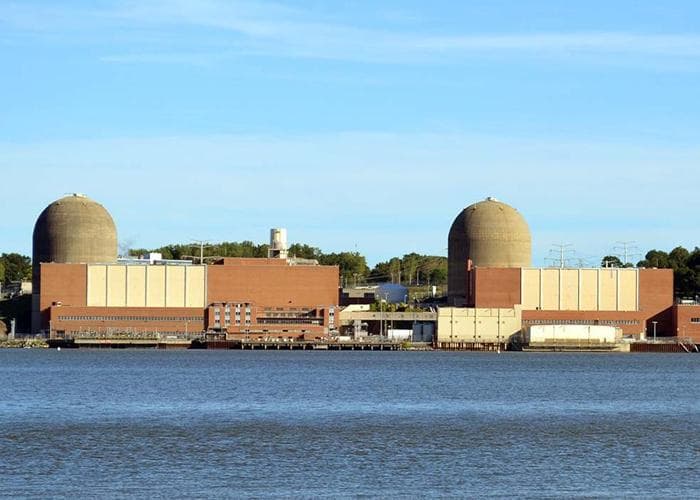
A nuclear engineer with more than four decades of experience assessed the shuttered Indian Point Energy Center as one of the most favorable nuclear redevelopment sites in the Northeast, lending unexpected technical credibility to a politically charged push to bring the Buchanan plant back online.
Dr. Bahram Nassersharif, director of the nuclear engineering program at the University of Rhode Island, said reopening Indian Point is "technically credible" and "strategically attractive," citing the site's existing high-voltage transmission interconnections, access to Hudson River cooling water, its long licensing and operating history, and a regional workforce already familiar with nuclear plant operations. "From an engineering standpoint, Indian Point remains one of the most favorable sites in the Northeast for future nuclear redevelopment," he said.
Nassersharif was careful to separate engineering reality from political possibility. The prospect of reopening, he said, "remains unlikely because of New York State's 'political and regulatory conditions.'" He added that the original site "was developed to demanding seismic and structural standards," a direct response to concerns raised by opponents.
Indian Point operated for nearly 60 years before its permanent shutdown on April 30, 2021. The plant's closure left a significant gap in the region's power supply, and electricity costs across the Hudson Valley and downstate New York have remained a persistent political issue since.
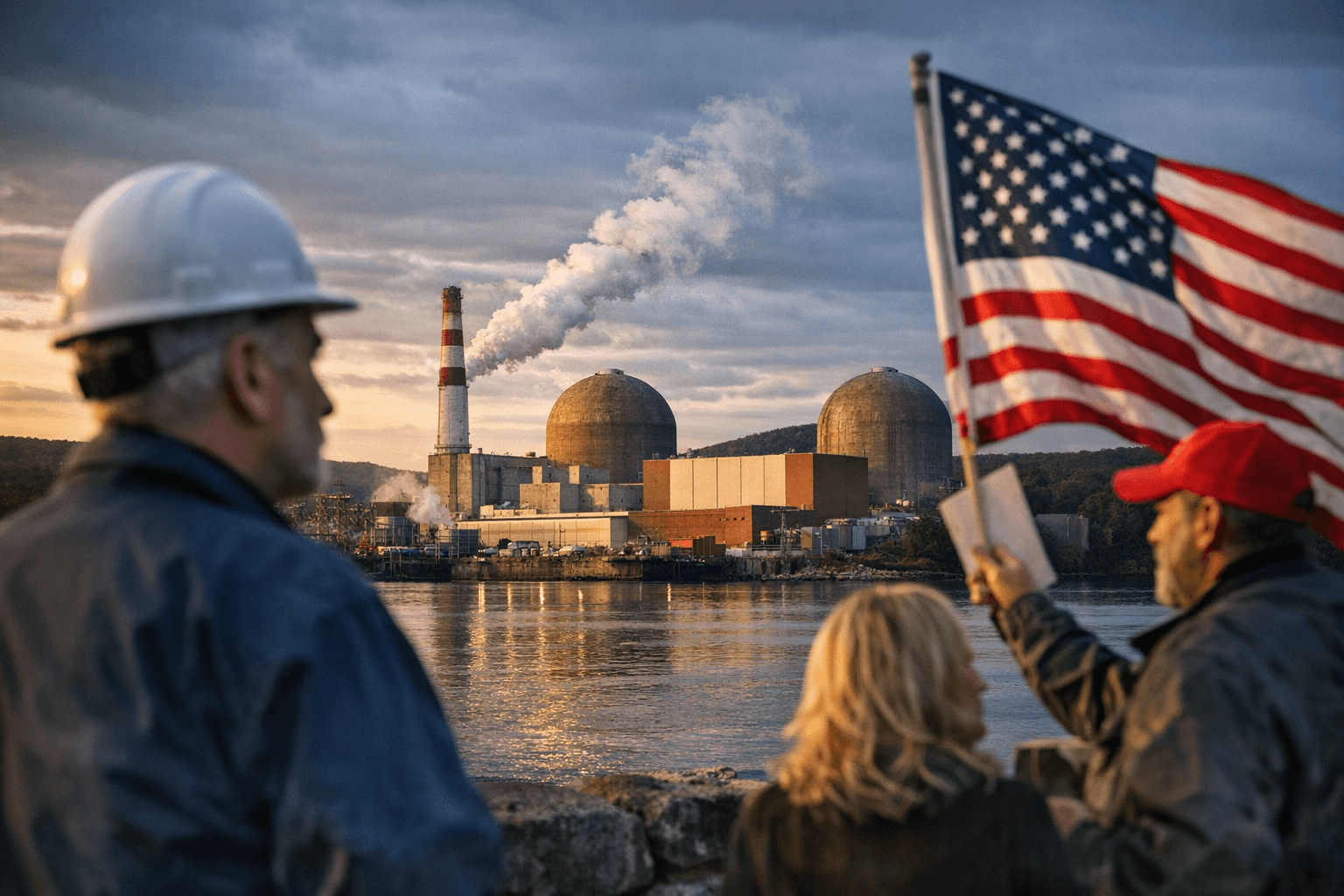
That issue brought Congressman Mike Lawler (R-NY-17) and U.S. Energy Secretary Chris Wright to the Indian Point site last week, where they joined other Republicans in calling for the plant to reopen, arguing it would help lower electricity costs. The visit drew sharp pushback from Rockland County Democratic legislators Alden Wolfe and Beth Davidson, who said the plant should remain closed due to long-standing safety, health, and environmental concerns.
Wolfe pointed specifically to a recent 2.3-magnitude earthquake centered in nearby Sleepy Hollow as a reason to keep the plant offline, a claim Nassersharif's seismic standards argument appears designed to counter directly.
The exchange illustrates just how far apart the two sides remain. Nassersharif's technical endorsement gives the pro-reopening camp a credentialed voice, but his own assessment concedes that New York's regulatory environment is the higher barrier, not the plant's physical infrastructure.
This article was produced by Prism’s automated news system from verified source data, official records, and press releases, then run through automated quality and moderation checks before publishing. The system is built and supervised by the people who set the standards it runs under. Read our full AI policy.
Did this article answer your question?