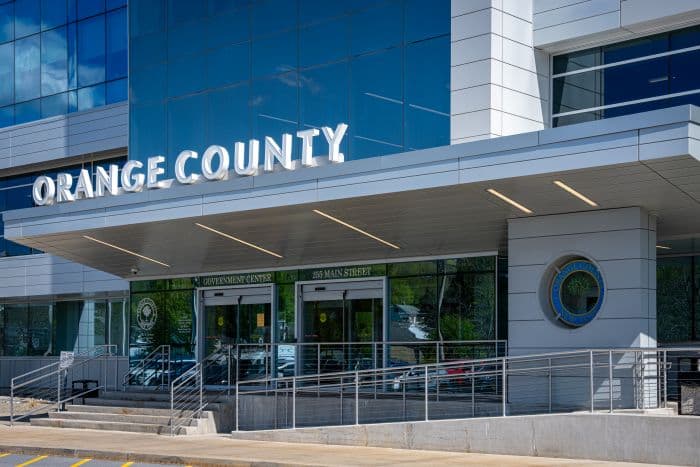
Orange County Clerk’s office serves deeds, court records and naturalization
Need a deed in Goshen or court paperwork in Newburgh? Orange County Clerk’s Office now pairs online records and e-recording with a Record Room for older files.
When you are buying a home, tracing an old deed, or trying to locate court paperwork, Orange County Clerk’s Office is often where the search starts. The county’s public service pages show a system built for everyday use: County Clerk, E-Recording, Online Records, Record Room, Court Records, Deeds, Naturalization, Schedule of Fees, and Recent Changes at the County Clerk’s Office. Together, they make the office a central hub for records that shape ownership, identity, and legal history across Orange County, New York.
Deeds, mortgages and the first search
For property matters, the clearest entry point is the county’s land-records system. Orange County’s online records guidance says land records include deeds, mortgages, and powers of attorney, with online coverage running from 12/31/1953 to the present. Earlier years are still being back-scanned, which matters if you are researching an older transfer in Goshen, Monroe, Warwick, Newburgh, or any other part of the county.
That online access is important because it serves more than one kind of user. Property owners checking a chain of title, attorneys preparing closings, and title professionals confirming a prior filing can all start with the same set of records. Orange County’s property-records ecosystem also includes RecorderWorks, a searchable portal for grantor and grantee searches and related document lookups, giving users another path into the same public record system.
Why the Record Room still matters
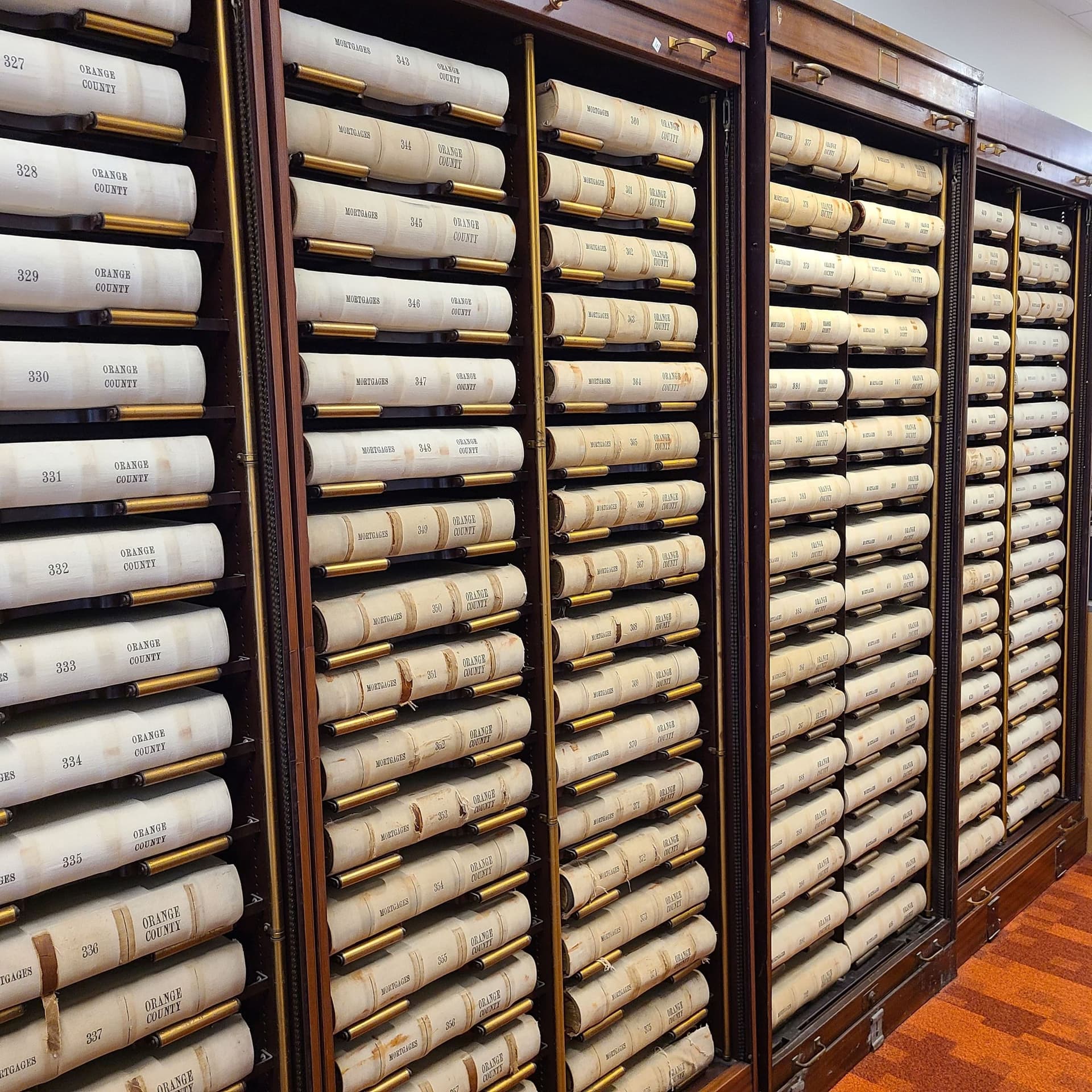
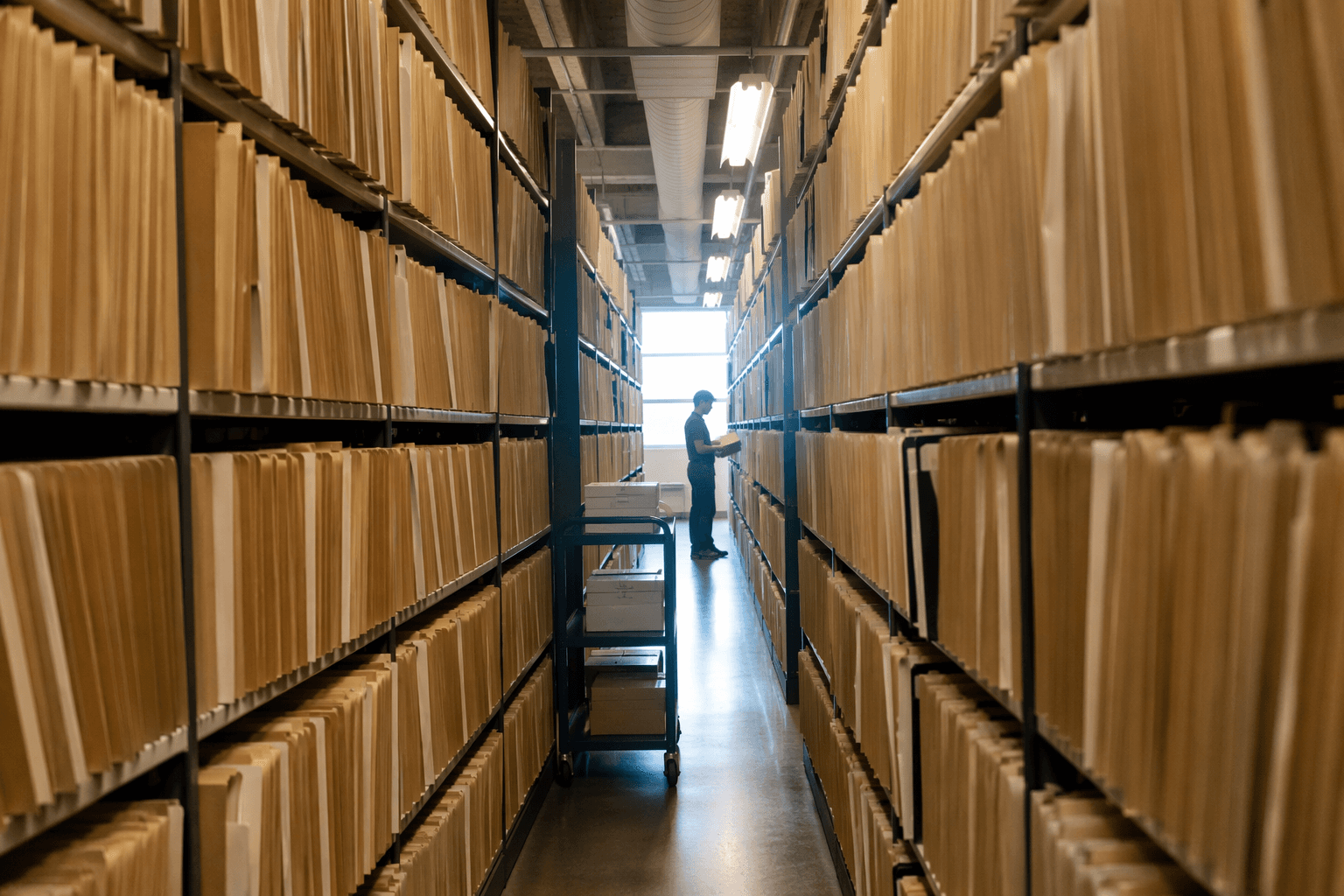
Digital access does not replace the physical archive. Orange County’s online-records system reflects a hybrid model, with searchable records available online and a Record Room still carrying the material that is older, less digitized, or not as easy to pull through a web search. That matters when a property trail stretches back before the online cutoff, or when a file needs to be checked against the original paper record.
The county’s own structure makes that split clear. Online pages cover current services, while the Record Room preserves the office’s older holdings and the Historical Documents & Resources page points readers toward the county’s broader archival role. In a county with 42 cities, towns, and villages, that combination turns the Clerk’s office into a countywide back-end system, not just a downtown filing counter.
Court records and naturalization files
Property is only part of the story. The Clerk’s office also serves as a place to start when the issue is legal, because court records can be the right starting point for a dispute, a filing, or a paper trail that moved through the county courts. That makes the office useful to residents and attorneys alike, especially when a matter needs a formal record instead of a recollection.
Naturalization records add a different layer. Someone building a family tree may turn to the Clerk’s office for citizenship paperwork, but New York State Archives guidance makes the search more complicated than a single office visit. Depending on the time period and the court involved, naturalization records may be held by county clerks, state archives, or other repositories. For Orange County researchers, that means the county page can be the first stop, but not always the final one.
E-recording changes how documents get in the door
Orange County has also modernized the front end of the process. The county says electronic recording is available, and a village notice quoting the Clerk said land records such as deeds and mortgages can now be e-recorded in Orange County through vendors including Simplifile. That is especially useful for title professionals and law offices that handle repeat property transactions and need faster document submission.
E-recording does not erase the older system; it sits beside it. The county still maintains online records, a physical Record Room, and traditional service pages, which is exactly why the office works for both quick transactions and older searches. A homeowner may never use e-recording directly, but the system still affects how quickly a deed enters the public record after a closing.
Fees, recent changes and what to check before a trip
The public web pages also give residents two practical checkpoints before they head to the office: the Schedule of Fees and the Recent Changes page for the County Clerk’s Office. Those pages matter because official record work comes with standardized charges and procedures can shift over time. If you are planning a filing, a records request, or a research visit, those pages are the fastest way to see what the office is currently charging and how it is handling submissions.
That is especially useful in a county as large and varied as Orange County, where one office serves people across cities, towns, and villages with different needs. A family historian, a property owner, a researcher, an attorney, and a title professional may all walk in for different reasons, but they are using the same record system.
A countywide record system with two faces
Orange County Clerk’s Office works because it connects the modern and the archival sides of public records. Online searches reach back to 12/31/1953 for land records, RecorderWorks adds a searchable entry point, e-recording speeds up new filings, and the Record Room still protects older material that has not fully moved online. Add court records, naturalization files, fee schedules, and historical resources, and the office becomes one of the county’s most important public service systems.
This article was produced by Prism’s automated news system from verified source data, official records, and press releases, then run through automated quality and moderation checks before publishing. The system is built and supervised by the people who set the standards it runs under. Read our full AI policy.
Did this article answer your question?