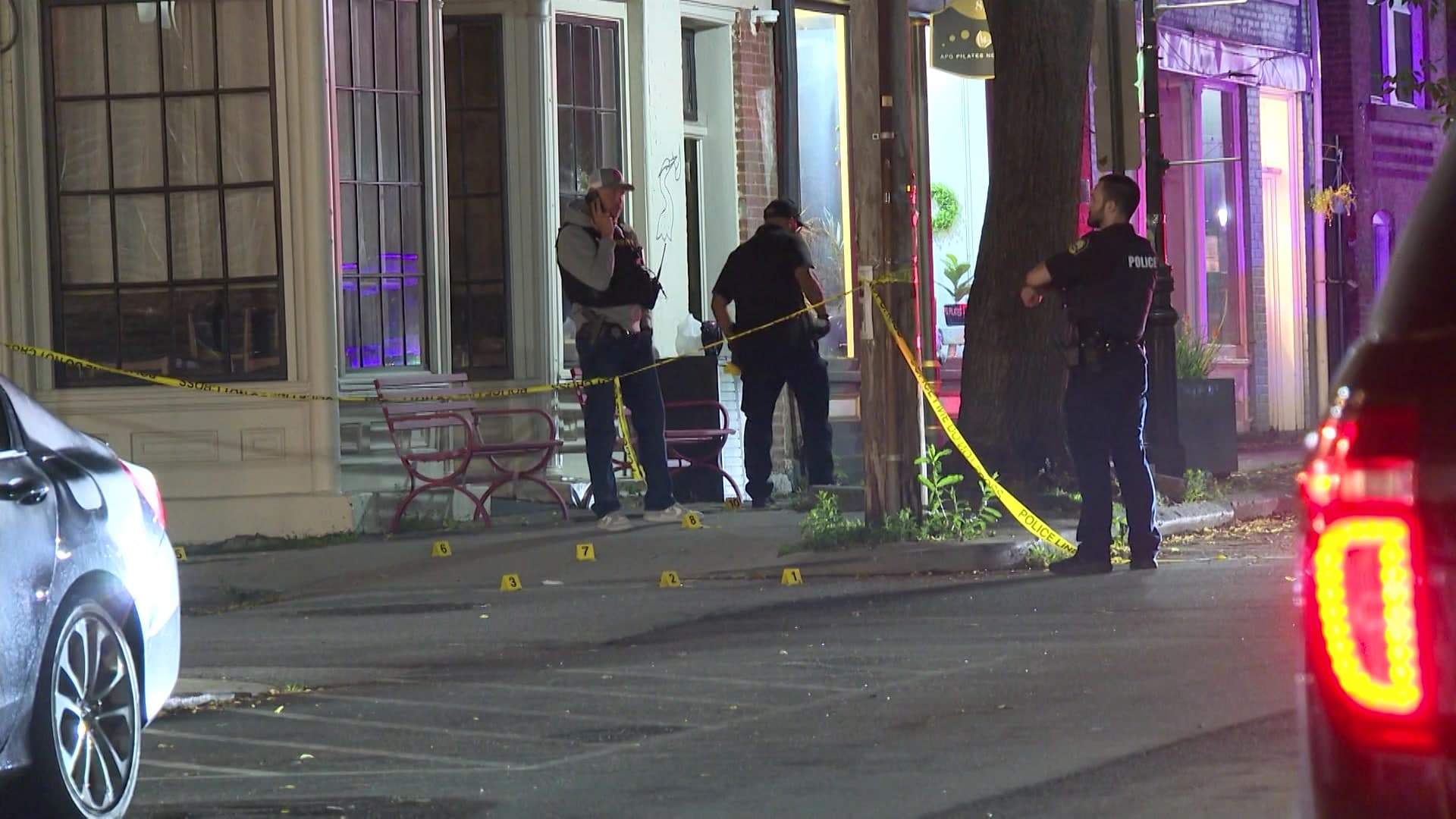
Orange County DA warns falling drug arrests do not mean less trafficking
Hoovler cited a 45 percent drop in drug arrests since 2015, but said Orange County still needs wiretaps, undercover work and multiagency probes.
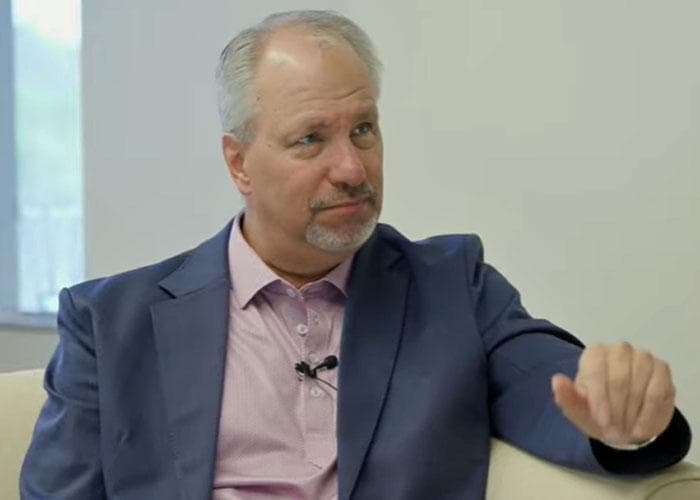
Orange County’s narcotics arrest count has fallen nearly in half over a decade, but District Attorney David Hoovler said that does not mean trafficking has eased. In a June 17 op-ed, Hoovler pointed to state data showing arrests dropped from 1,665 in 2015 to 923 in 2025, a decline of about 45 percent, and argued the county should keep focusing on traffickers and criminal organizations rather than people whose main issue is substance use disorder.
The county’s public-health records show why the debate is not so simple. Orange County’s 2024 drug-related mortality report covers every accidental overdose death in the county from Jan. 1 through Dec. 31, 2024, and officials say final overdose determinations can take 8 to 12 weeks or longer because toxicology and investigative work are complex. The county also says its overdose reports use cleaned and updated data for 2021 through 2024 comparisons, so year-to-year figures can shift as more information comes in.
Hoovler said narcotics cases remain valuable because they can expose far more than drugs. Search warrants, surveillance, financial investigations and electronic evidence, he wrote, can uncover illegal firearms, retail theft, identity theft, financial fraud, money laundering, gangs and even sexual exploitation and human trafficking. His argument is that a drug case can become a doorway into a broader criminal network, not just a possession case that ends with one arrest.
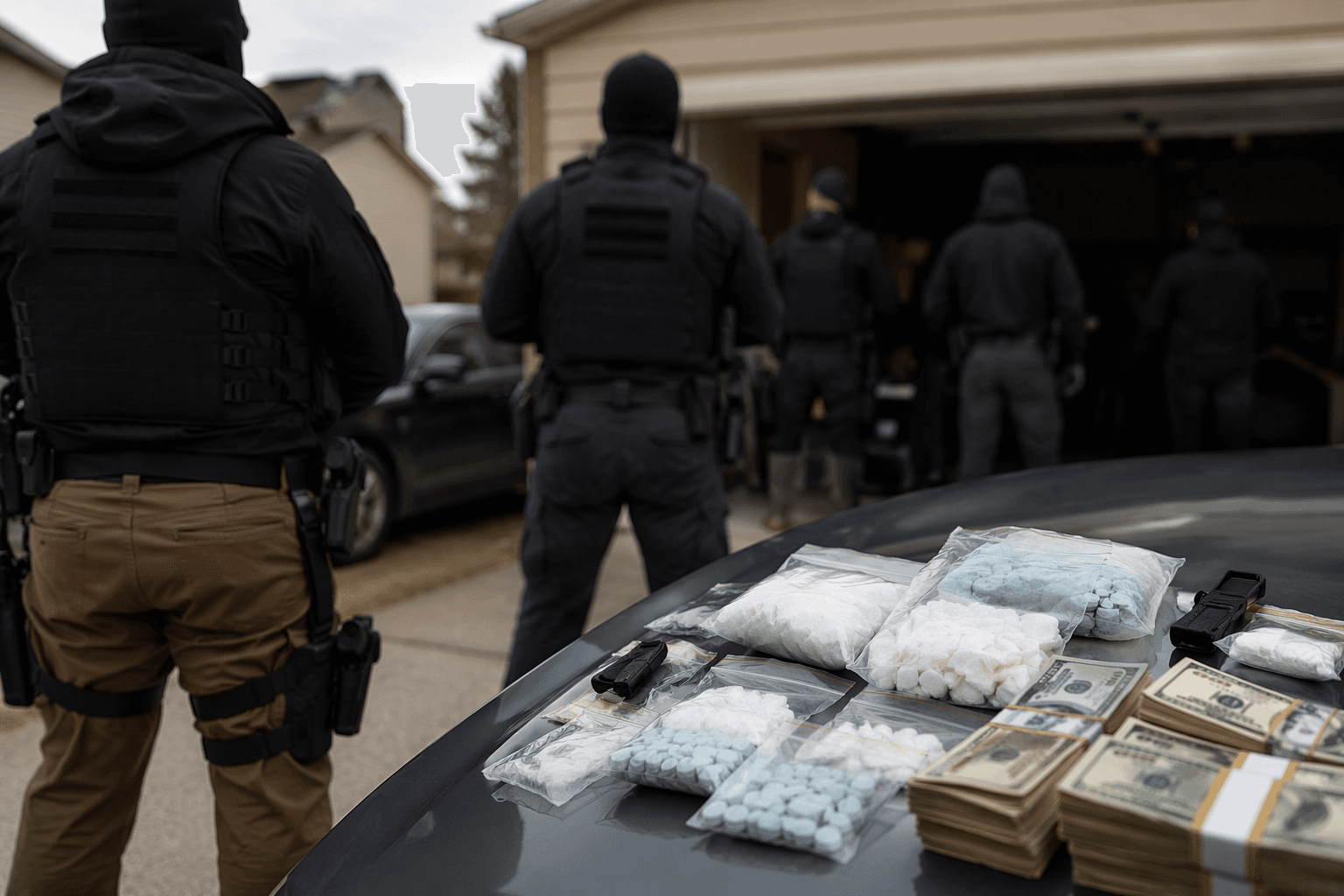
A recent operation offered the kind of example he has in mind. In late April, law enforcement carried out an enforcement action tied to Operation Slow Motion, a nine-month narcotics trafficking investigation that led to charges against 17 defendants. Officials said the probe recovered roughly 16 kilograms of narcotics, 17 illegally possessed guns and more than $250,000, using judicially authorized wiretaps and undercover officers across Orange County, New York City and New Jersey.

The county has said the Orange County Drug Task Force was created in 2015 as a collaboration between the district attorney’s office, the sheriff’s office and local police departments. That history frames Hoovler’s message now: even with overdose deaths still under active review and arrest totals falling, Orange County’s law enforcement strategy remains built around multiagency narcotics work aimed at the people profiting from drugs, violence and exploitation.
This article was produced by Prism’s automated news system from verified source data, official records, and press releases, then run through automated quality and moderation checks before publishing. The system is built and supervised by the people who set the standards it runs under. Read our full AI policy.
Did this article answer your question?