Orange County executive urges federal disaster aid for Hudson Valley farmers
Orange County farmers could get emergency federal aid if Washington approves a disaster declaration after an April freeze wiped out Hudson Valley crops.
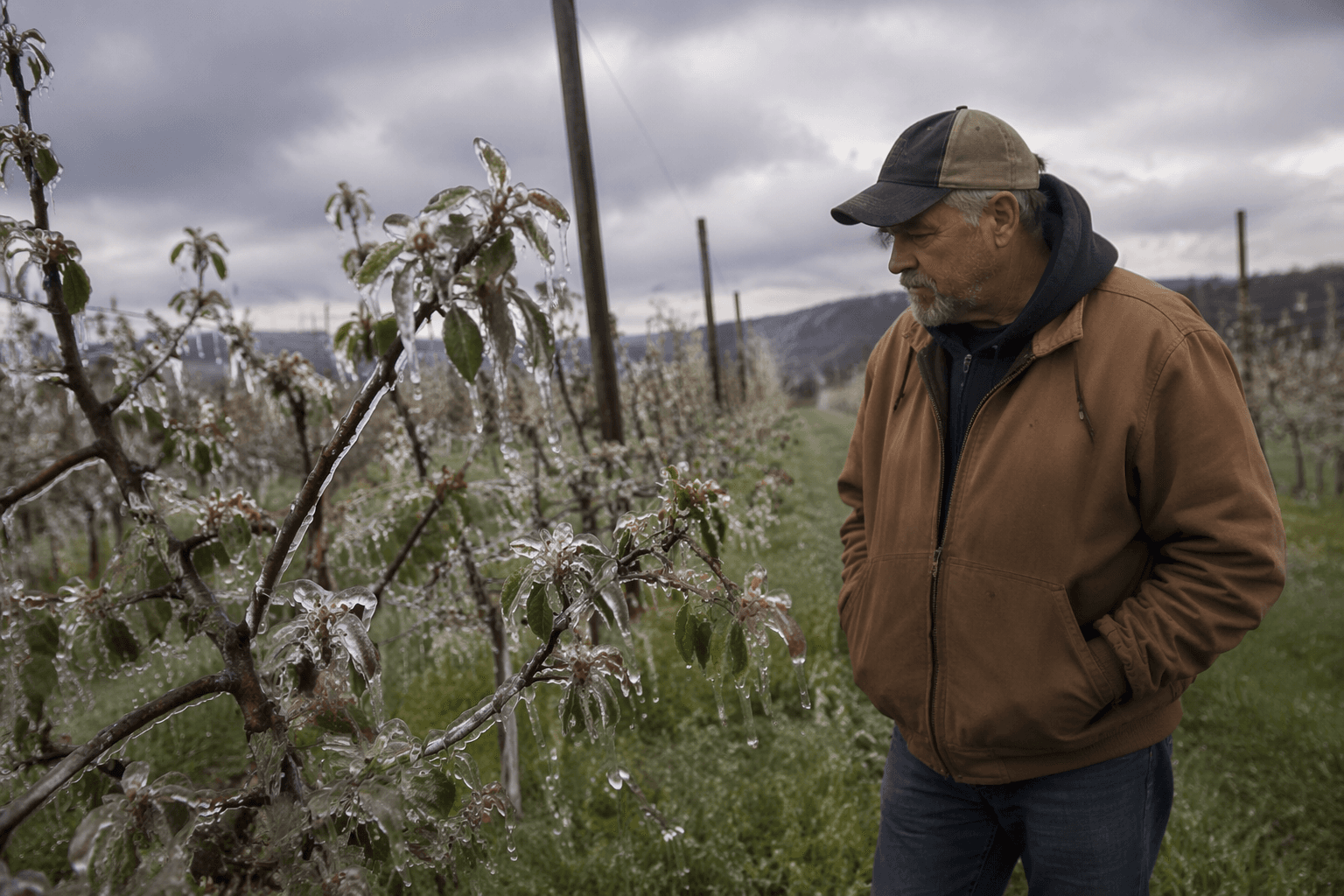
Orange County farmers could gain a federal lifeline after an April freeze tore through orchards and fields across the Hudson Valley, but only if Washington moves quickly on New York’s disaster request. Orange County Executive Steven Neuhaus joined Ulster County Executive Jen Metzger and Dutchess County Executive Sue Serino on June 4 in urging the U.S. Department of Agriculture to approve aid, warning that growers are facing losses severe enough to threaten this season’s harvest and the local food chain built around it.
Governor Kathy Hochul requested a Secretarial Disaster Designation from USDA on May 20 and announced the move on May 29 after frost conditions in April 2026 followed an early bloom triggered by warmer-than-normal temperatures. State officials said the freeze dipped below 23 degrees and that reported crop losses had already topped $30 million, with some growers saying they lost as much as 100 percent of their crop.
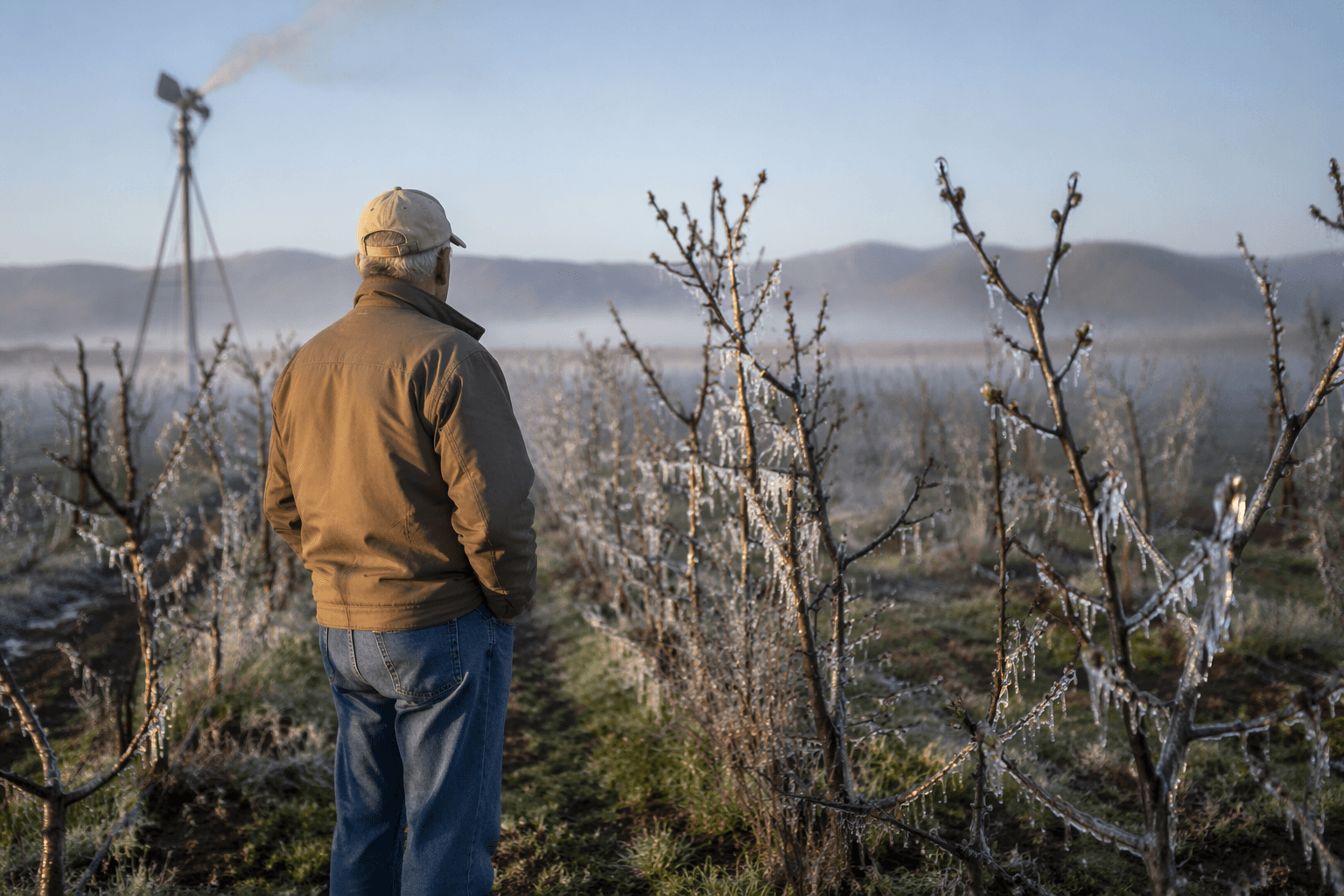
The damage reached across a wide swath of New York agriculture, hitting apples, grapes, stone fruit such as peaches, plums and cherries, pears, strawberries and early onions. Hochul said New York ranks second in the nation for apple production and third for grapes, and said the apple industry alone generates $574 million in economic impact.
A disaster declaration would allow eligible producers to apply for USDA low-interest emergency loans and disaster assistance, tools that can help farms replant, cover debt and hold onto workers after a weather shock they could not control. For Orange County, the stakes run beyond the farm gate. Local growers, seasonal workers, markets, food businesses and tourism tied to the agricultural landscape all depend on whether damaged farms can make it to another harvest.
The toll is already visible at Weed Orchards, where owner John Weed said the farm has only about one-third of a crop left after losing roughly two-thirds of its peaches and apples. Weed said he spent $14,000 on a helicopter to try to push warmer air down into the orchard, but the effort was not enough to save the crop.
The push for fast federal action also echoes New York’s experience in 2024, when officials issued a crop loss determination for Concord grape growers after another April frost and freeze. Cornell AgriTech found that more than 40 percent of the Concord crop grown or produced for winemaking in New York had been destroyed, and the state response let licensed farm wineries temporarily source grapes or juice from outside New York. That kind of relief can make the difference between a lost season and a farm that survives the year.
This article was produced by Prism’s automated news system from verified source data, official records, and press releases, then run through automated quality and moderation checks before publishing. The system is built and supervised by the people who set the standards it runs under. Read our full AI policy.
Know something we missed? Have a correction or additional information?
Submit a Tip