Orange County explains recycling rules, drop-off sites and fees
The easiest recycling mistake in Orange County is mixing recyclables with trash. The county’s free resident drop-off sites, fee-based commercial system and household hazardous waste rules all hinge on that line.
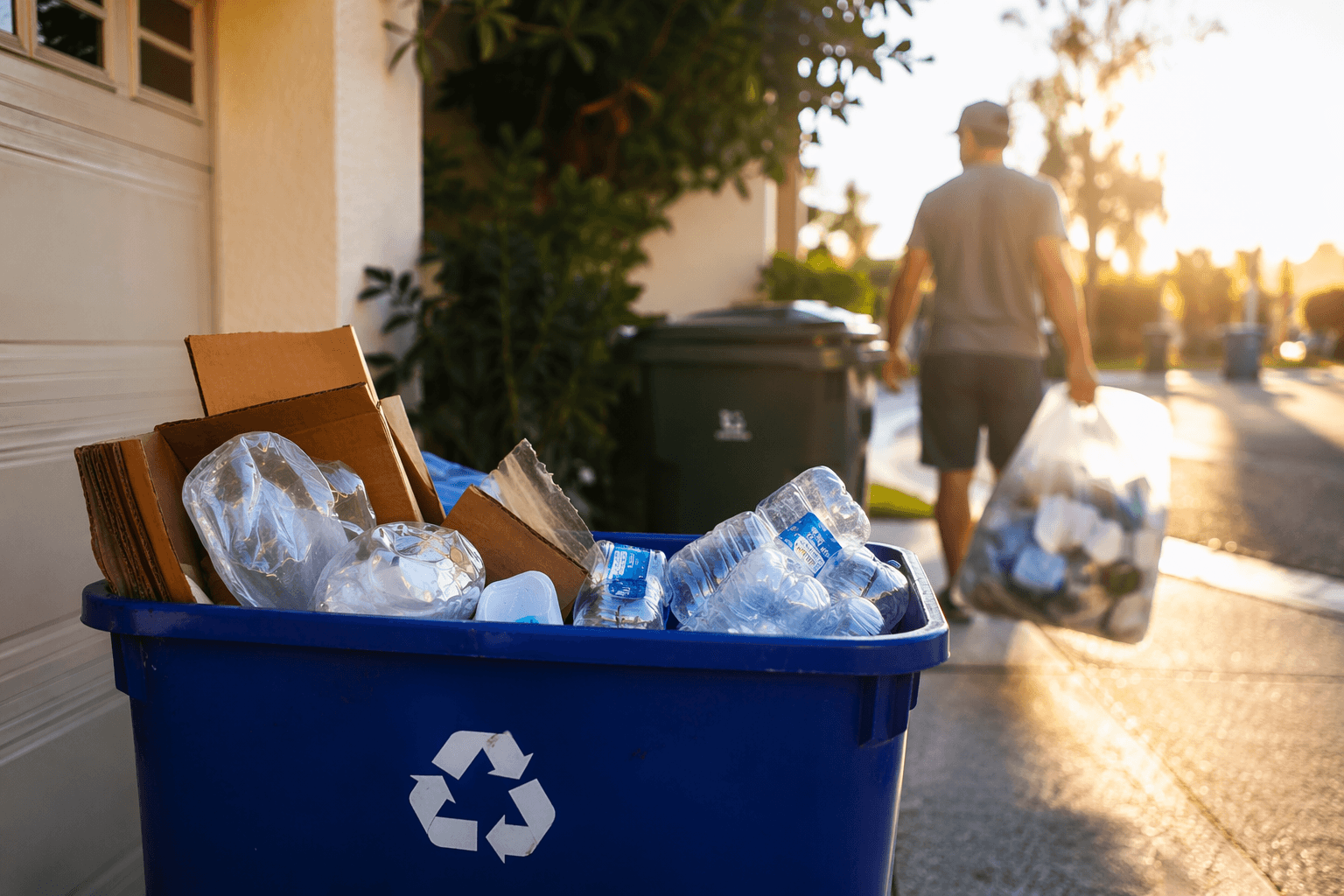
The fastest way to waste a trip in Orange County is to show up with recyclables mixed into a trash load. The county says its transfer stations do not accept loads of recyclables mixed with solid waste, and staff monitor tipped loads to enforce the rules. For residents, the practical takeaway is simple: keep recycling separate, use the county’s resident drop-off areas, and do not assume every curbside hauler accepts the same materials.
Where recycling goes, and what it costs
Orange County’s system is built around Local Law No. 2 of 1989, which requires recycling by municipalities, businesses and residents. The county operates three transfer stations with resident recycling drop-off areas in New Hampton, Newburgh and Port Jervis, and residents can use those drop-off areas for free. Solid-waste haulers, municipalities and businesses pay a fee, a structure that keeps the county’s recycling system centered on local residents while charging commercial users for the service they consume.
That fee split matters because it answers a common local question: whether recycling is being handled as an optional courtesy or as a formal public obligation. In Orange County, it is both regulated and practical. The law sets the expectation, the transfer stations provide the place to bring materials, and the fee policy separates residential use from commercial disposal. For anyone cleaning out a garage, moving household items or sorting a large weekend cleanup, the county’s message is clear: use the resident drop-off areas, and do not mix recyclable material with trash at the gate.
What Orange County actually accepts
At county drop-off areas, residents can bring the classic curbside recyclables most people already expect: glass, paper, cardboard and scrap metal. The county also accepts car batteries, used motor oil and antifreeze there, which makes the drop-off areas more useful than a standard curbside bin. One detail stands out for anyone who has been told to throw glass away because their hauler will not take it: Orange County says it continues to accept glass at its resident drop-off areas even when some curbside haulers do not.
The county also says single-stream recyclables do not disappear into a landfill stream. Instead, they go to a materials recovery facility, where they are sorted and baled into separate commodities. That is an important correction to one of the most persistent recycling myths, and Orange County says recyclables received at its transfer stations are not landfilled. For residents trying to avoid the most common mistake, the rule is to treat the county drop-off area as the backstop when curbside service is limited or unclear, especially for items like glass and scrap metal that can create confusion at the curb.
Hazardous waste is a different system
Household hazardous waste is where many residents get tripped up, because the county’s rules are narrower than ordinary recycling. Orange County says resident collection events accept only household quantities and are for Orange County residents only. Schools, farms, municipalities and businesses are sent to separate Friday events, and those events require registration. Paper shredding is not offered at these events, another detail that can save a wasted trip for anyone bringing old tax files, bank statements or office paperwork.
Paint is handled through a separate arrangement. Orange County now works with PaintCare, which means wet latex, acrylic and water-based paints, as well as oil-based paint, can be dropped off year-round at designated sites. The county lists PaintCare locations in Monroe, Newburgh, Florida and Port Jervis, giving residents multiple options without waiting for a one-day collection event. That year-round system is the practical answer for half-used cans that tend to sit in basements and garages for years, especially during spring cleaning or a home move.
What goes to the transfer stations, and what stays out
The county’s transfer stations are not a catch-all for everything that looks vaguely recyclable or disposal-worthy. Mixed loads are rejected when recyclables are thrown in with solid waste, and the county says it monitors tipped loads to make sure the rules are followed. That enforcement detail matters because it shows the system is designed to keep recoverable material separate before it gets buried in the wrong stream.
Residents can also bring residential quantities of motor oil and antifreeze to the transfer stations, which gives the county a second outlet for fluids that should never be dumped into drains, soil or ordinary trash. Together with the household hazardous waste events and PaintCare sites, that creates a three-part disposal map: recyclables to the resident drop-off areas, hazardous household materials to the proper collection program, and used oil or antifreeze to the transfer stations. The county says the entire setup is meant to protect local groundwater, streams and lakes, a reminder that improper disposal is not just an inconvenience but a pollution problem with immediate local consequences.
For Orange County residents, the easiest rule to remember is the one that prevents the most mistakes: keep recyclables out of trash loads, use the county’s free drop-off areas for accepted materials, and send hazardous items to the right program instead of guessing. In a system with three transfer stations, year-round paint drop-offs and clearly separated resident and commercial rules, the burden is not on residents to improvise. It is on residents to match the item to the right place the first time.
This article was produced by Prism’s automated news system from verified source data, official records, and press releases, then run through automated quality and moderation checks before publishing. The system is built and supervised by the people who set the standards it runs under. Read our full AI policy.
Know something we missed? Have a correction or additional information?
Submit a Tip