Orange County Fair Anchors Local Economy, Agriculture, and Community Engagement
The Orange County Fair in Wallkill is a longstanding multi-day regional event with roots in the 19th century that remains a central driver of tourism, small-business activity, local agriculture, youth development and motorsports in the county. Its continued operation raises practical choices for county officials and residents about funding, land use, vendor regulation and public oversight that shape how the fair serves the community.
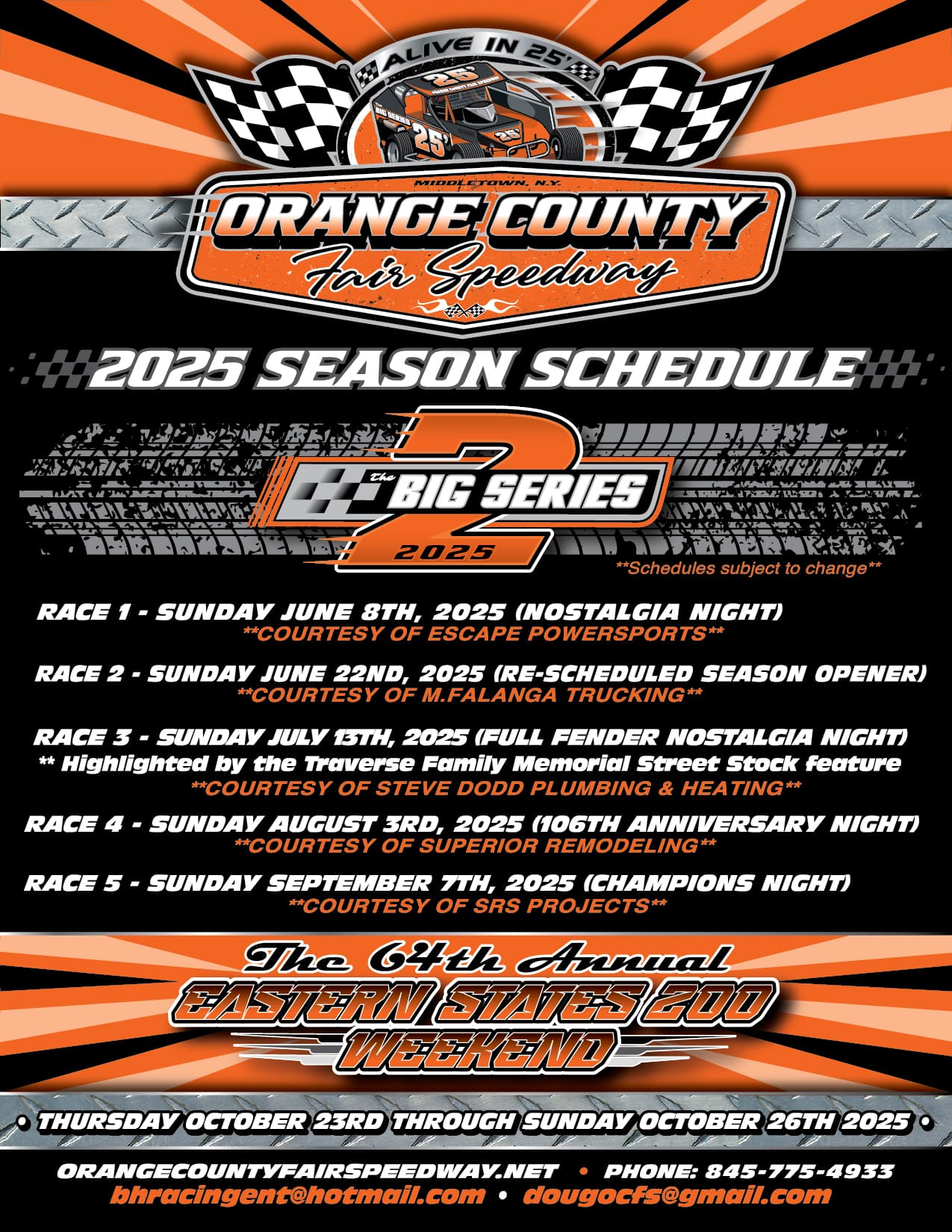
The Orange County Fair, held in the town of Wallkill near Middletown and Goshen, is a multi-day regional attraction that traces its origins to the 19th century and has long rotated through county communities. Today it combines traditional agricultural displays and 4-H programming with entertainment, food vendors and racing at the Orange County Fair Speedway. That mix makes the fair a focal point for tourism, small-business sales and the agriculture economy across Orange County.
For residents and local officials the fair is more than a weekend of rides and exhibits. It provides recurring economic activity for vendors and nearby businesses, offers a market for local farmers and artisans, and sustains youth programs that connect emerging generations to agriculture and civic life. The motorsports element draws distinct audiences to the speedway and contributes to the fair’s broader appeal, but it also brings specific operational needs such as public safety, traffic management and noise mitigation.
Those operational needs intersect with public policy and institutional decisions. County government, municipal partners and whatever local organizing groups oversee the fair must balance budgetary support, permitting and land-use rules while maintaining transparent procurement and vendor oversight. Decisions about funding levels, facility maintenance, and contracts for services can affect the fair’s accessibility for small vendors and noncommercial agricultural exhibitors. Residents who care about how the event is run influence those decisions through civic channels: attendance at public meetings, engagement with local elected officials and voting on budget and land-use measures that shape the fairgrounds’ future.
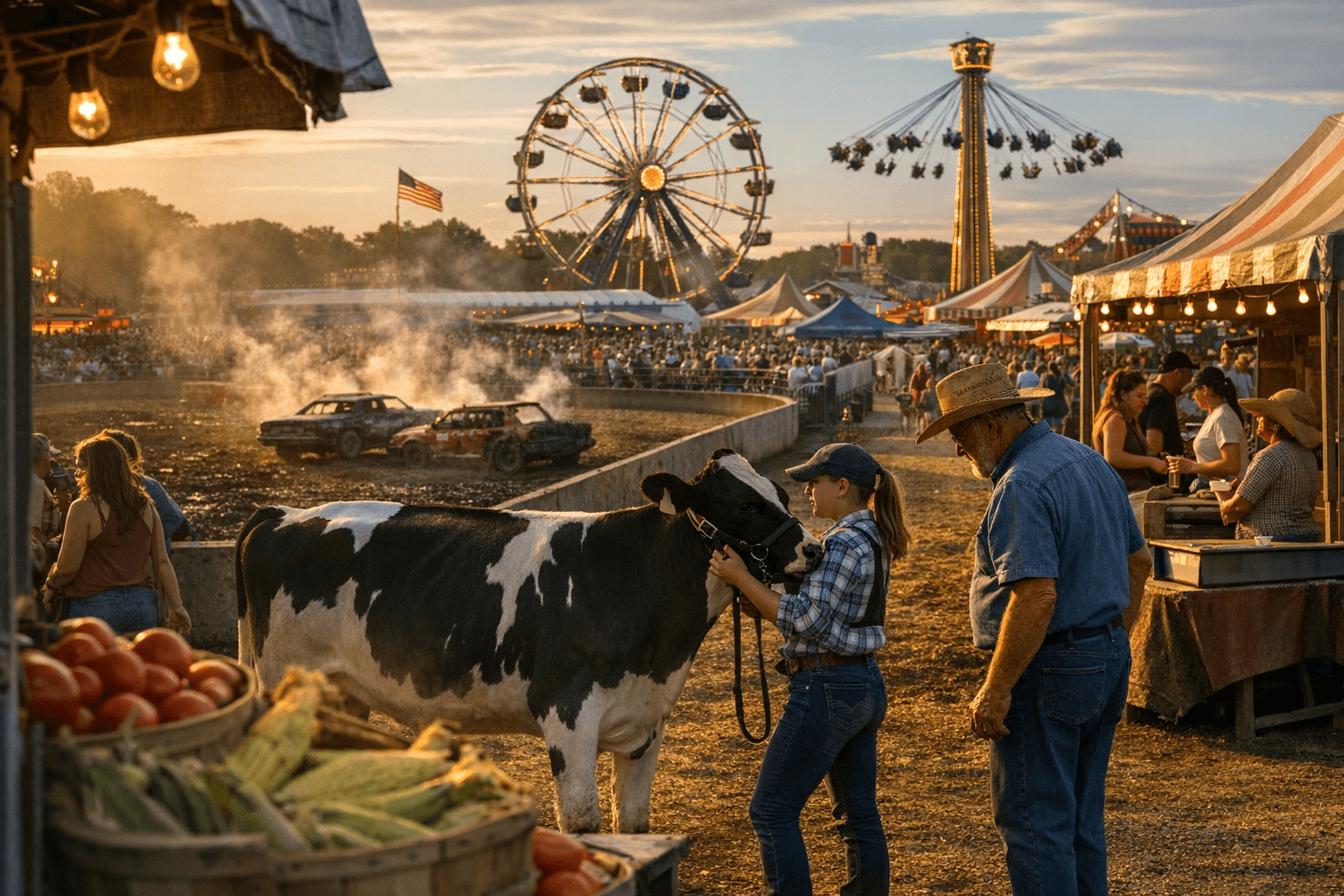
The fair’s historic character and continuing draw also create planning imperatives. Infrastructure investments, parking, sanitation, emergency services and accessibility, carry recurring costs that require clear fiscal planning to avoid last-minute tradeoffs that diminish community benefits. Balancing commercial attractions with the fair’s agricultural mission is a governance question that touches on community identity as well as economic return.
For Orange County residents, the fair is both an annual tradition and a policy touchpoint. It delivers revenue and cultural continuity, supports youth and small businesses, and presents local officials with choices about transparency, equity and long-term land use. Active civic engagement and scrutiny of budgetary and permitting decisions will determine how well the fair continues to serve the county’s economic and civic life in coming years.
Know something we missed? Have a correction or additional information?
Submit a Tip

