Orange County Heritage Trail links towns through railroad history
The Heritage Trail ties Orange County towns together on a former Erie Railroad line, with trailheads, village access, and winter limits.
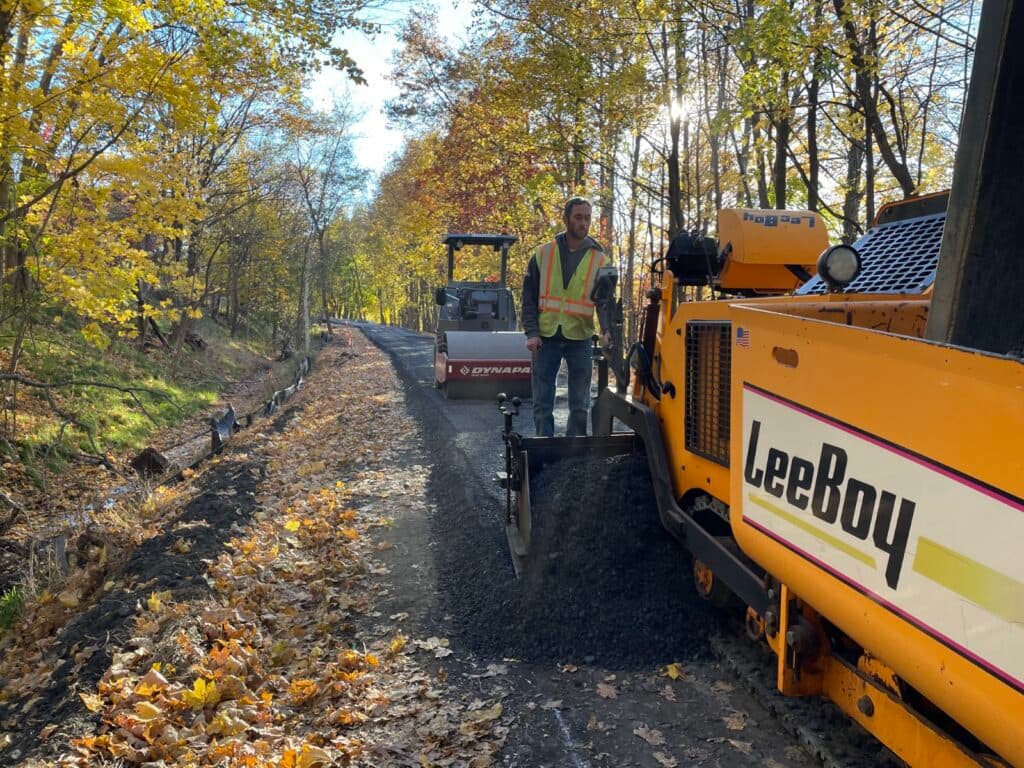
Orange County’s Heritage Trail is one of the county’s most practical public spaces: a roughly 19.5-mile corridor from Middletown to Harriman that lets people move between town centers, park-and-ride lots, and village streets without getting back in a car. Built on the former Erie Railroad right-of-way, it functions as both recreation space and a piece of working local infrastructure, with access points that make it useful for daily walks, bike rides, skating, and seasonal outings.
A rail line turned community corridor
The trail’s railroad past is not decorative. Orange County calls it the first multi-use asphalt trail developed in its parks system, and the route follows the former Erie Railroad right-of-way through Goshen, Chester, Monroe, New Hampton, Middletown, and Harriman. That history gives the trail a clear community-to-community identity: it is a reused transportation corridor, not a purpose-built park path cut off from the places around it.
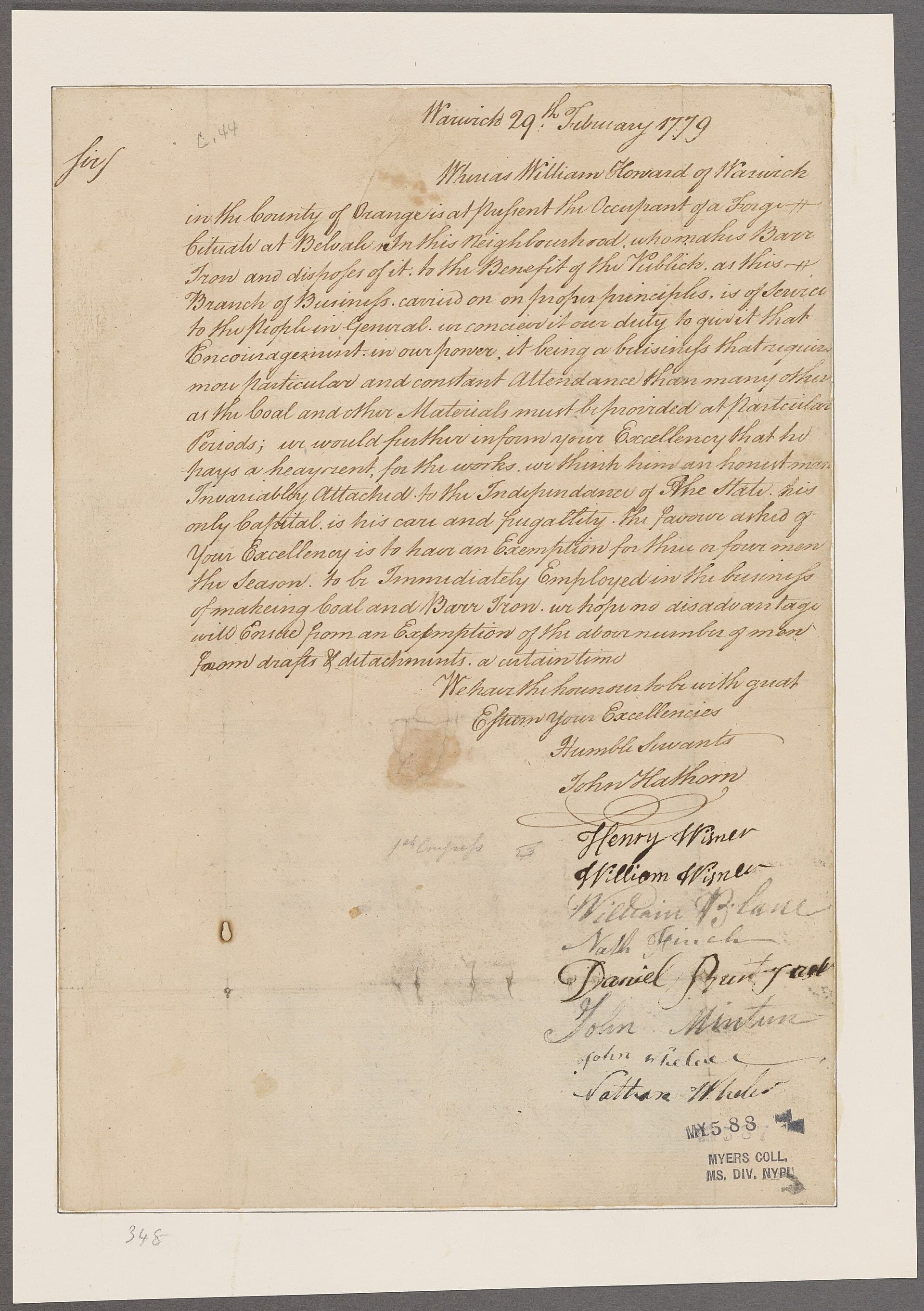
The railroad shaped this stretch of Orange County long before the trail existed. The Chester Historical Society says that by 1842, local dairy farmers were already using the Erie Railroad to ship milk by rail, including a documented shipment of 240 quarts. The Goshen line was discontinued in 1985, Orange County bought the right-of-way in 1988, Orange Pathways, Inc. was formed in 1990 to promote a trail on the old line, and construction began in 1991. A federal grant of $304,000 in 2000 helped extend the trail 3.2 miles from Museum Village in Oxford to the Harriman train depot.
Where to get on, and why each access point matters
The county has built the trail around access points that line up with everyday use. Ryerson Road in New Hampton and Hartley Road in Goshen work as straightforward entry points for people looking for quieter starts. St. James Place in the Village of Goshen is especially useful if you want to combine trail time with a stop in the village center, while Chester Depot Museum adds a built-in historical stop for visitors who want the railroad story to be part of the outing.

On the Monroe side, Airplane Park and Park and Ride Lot B give the trail a practical edge. Those access points make it easier to treat the Heritage Trail as a place for short trips, exercise breaks, or a car-to-trail connection before errands in the village. River Road in Harriman anchors the eastern end, which matters for anyone trying to use the trail as a point-to-point route rather than just a local loop.
Orange County also says the trail gives users a chance to stop for shopping and dining in local villages. That is part of what separates the Heritage Trail from a stand-alone greenway: it links recreation to the business districts and downtown edges that people already use every day.
What the trail allows, and what it does not
The Heritage Trail is 10 feet wide, with a surface mix of asphalt and limestone, which makes it broad enough for multiple uses without feeling like a narrow footpath. Orange County allows walking, biking, and rollerblading, and TrailLink also lists inline skating, wheelchair accessibility, and cross-country skiing among the activities associated with the route.
The county is strict about motorized traffic. Motorized vehicles are prohibited, including Class 2 and Class 3 e-bikes, electric scooters, and Segways. Class 1 pedal-assist e-bikes are allowed, along with mobility or handicap scooters, so users need to know the difference before heading out. That matters here more than on many local paths because the trail is shared by walkers, cyclists, skaters, and, in winter conditions, skiers.
A trail that changes with the season
The Heritage Trail is one of the county’s few truly year-round recreation corridors, but “year-round” does not mean identical conditions all year. Orange County does not plow it in winter, and when snow conditions allow, the trail can be used for cross-country skiing and snowshoeing. TrailLink likewise includes cross-country skiing in its activity list, reinforcing that the corridor shifts from warm-weather walking and biking space to a cold-weather route when conditions are right.
That seasonal change is part of the trail’s public value. In spring, summer, and fall, the trail serves walkers, riders, and skaters moving between towns; in winter, it becomes a quieter corridor that depends on weather and surface conditions. The county’s no-plowing approach means residents who want to use it in cold months need to plan around snow, not expect cleared pavement.
Why the route feels larger than a park path
The trail cuts through a bird and wildlife sanctuary, historic landmarks, murmuring streams, rolling meadows, farms, and communities, which gives it a reach that is bigger than any single town. Independent listings add that it runs past farmland and nature-preserve scenery, while the county’s own materials stress that it connects people not just to open space but to local places where shopping, dining, and history overlap.
That is why the Heritage Trail works best as a regional connector. One account from Vision Hudson Valley and the Orange County Citizens Foundation describes the Goshen-to-Monroe stretch as 11.7 miles, a reminder that many people experience the corridor in pieces rather than as one end-to-end ride. Whether the day starts at Chester Depot Museum, St. James Place, or River Road, the trail links Orange County’s downtowns to one another through a railroad line that once moved milk, freight, and people, and still moves residents in a different way today.
This article was produced by Prism’s automated news system from verified source data, official records, and press releases, then run through automated quality and moderation checks before publishing. The system is built and supervised by the people who set the standards it runs under. Read our full AI policy.
Did this article answer your question?