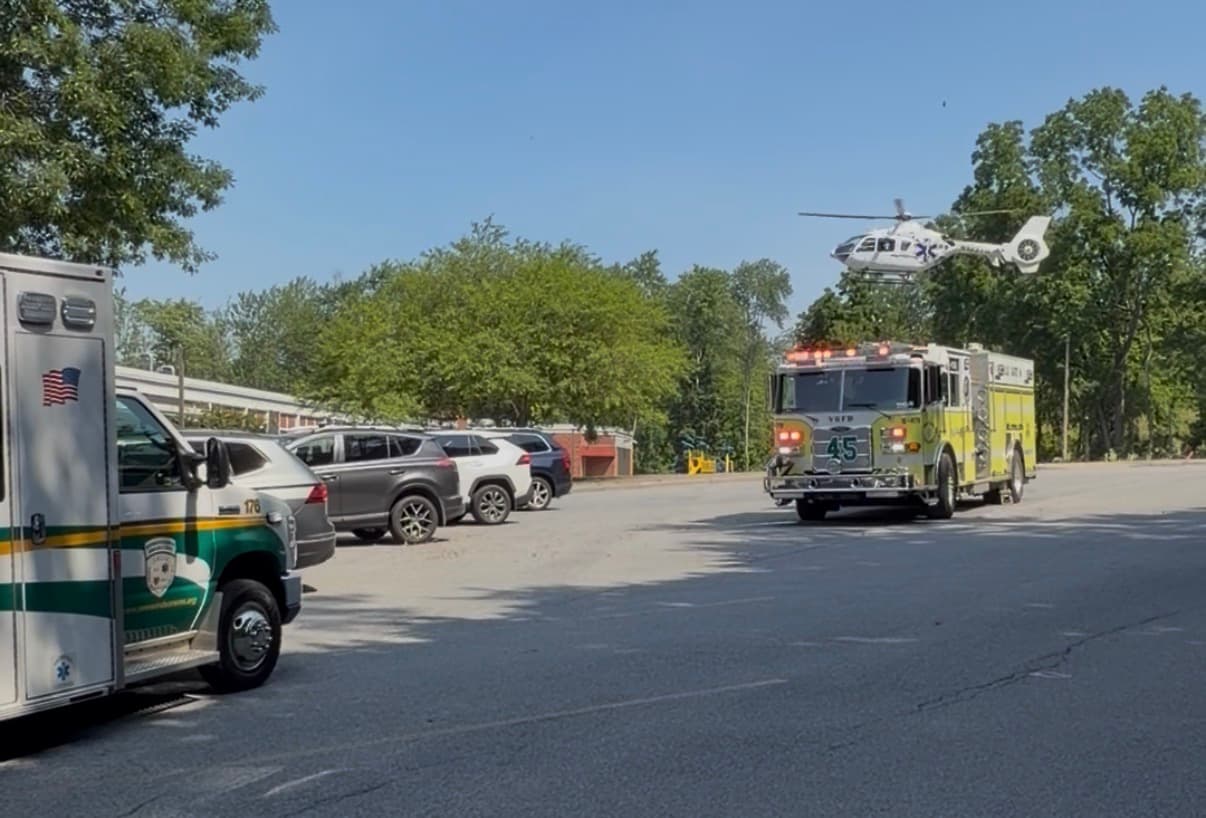
Orange County highlights crisis intervention team for mental health help
Orange County is building a crisis system meant to send mental-health emergencies to help first, with 24/7 call lines, mobile response and trained officers.
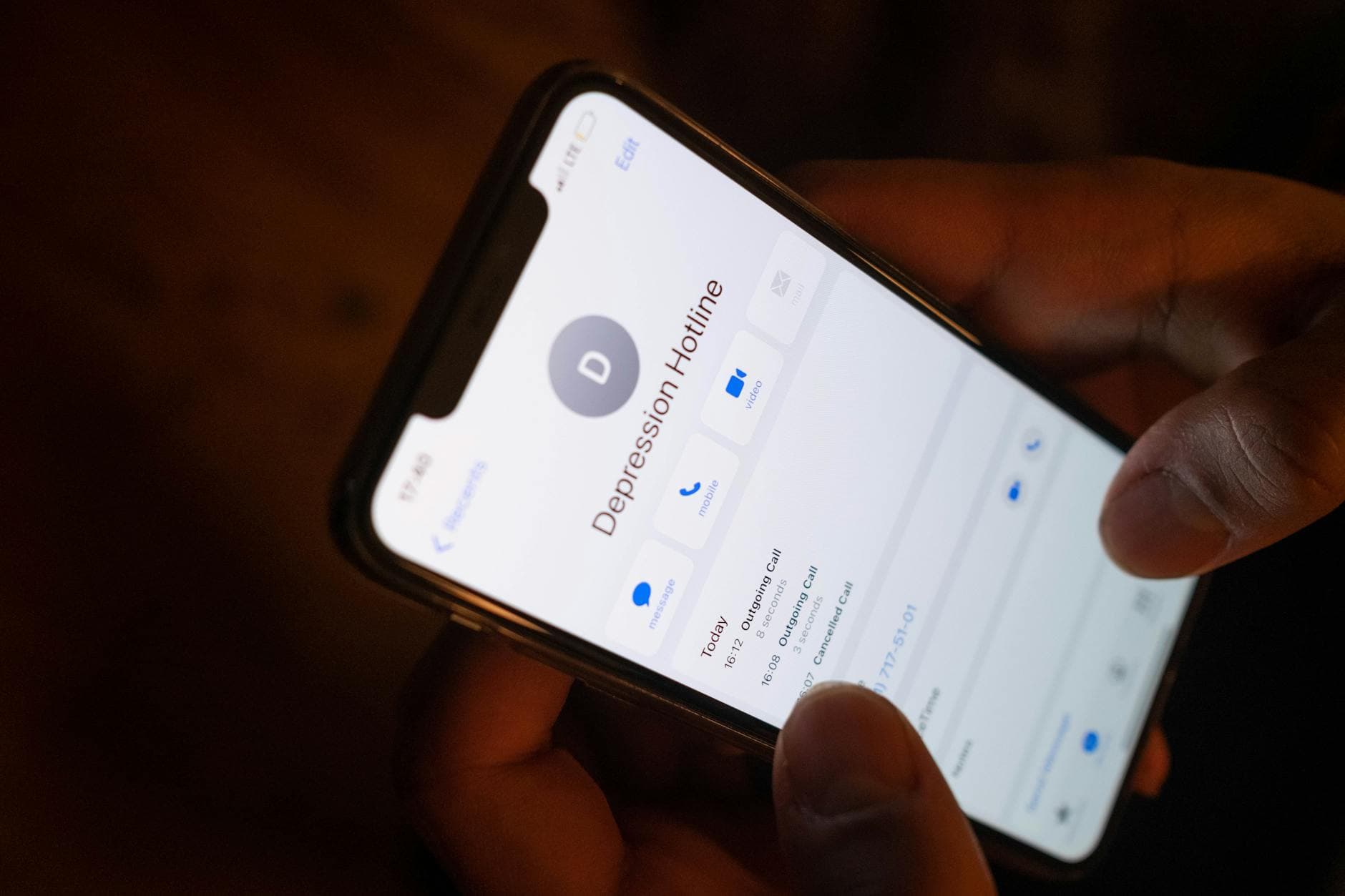
A crisis system designed to change the first response
Orange County is betting that the first minutes of a mental-health emergency can decide whether a family gets help or ends up in the justice system. County leaders are highlighting a long-running Crisis Intervention Team partnership with the Orange County Police Chiefs Association, saying the effort has trained law-enforcement officers since 2014 to respond differently when someone is in emotional distress or having a behavioral-health crisis.
The timing is intentional. The county elevated the program during Mental Health Awareness Month, framing it as both a public-safety update and a reminder that crisis response is not just about enforcement. County Executive Steve Neuhaus says the goal is to get people support quickly, reduce the risk of injury and improve the county’s ability to respond in a safer and more compassionate way.
How the county routes people to help
The center of the county’s system is the Orange County Crisis Call Center, which is co-located with 911 Emergency Response. That matters because it puts mental-health triage in the same pipeline as emergency dispatch, so a call does not have to be treated as either a medical issue or a police issue in isolation.
The call center can provide telephone support, assessment and warm referrals. If a situation needs more than a phone conversation, it can dispatch the Orange County Crisis Mobile Response Team for in-person support, crisis de-escalation and connection to services. The county also says a peer can be sent to meet someone in the community, a detail that signals the system is built around engagement, not just containment.
What happens when the call comes in
For families, the practical question is simple: who answers, and what happens next? Orange County’s model is meant to give dispatchers and responders more than one option. A caller can be connected to the Crisis Call Center, where staff can assess the situation and decide whether the right next step is a referral, a mobile team visit or another form of support.
That design follows a broader crisis-care approach used by the New York State Office of Mental Health, which describes crisis response as a continuum that includes prevention, recognition, response, de-escalation and follow-up. Orange County’s system fits that model by linking 911, call-center support, mobile outreach and behavioral-health services into one chain of response.
The numbers residents can use right now
Orange County has put several crisis contacts in front of the public so residents do not have to guess where to turn in an urgent moment:
- Crisis Call Center: dial 311 or 1-800-832-1200
- Suicide & Crisis Lifeline: dial 988
- Mobile Mental Health Team: 888-750-2266, available 24/7
Those numbers are the practical side of the county’s public-safety strategy. They are the front door to a system that is supposed to keep someone from falling through the cracks when a crisis is unfolding in real time.
Why officials say the model matters
The county’s message is not just that help exists, but that the county has spent years building a structure that can respond before a situation escalates. The CIT partnership dates to 2014, which gives Orange County something many public announcements lack: continuity. Officials can point to a program that is not a one-time initiative, but a standing law-enforcement and behavioral-health collaboration.
That matters because mental-health crises are often not static events. A person may be frightened, confused, agitated or unable to communicate clearly, and a standard arrest-first response can worsen the danger for everyone involved. Orange County’s pitch is that crisis-trained officers, paired with mental-health providers and community organizations, can widen the path to care and narrow the path to force, jail or injury.
The county’s broader mental-health system reinforces that point. Orange County’s Department of Mental Health says it serves people with mental illness, chemical dependency and developmental disabilities. That means the crisis network is not just about one type of emergency; it is tied to a larger behavioral-health structure that reaches beyond policing and into treatment, support and service connection.
What the public-safety reinvention plan adds
Orange County’s police-reform and reinvention plan makes the county’s direction even clearer. It calls for the use of non-police resources that can support crisis intervention, and for some calls for service to be deferred to appropriate social-service entities. It also includes an overview of mental-health services, which shows the county is trying to treat crisis response as a systemwide responsibility rather than a burden carried by officers alone.
That approach is especially relevant for the Orange County Sheriff’s Office, because the plan explicitly supports Sheriff’s response in crisis intervention. In practice, that means the county is trying to give deputies more options than a traditional law-enforcement playbook, especially when the call involves mental-health distress rather than criminal conduct.
The local payoff is straightforward. If the county can get a trained officer, a crisis clinician, a mobile team or a peer to the scene quickly, the encounter may end with transport to services, a warm handoff or follow-up care instead of a jail booking. That is the outcome officials are reaching for, and it is the one families care about most when someone they love is in crisis.
Why Orange County is treating this as a community issue, not just a police issue
This is bigger than one hotline or one unit. Orange County is describing a layered system in which police departments, mental-health providers and community organizations work together so that a crisis call can be steered to the right level of response. The county’s own framing suggests that safety and compassion are not competing goals here, they are supposed to work together.
For Orange County residents, that is the real test of the program. When distress hits, the county wants the first response to be one that recognizes a behavioral-health emergency for what it is, then moves quickly toward support. If the system works as designed, the result is not just fewer bad outcomes in the moment, but a better chance that a person in crisis gets help before the situation becomes a case for the justice system.
This article was produced by Prism’s automated news system from verified source data, official records, and press releases, then run through automated quality and moderation checks before publishing. The system is built and supervised by the people who set the standards it runs under. Read our full AI policy.
Did this article answer your question?