Orange County leaders urge state to delay climate law deadlines
Orange County leaders warned Albany that climate deadlines could hit gas prices, utility bills and local budgets before towns can adapt.
Orange County municipal leaders are pressing Albany to slow the Climate Leadership and Community Protection Act’s timetable, warning that the law’s deadlines now collide with post-pandemic inflation, supply-chain strain and shifting federal energy policy. In a March 22 letter to Senate Majority Leader Andrea Stewart-Cousins and Assembly Speaker Carl Heastie, they asked state lawmakers to revise the rollout rather than repeal the climate law outright.
The letter was signed by Middletown Mayor Joseph DeStefano, Newburgh Mayor Torrance Harvey, Warwick Village Mayor Michael Newhard and Orange County Legislators Sparrow Tobin and Virginia Scott. Their argument is not against climate action itself, but against the pace of implementation. DeStefano said he supports climate action in principle, but believes the state needs to push back the date or local governments will be in serious financial trouble.
The CLCPA was signed into law on July 18, 2019, before the pandemic reshaped supply chains, labor costs and municipal purchasing. Under the law, New York must cut economy-wide greenhouse gas emissions 40% by 2030 and at least 85% by 2050, measured against 1990 levels. State climate materials also call for 70% renewable electricity by 2030 and 100% zero-emission electricity by 2040, targets that will affect utility planning, grid investment and the price of energy for homes and businesses across Orange County.
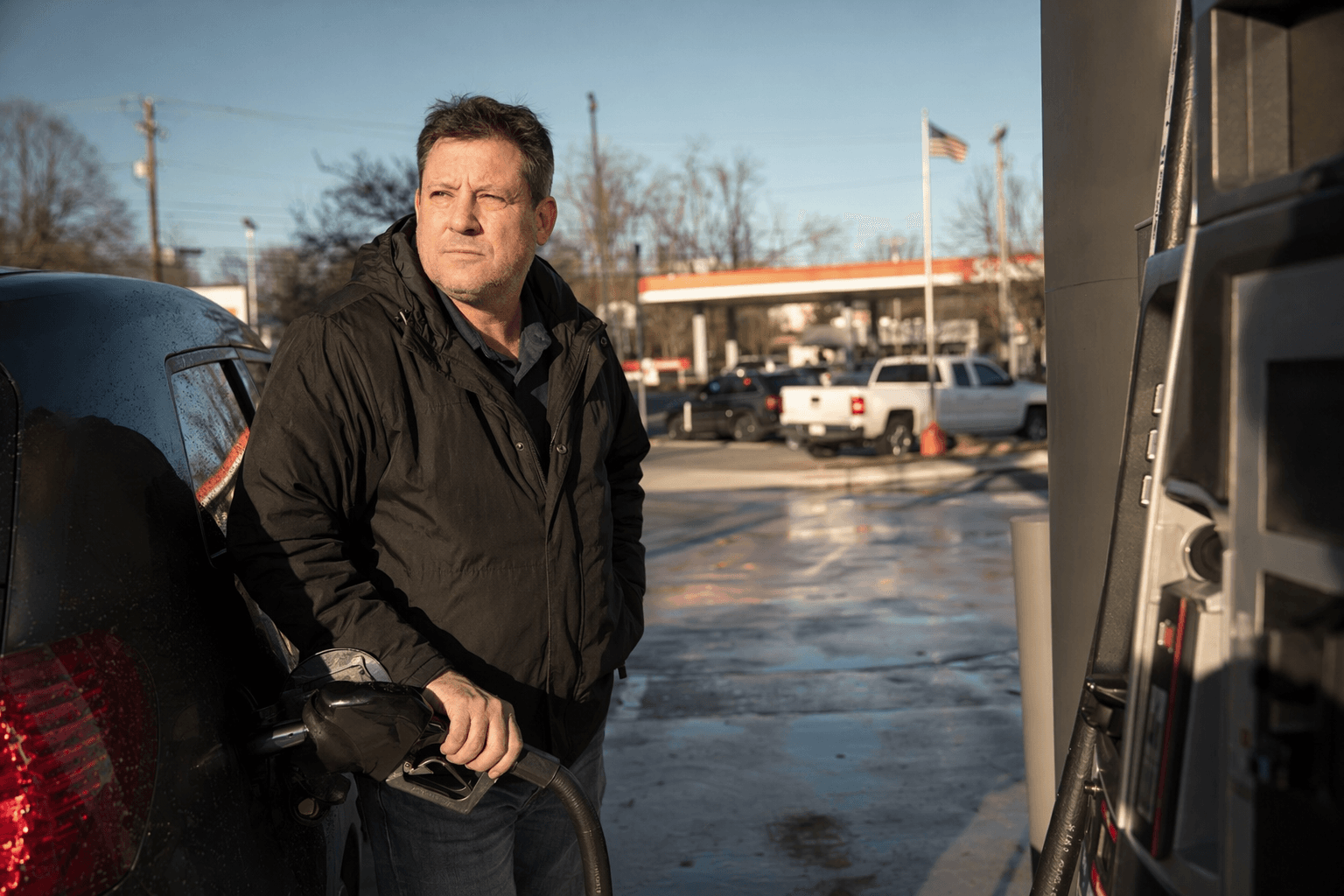
The officials are pointing to a 2026 NYSERDA analysis that says compliance with the current timeline could lift gas prices by more than $2.23 per gallon by 2031. Other coverage of the memo said some households could face roughly $4,000 or more in added annual energy costs, with upstate gas and oil households hit especially hard. For Middletown, Newburgh and Warwick, that warning goes straight to the question local leaders hear most often: how much more residents can absorb in fuel, heating and utility bills, and how much more pressure towns and villages can take on their own operating budgets.
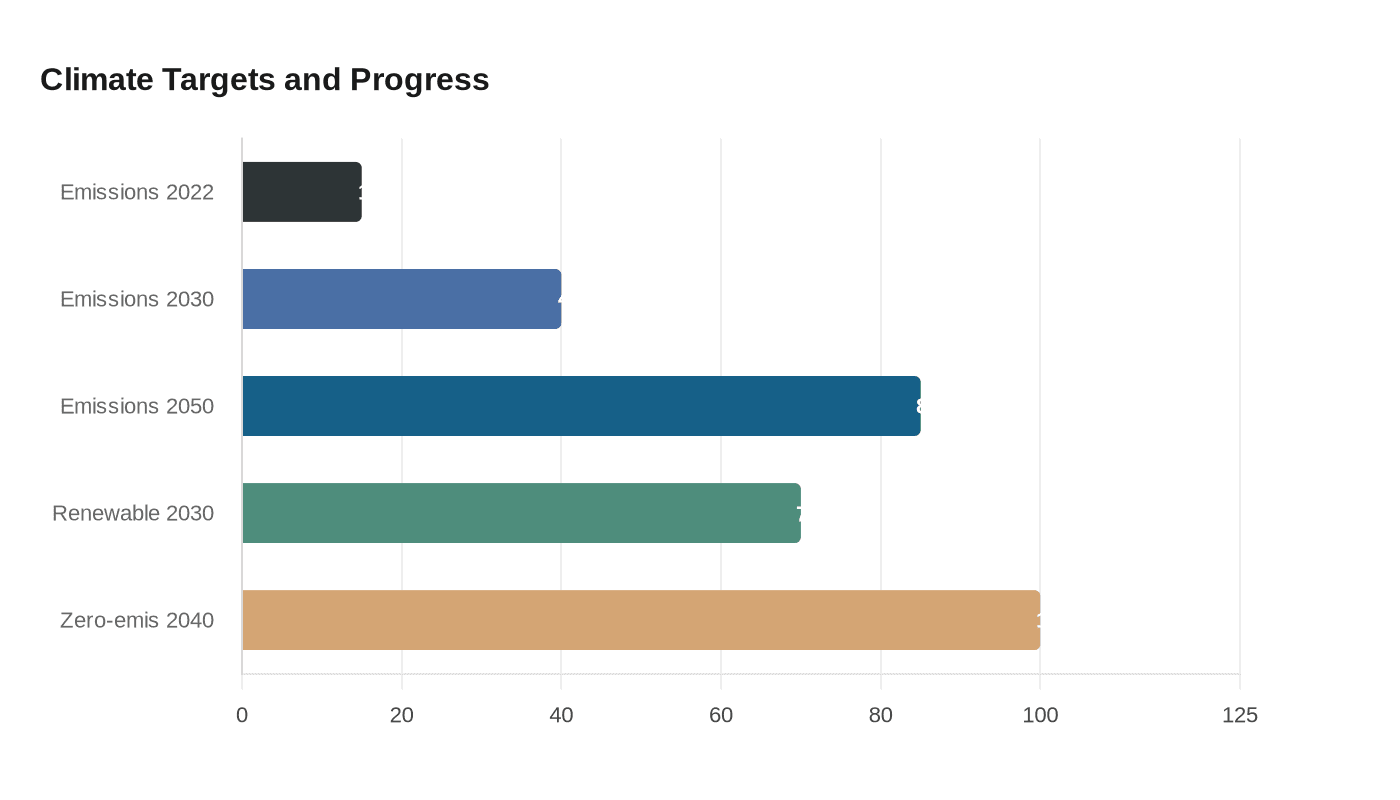
State climate dashboards show New York has already cut greenhouse gas emissions by about 15% from 1990 to 2022, but natural gas still supplies more than 40% of in-state electricity generation. That mix helps explain why Orange County officials are framing the fight as one of feasibility and timing, not rejection. They want the state to keep the emissions goals, but to reset the schedule before the next round of costs reaches municipal budgets and household bank accounts.
This article was produced by Prism’s automated news system from verified source data, official records, and press releases, then run through automated quality and moderation checks before publishing. The system is built and supervised by the people who set the standards it runs under. Read our full AI policy.
Did this article answer your question?