Orange Heritage Trailway Boosts Active Transit and Local Revitalization
The Orange Heritage Trailway is a 19.5-mile rail-trail running along the former Erie Railroad Graham Line between Harriman and Middletown, providing walking, cycling and recreational access for residents across Orange County. Its route and trailheads in Middletown, Goshen and Monroe connect parks, downtown areas and transit hubs, making the trail a growing asset for commuting, tourism and community health.
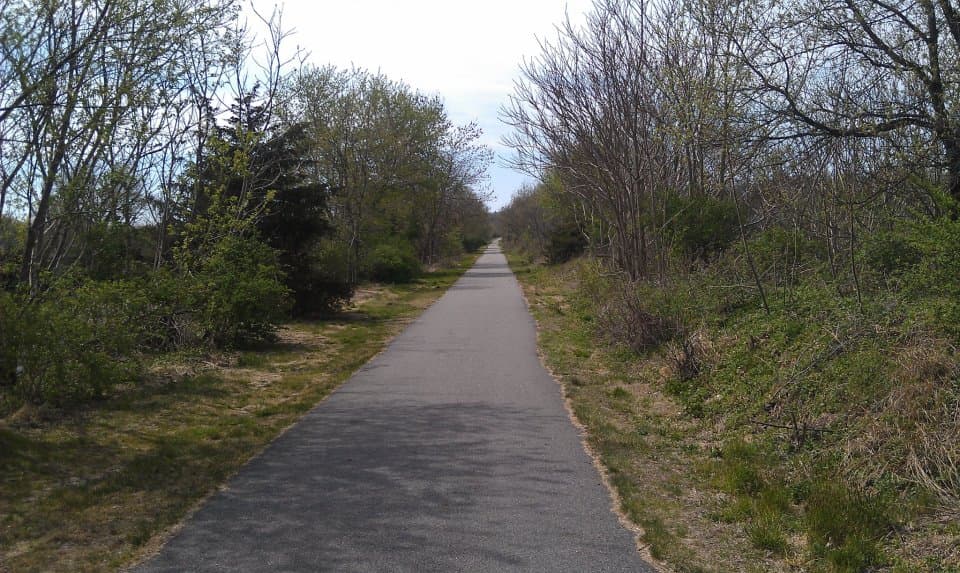
The Orange Heritage Trailway follows a 19.5-mile stretch of former railroad right-of-way from Harriman to Middletown, converting the Erie Railroad Graham Line roadbed into continuous space for walking, cycling and outdoor recreation. Trailheads in Middletown, Goshen and Monroe anchor the corridor and link neighborhood streets to parks, downtown business districts and regional transit hubs, increasing options for both daily travel and leisure.
Local governments and community groups share responsibility for maintaining segments of the trail and planning incremental improvements. That patchwork approach has preserved access while raising questions about continuity, upkeep and equitable investment. For many residents the trail is already a practical route to work, school and services; for others it is a place to walk, exercise and socialize. Health officials and community advocates note that trails like this expand opportunities for physical activity and safer active transportation, which can reduce chronic disease risk and improve mental health across populations.
Beyond health, the trail functions as an economic and civic asset. By connecting downtown areas and parks, the corridor supports tourism and downtown revitalization efforts that local leaders say can sustain small businesses and attract new visitors. Transit connectivity at multiple access points offers lower-cost commuting alternatives, potentially easing car dependence and traffic congestion for residents who rely on public transit or do not have regular access to a vehicle.
Despite those benefits, the trail's current condition highlights policy choices that affect equity. Incremental improvements under consideration include addressing gaps in maintenance, improving lighting and signage, ensuring ADA accessibility and coordinating winter maintenance to keep the corridor usable year-round. Where funding and planning responsibilities are split among municipalities and volunteer groups, residents in neighborhoods with fewer local resources may face slower improvements. That reality raises policy questions for county and municipal leaders about how to prioritize investment to serve low-income and transit-dependent communities.
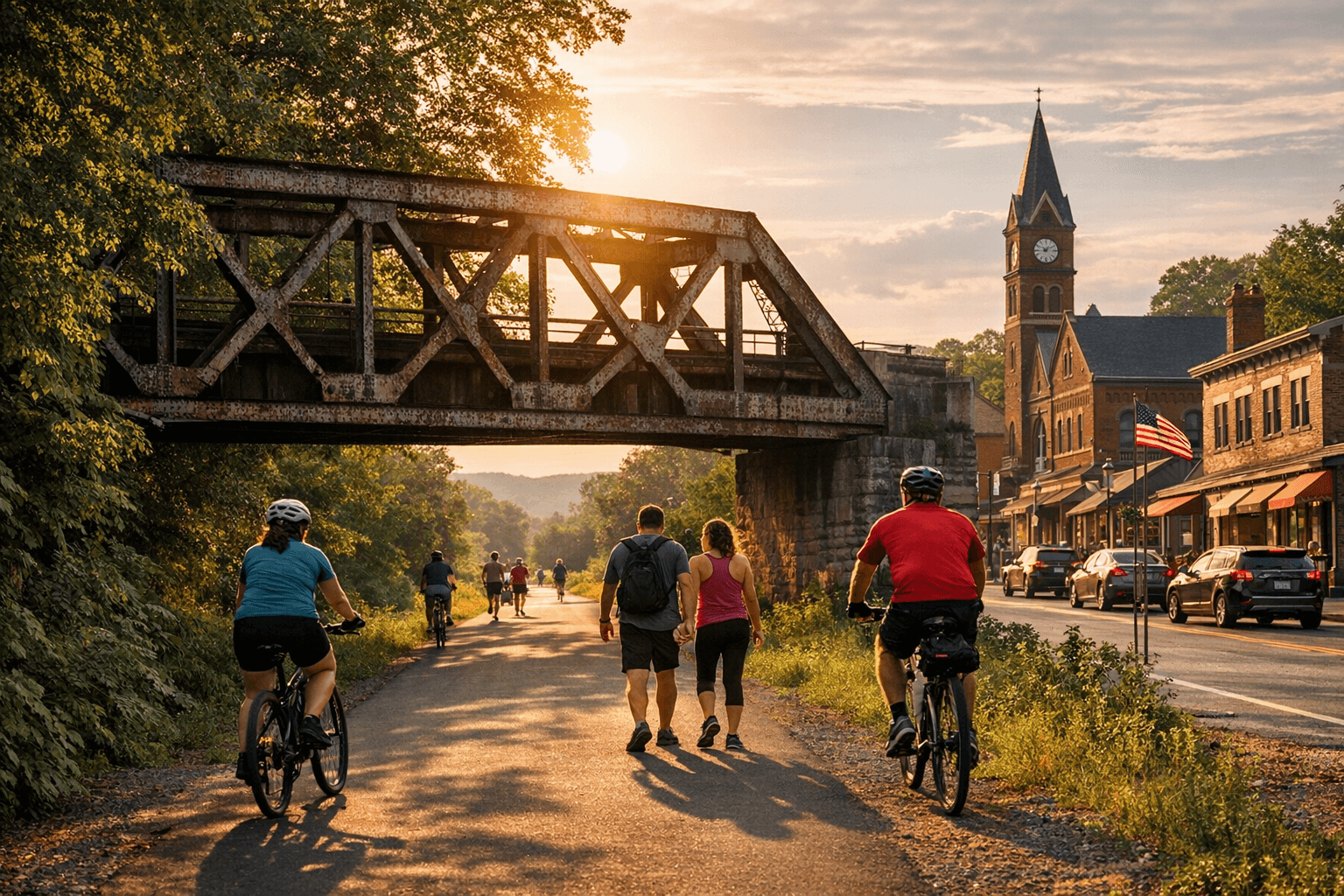
Public health agencies, planning departments and advocacy organizations can use the trail as a platform for outreach and programming that targets underserved populations. Simple measures such as secure bike parking at transit-linked trailheads, coordinated trail maps and schedules that align with bus service, and community-led safety patrols could strengthen both use and perception of safety.
As Orange County continues to invest in the trailway, the decisions made now will shape who benefits. Properly maintained and equitably managed, the Orange Heritage Trailway can be more than green space. It can be a connective spine for healthier, more accessible communities and a tangible driver of downtown renewal.
Know something we missed? Have a correction or additional information?
Submit a Tip

