Port Jervis Line Guide: How Orange County Riders Can Plan Commutes
Commuting from Orange County on the Port Jervis Line means navigating NJ Transit operations, Hoboken transfers, and a schedule thin enough that one disabled train can wreck your morning.
The Line, the Operator, and Why the Distinction Matters
A detail many Orange County riders miss until it costs them: the Port Jervis Line is a Metro-North Railroad service, but NJ Transit physically operates the trains west of Suffern. That split jurisdiction shapes everything from how delays are communicated to which app you need open on your phone. When something breaks down, Metro-North owns the schedule and the customer-service obligation; NJ Transit crews are running the equipment. Both agencies have to align for fixes to happen, which is one reason service disruptions on this line tend to linger longer than they do on Metro-North's core East-of-Hudson corridors.
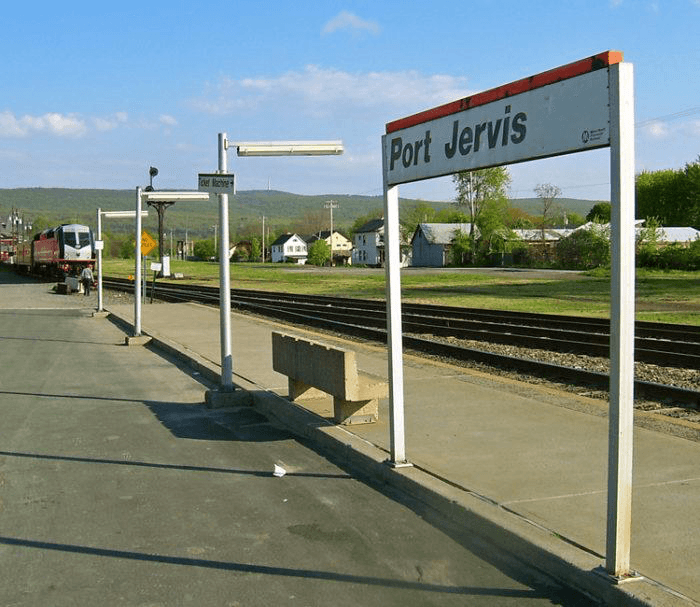
The line stretches from Port Jervis at its western terminus through seven Orange County stations: Port Jervis, Otisville, Middletown/Town of Wallkill, Campbell Hall, Salisbury Mills, Harriman, and Tuxedo. After crossing into Rockland County at Sloatsburg, trains stop at Suffern and then hand off to the NJ Transit network, rolling through Mahwah and continuing to Hoboken Terminal. From Hoboken, riders connect to Manhattan via PATH train, ferry, or other services. Those who use the Secaucus Junction transfer can reach NY Penn Station in midtown. Budget 75 to 120 or more minutes each way from stations closest to the county line; riders originating in Port Jervis or Otisville should plan for 120 to 150 minutes on a normal operating day.
Reading the Schedule Before You Leave the House
The MTA publishes a West-of-Hudson timetable as a downloadable PDF and maintains a web schedule page specifically for the Port Jervis Line. These are not identical to each other year-round: seasonal schedule changes, holiday alterations, and maintenance windows each produce new effective dates, and the PDF is the most reliable single reference because it shows the exact date from which it applies. Download it the night before any trip and verify the effective date printed on the document header matches the current period.
Weekday frequency is more limited than on Metro-North's Harlem or Hudson lines, which means missing a train by two minutes can cost 90 minutes of waiting. Weekend and holiday schedules reduce frequency further. The MTA posts special holiday timetables in advance, but they are not automatically pushed to you; you have to look for them. Set a reminder to check the schedule page the Wednesday before any federal holiday weekend.
Transfers, Connections, and Ticket Cross-Honoring
Riders connecting at Hoboken Terminal should have the NJ Transit app available alongside the MTA's TrainTime app, because the two agencies post departure-board data through separate systems. Real-time departure information for the Port Jervis Line populates inside TrainTime; once you are at Hoboken or Secaucus, you shift to the NJ Transit app for onward connections. Do not rely on memorized schedules at transfer points: minor delays upstream from Harriman or Campbell Hall can compress connection windows at Hoboken to under five minutes.
When major disruptions force service changes, the MTA has historically cross-honored West-of-Hudson tickets on the Hudson and Harlem lines, with parking permits honored at select East-of-Hudson stations. Secaucus Junction becomes the critical hub in those scenarios: riders who understand the Secaucus-to-Penn Station connection have a faster workaround than those waiting for bus bridge announcements at their home station. Keep that routing saved in your phone.
The Recurring Choke Points
Several patterns repeat often enough that riders can anticipate them. Trackwork between Harriman and Suffern, a stretch that runs alongside the Ramapo River, has historically been the line's most vulnerable segment: Hurricane Irene in 2011 caused 14 miles of damage and multi-month suspension of service north of Suffern. That geography has not changed. When heavy rain or flooding is forecast for the Ramapo Valley, assume the possibility of service interruption before official announcements confirm it. A $150 million infrastructure investment program ran from 2017 to 2023, which included selecting Campbell Hall as the site for a new midpoint maintenance yard, chosen specifically because a disabled train there blocks less of the line than it would at Harriman or Salisbury Mills.
Mid-week overnight maintenance windows are a separate, recurring disruption class. The MTA and NJ Transit schedule track work on weeknights, which can push buses into service on specific segments with altered departure times. These bus bridges are announced through MTA Service Advisories and station notices, but the lead time is inconsistent. If you commute Tuesday through Thursday and notice a flurry of MTA social-media posts in the afternoon, check the advisories before assuming your evening train runs normally.
If X Happens, Do Y: A Disruption Playbook
- If your train shows delayed more than 20 minutes on TrainTime: Check the MTA Service Advisories page for a bus bridge announcement. Do not wait on the platform assuming the train will recover; bus bridges depart from specific street-level stops that are not always adjacent to the station entrance.
- If NJ Transit suspends Port Jervis Line service entirely: Metro-North will typically cross-honor your West-of-Hudson ticket on the Hudson Line at Tuxedo or the Harlem Line at Suffern-area connections. Check the MTA's service alert page, not NJ Transit's, for the specific cross-honoring terms, because the two agencies publish separate instructions.
- If extreme weather is forecast: Build a carpool contact list with two or three co-commuters before the season, not during the storm. The MTA posts weather-related service decisions by 5 a.m. on affected days, but that still leaves most riders scrambling if they have no alternate plan.
- If you arrive to an empty parking lot or a lot closure: Middletown and Campbell Hall have had temporary partial lot closures. Before driving to the station, check the NJ Transit travel alerts page, which publishes parking-specific notices by station name.
Parking Rules by Station
Parking at Port Jervis Line stations falls under two separate regimes: lots managed by NJ Transit (for stations south of the Orange-Rockland county line area) and municipal rules for street and satellite parking. At Port Jervis city itself, off-street parking rules are enforced from December 1 through April 30, with no street parking permitted between 1 a.m. and 6 a.m.; violations carry a $40 fine. The city recommends calling the Port Jervis Police Department at 845-856-5101 for limited overnight permission when no adverse weather is predicted.
Station lots that became paid lots during the Orange County growth period of the 2000s require permits for overnight stays; leaving a car overnight without authorization risks a ticket or tow. Confirm overnight permit availability directly with NJ Transit's station-specific parking page before your first overnight stay. Local municipal websites for Wallkill, Goshen, and Montgomery often publish satellite parking maps near Campbell Hall, which serves all three towns and tends to fill fastest on peak commute days.
Getting a Refund and Documenting Delays
Metro-North's delay-refund policy requires that a train arrive at its final destination a specified number of minutes late for a credit to apply. The fastest way to initiate a refund request is through the MTA customer-feedback form online. For the refund to process, you need the train number and the originating station, both of which are on your ticket and on the TrainTime trip history. Screenshot your TrainTime departure board before you board on any day when delays are already visible; that timestamp is your documentation if you later need to dispute whether the delay qualified.
For chronic delays on a specific run, a single feedback submission rarely changes anything. File a formal complaint through the MTA customer-feedback form and then follow up in writing, because written submissions create a record that agency staff and oversight bodies can track. Safety incidents require a different path: call 911 first, then notify Metro-North Police and station staff so the incident is logged in the agency's own records.
Applying Pressure: Complaints and Elected Officials
Riders who want structural improvements rather than individual credits have one primary lever: elected officials whose districts overlap the line. Orange County's state legislators sit on committees that oversee MTA capital funding and NJ Transit contracts. Governor Hochul's 2025 State of the State address proposed a transit analysis specifically examining West-of-Hudson service options and major employer access in Orange County, including shuttle alternatives. That proposal exists partly because organized rider feedback reached Albany. If you commute on the Port Jervis Line and face chronic delays, contact the offices of your State Assembly member and State Senator and reference the specific train run and the frequency of delay; agencies respond faster to legislative inquiries than to individual complaints.
The MTA's transparency and metrics pages publish annual performance data for Metro-North, including on-time performance by line. Bookmark that page and cross-reference it against your own experience; if the published on-time rate for the Port Jervis Line diverges sharply from what you observe in a given quarter, that gap is the most useful data point to bring to a constituent meeting with your legislator.
This article was produced by Prism’s automated news system from verified source data, official records, and press releases, then run through automated quality and moderation checks before publishing. The system is built and supervised by the people who set the standards it runs under. Read our full AI policy.
Did this article answer your question?