Rep. Josh Riley vows action on rural health, utility costs
Rep. Josh Riley outlined 2026 priorities: stabilizing rural hospitals, tackling high utility bills, supporting local agriculture and addressing constituent concerns about Gaza.
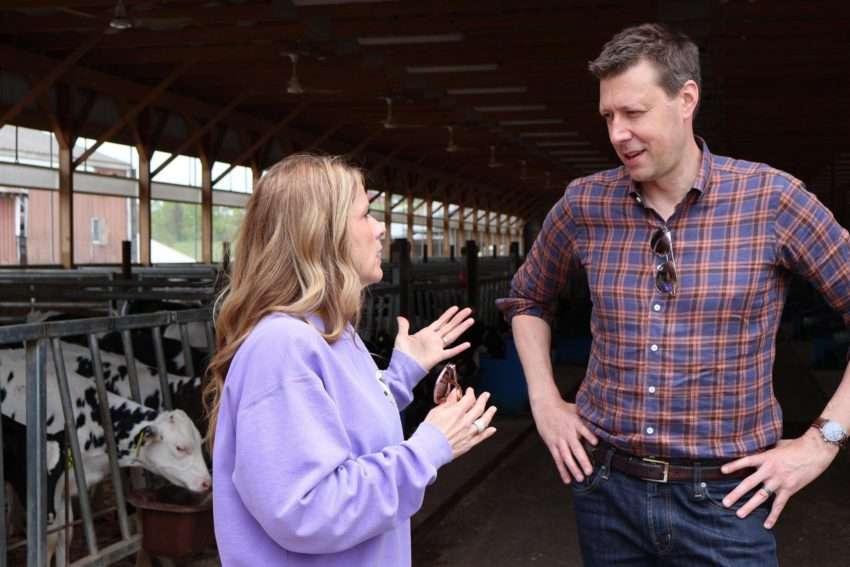
Rep. Josh Riley used an interview on January 5 to cast his first year in Congress as groundwork for a 2026 agenda centered on immediate constituency needs: rural health care, utility affordability, local agriculture and responding to constituent concerns tied to the war in Gaza.
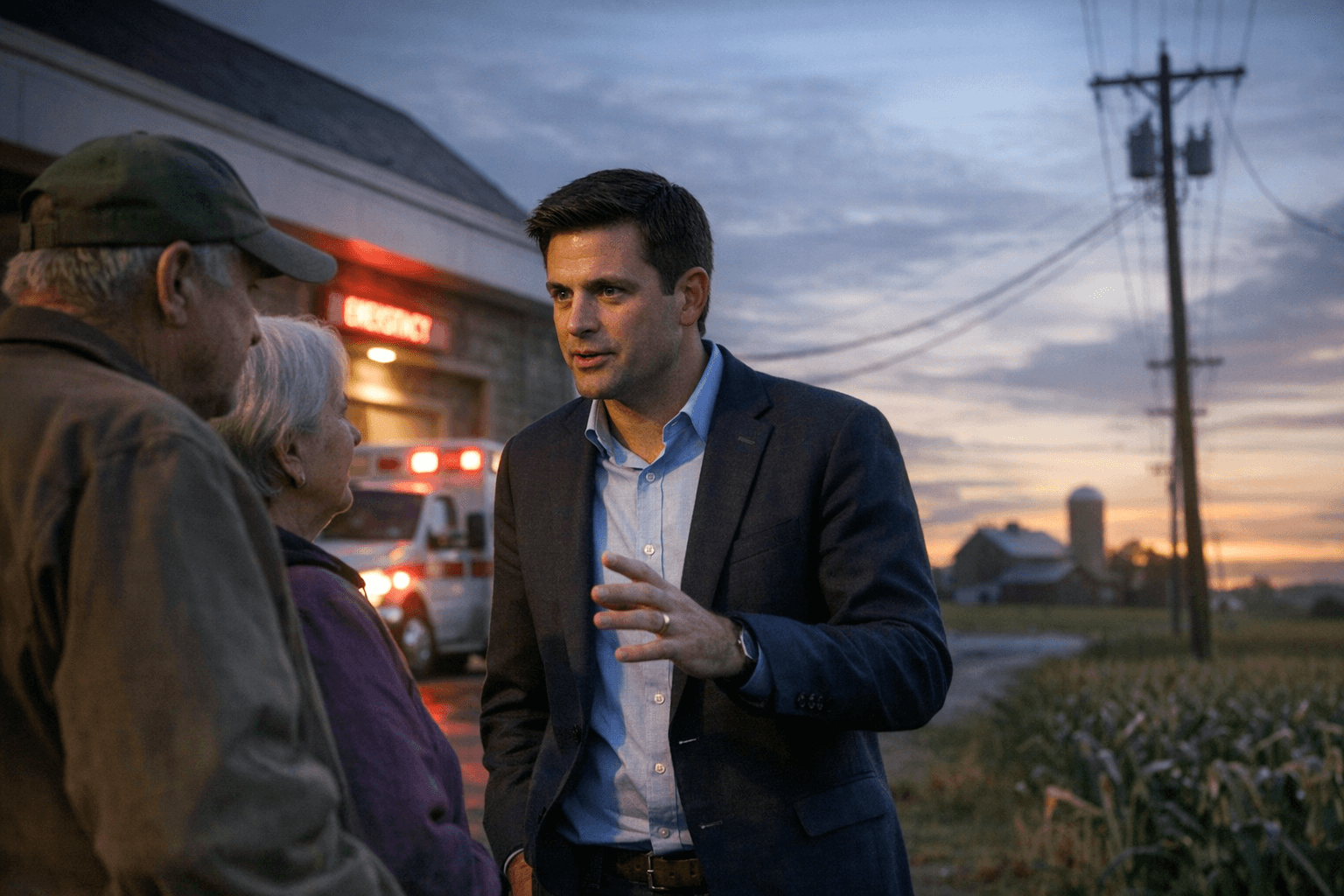
Riley framed health care as a pressing local problem, saying the rural system is under strain and identifying the provider pipeline as a priority. He has sponsored legislation aimed at strengthening that pipeline and co-sponsored the Rural Hospital Stabilization Act, a measure intended to provide support for rural hospitals that serve small communities and safety-net populations. For residents who rely on nearby clinics and hospitals, his focus signals a push to prevent further service losses and to shore up staffing in understaffed practices.
High utility bills were another focus. Riley emphasized affordability and outlined legislative pushes targeting utility company practices. Among the proposals he highlighted is a bill to ban CEO bonuses tied to rate increases, and he signaled support for an investigation into pricing by regional utilities. Those measures, if advanced, could affect pending rate cases and regulatory scrutiny that determine household and business energy costs across the district.
Riley also addressed constituent debate over the war in Gaza, acknowledging public protests and concerns about his positions while emphasizing a desire for peace. He framed his approach as responsive to the community’s voices rather than as a matter of national posture.
On agriculture and school nutrition, Riley pointed to efforts to restore federal programs that support buying local food for schools and food banks. That policy push aims to boost demand for products from area farmers, including dairy producers he met with in May 2025, while strengthening school lunch options and food bank supplies. For Orange County farmers and school food-service directors, restored procurement programs could mean steadier markets and fresher produce in cafeterias.
Politically, Riley presented his priorities as practical, constituent-driven work ahead of the midterm contest. He said he will continue listening to residents as campaigns ramp up, framing policy action as the best response to local pressures rather than partisan signaling.
The takeaway? If you care about clinics staying open, bills you can pay and more local food in schools, these are the issues to watch this year. Contact your representative, follow utility rate proceedings at the Public Service Commission, and look for local meetings about school and food bank procurement, those are the venues where residents can influence how these promises translate into results. Our two cents? Stay engaged and bring specific examples from your town when you show up.
This article was produced by Prism’s automated news system from verified source data, official records, and press releases, then run through automated quality and moderation checks before publishing. The system is built and supervised by the people who set the standards it runs under. Read our full AI policy.
Did this article answer your question?