Wallkill limits roosters in denser neighborhoods after resident complaints
Wallkill’s new rooster rule leaves 10-acre lots and rural sections open while tighter neighborhoods like Scotchtown and Mechanicstown get relief from dawn crowing.
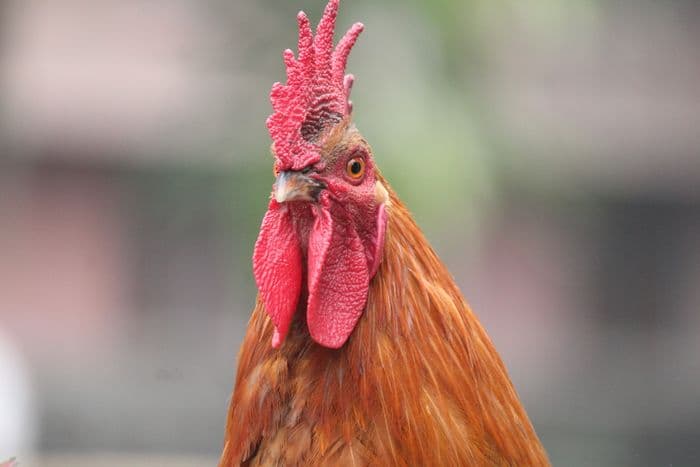
Roosters will no longer be equally welcome across Wallkill. After complaints from residents in denser neighborhoods, the town board approved a new law that limits where roosters can be kept, drawing a line between rural property rights and the expectation of a quiet morning.
The change reflects Wallkill’s split personality. The town stretches from the Middletown city area in the south to the Sullivan County border in the north, and attitudes about crowing roosters change with the landscape. In the more rural sections, some residents see the birds as part of the local character. In the denser neighborhoods, the early-morning noise had become enough of a nuisance to prompt action.
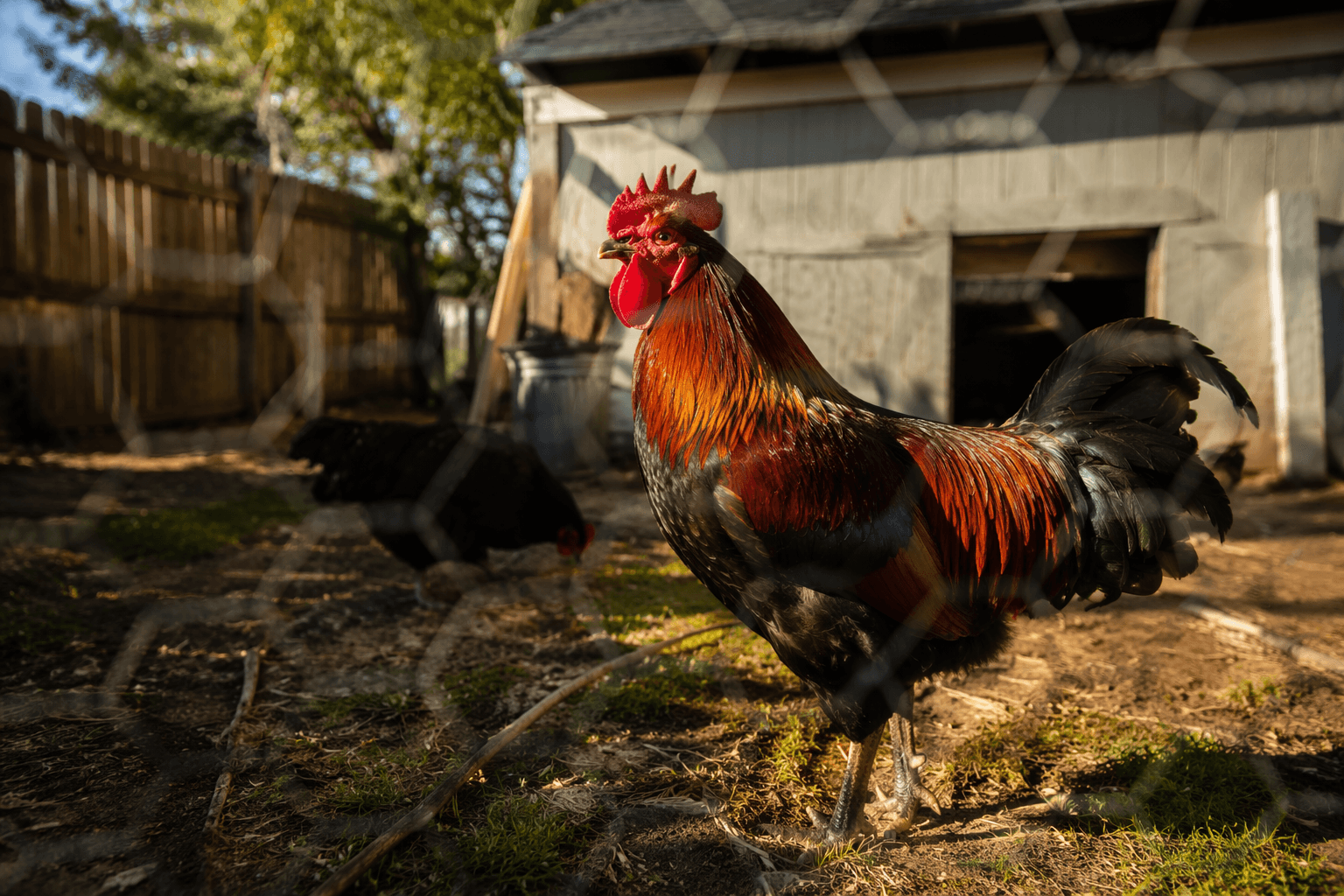
Town Councilman Mark Coyne said the measure was meant to balance those competing realities. Under the new rule, property owners with at least 10 acres can keep roosters without issue, and the northern and western parts of town, where larger lots are more common, are treated differently from places such as Scotchtown and Mechanicstown.
The law is not a blanket ban on backyard poultry. Wallkill already allowed chickens in certain areas, and the new regulation extends that zoning-style approach to roosters, which are far more likely to trigger repeated complaints because of their crowing. The board’s action gives residents with larger parcels more freedom while limiting the impact on neighbors who live closer together.
For homeowners considering keeping roosters, the practical question now is no longer simply whether the birds are allowed, but where the property sits and how much land comes with it. That makes the law a clear winner for rural households with 10 acres or more, and for neighbors in tighter subdivisions who had been living with an unwanted alarm clock before sunrise.
It also puts Wallkill in a familiar local-government position: stepping in when a small-sounding dispute becomes a steady quality-of-life issue. In this case, the town chose not to strip away backyard poultry altogether. Instead, it carved out a map that favors the town’s open, agricultural corners while giving denser neighborhoods a little more peace.
This article was produced by Prism’s automated news system from verified source data, official records, and press releases, then run through automated quality and moderation checks before publishing. The system is built and supervised by the people who set the standards it runs under. Read our full AI policy.
Did this article answer your question?