Winter Hiking Guide for Schunnemunk Mountain and Harriman Trails
Schunnemunk Mountain and nearby Harriman State Park offer Orange County residents scenic winter hiking, snowshoeing, and challenging ridgetop terrain, but icy conditions and short daylight create real safety risks. This guide outlines access points, winter safety steps, permit rules, and local resources to help residents recreate responsibly while minimizing strain on emergency services and preserving equitable access.
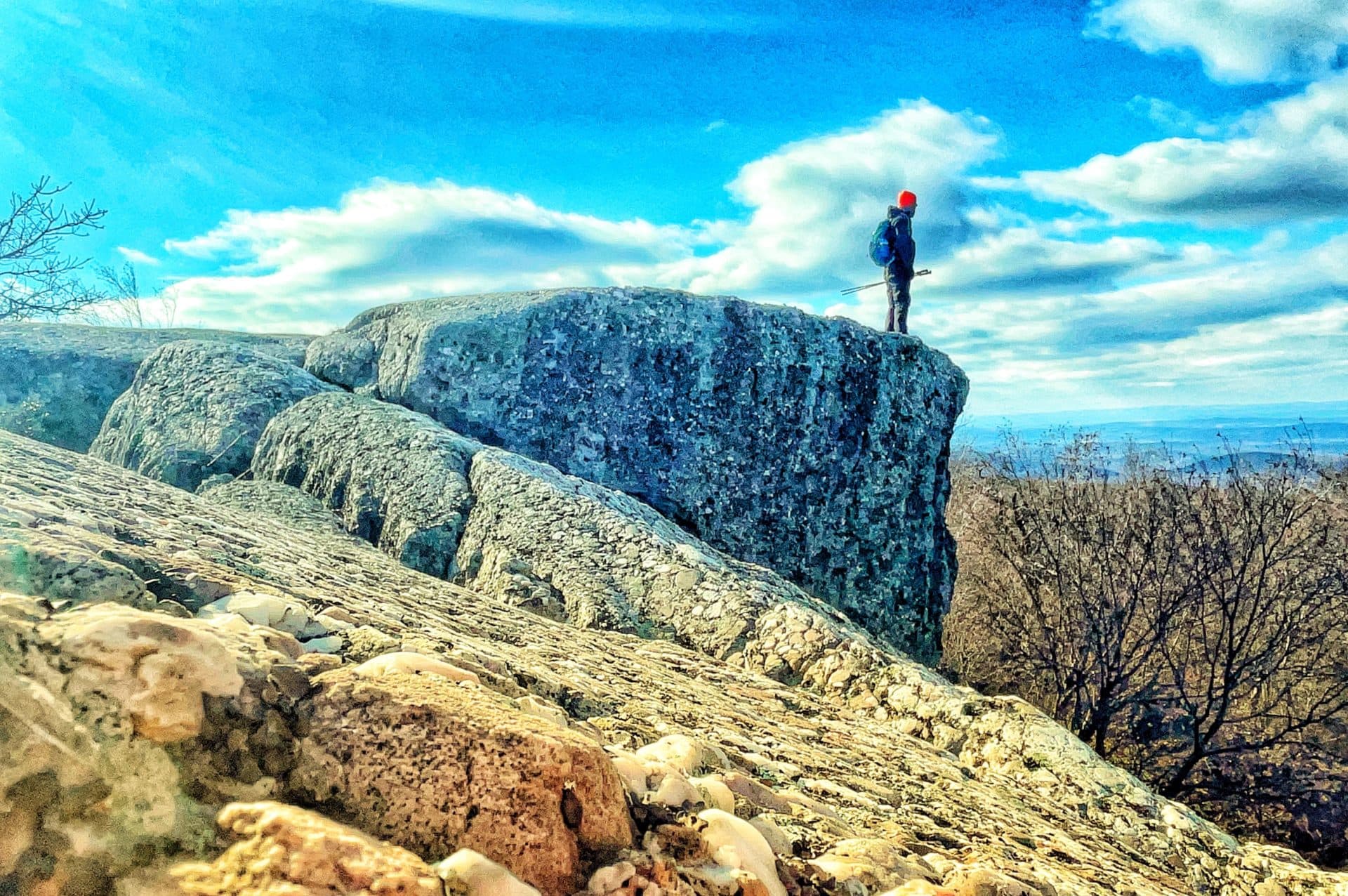
Schunnemunk Mountain, part of the Highlands region near the Orange and Rockland county border, and the nearby Harriman State Park are popular winter destinations for hikers and snowshoers from Orange County. The area features rugged ridgetop views, distinctive puddingstone cliffs, and a mix of maintained and multi-use trails that draw visitors throughout the colder months. Winter conditions on these routes include icy sections, variable footing, and limited daylight, making preparation essential.
Primary Schunnemunk access points include the Route 17A and Reeves Hill area, with additional sections reachable from county roads and park access roads. Harriman State Park provides several trailheads off Seven Lakes Drive, Route 9W, and park parking areas. Seasonal parking rules vary by lot and by season; consult official park pages for exact parking locations and any posted restrictions before you leave.
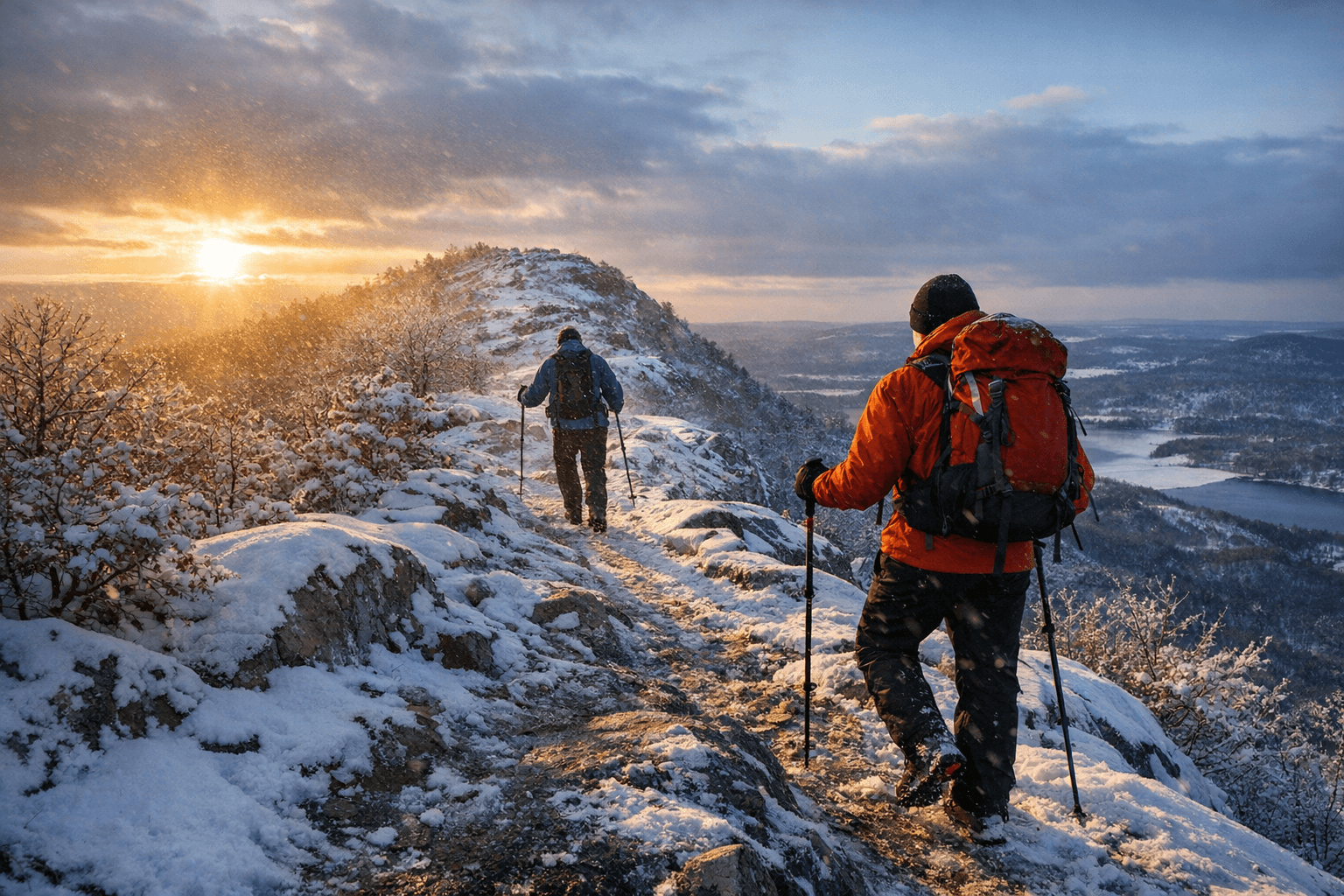
Safer winter hiking starts with proper gear and planning. Wear traction devices such as crampons or microspikes, dress in layers to manage changing temperatures, and carry navigation tools including a map, compass, and headlamp. Tell someone your intended route and estimated return time, and plan for longer than expected travel times on slippery or snow-covered trails. Steep rock faces and ledges become treacherous when wet or iced; avoid unmarked shortcuts and turn back if conditions exceed your skills.
Permits are generally not required for day hiking in these areas, but state and county rules still apply. Follow posted regulations for dogs, fires, and trail closures, and respect seasonal advisories posted by park authorities. Observing closures protects fragile environments and reduces risk to visitors and rescuers.
Public health and community implications extend beyond individual safety. Hypothermia, falls on ice, and delayed rescues can increase demand on local emergency medical services and search and rescue teams. Proper preparation reduces injuries and helps protect limited county resources. Equity issues also matter: limited parking and lack of public transit to trailheads can restrict access for residents without cars. Investment in clear signage, expanded outreach on winter trail safety, and funding for trail maintenance can make these natural assets safer and more accessible to a broader cross section of Orange County residents.
Before heading out this winter, check the New York State Parks website and the Orange County Parks & Recreation pages for current trail advisories, closures, parking guidance, and contact numbers. In an emergency call 911. Responsible planning preserves both visitor safety and the long-term health of Schunnemunk and Harriman for the whole community.
Know something we missed? Have a correction or additional information?
Submit a Tip

