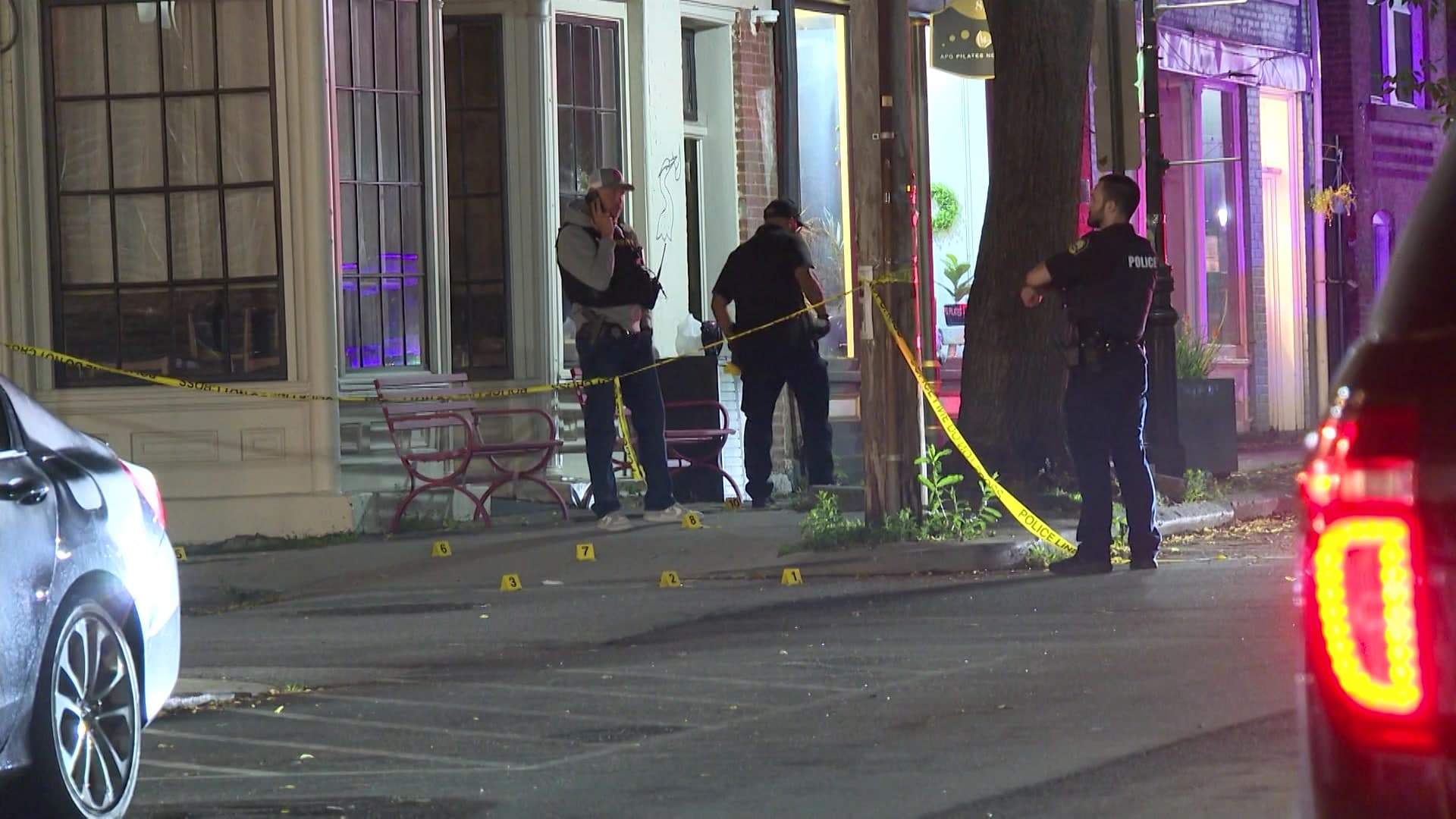
Woodbury seeks Albany approval for red light cameras near Woodbury Common
Woodbury moved to seek Albany approval for cameras at Route 32 by Woodbury Common, where holiday backups and red-light running collide.
The Woodbury Town Board has put one of Orange County’s busiest intersections on Albany’s desk. At its May 7 meeting, the board authorized Supervisor Jacqueline Hernandez to sign home rule forms asking the New York State Legislature for permission to install red-light cameras at the divergent diamond on State Route 32 by Woodbury Common, a traffic node the town sees as both highly visible and especially vulnerable to holiday gridlock.
The town’s pitch is straightforward: improve public safety, reduce crashes, and push drivers to obey the signal. Hernandez also framed the cameras as a way to measure whether the fix works, a useful test at a corridor where one bad turn can back traffic up through the shopping area and create the kind of intersection blocking that turns congestion into a crash risk. If Albany approves a program modeled on New York City’s, the ticket would be a $50 civil penalty mailed to the vehicle’s registered owner, and the notice would not carry driver-license points.
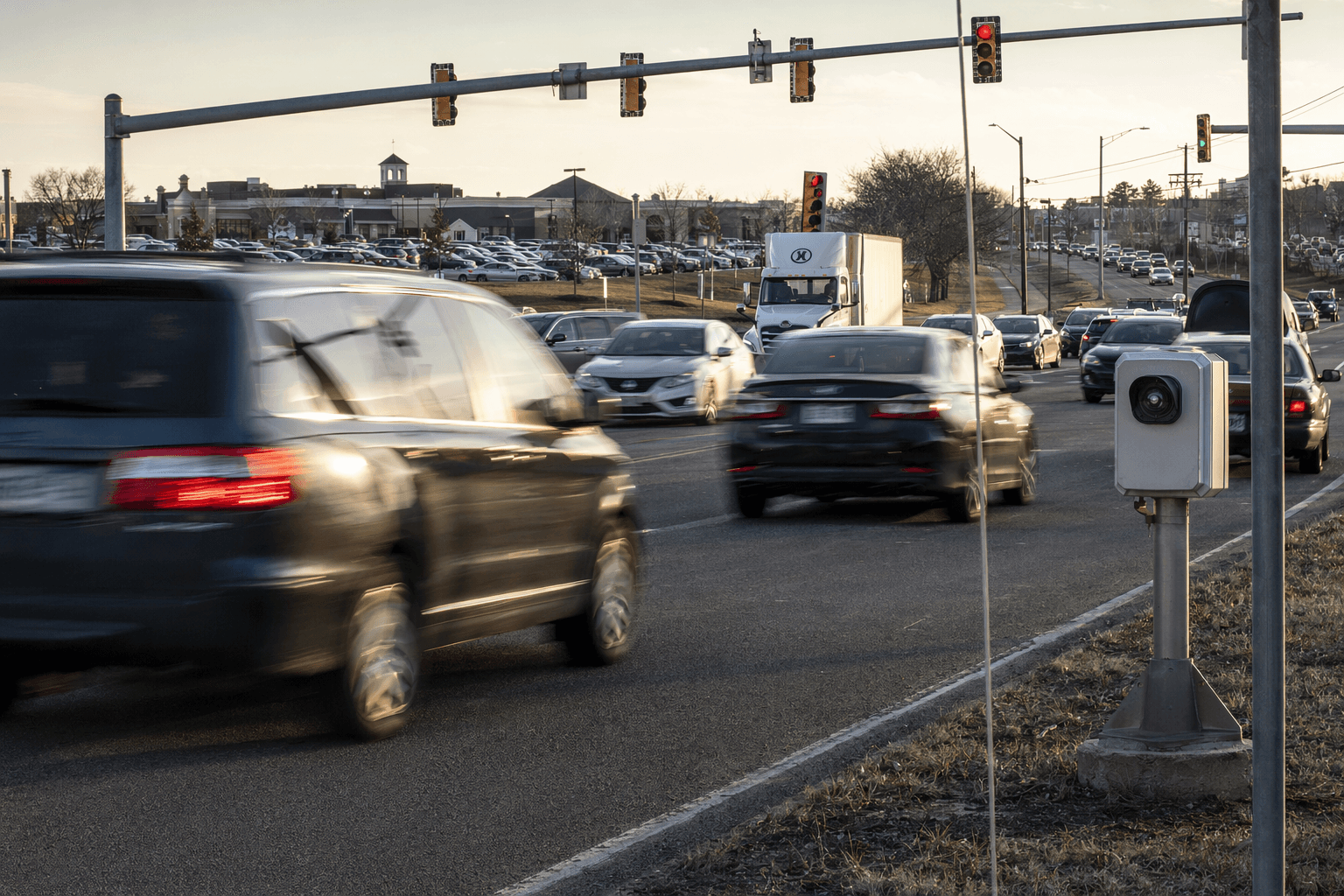
Woodbury’s strategy fits a familiar New York pattern. Towns cannot simply create red-light camera programs on their own; they use the Municipal Home Rule process to ask Albany for special legislation. Gov. Kathy Hochul signed a package in October 2024 that extended or created red-light camera programs in New York City, White Plains, Albany, Nassau County, Greenburgh, Mount Vernon and New Rochelle, while also expanding New York City’s program from 150 to 600 intersections.
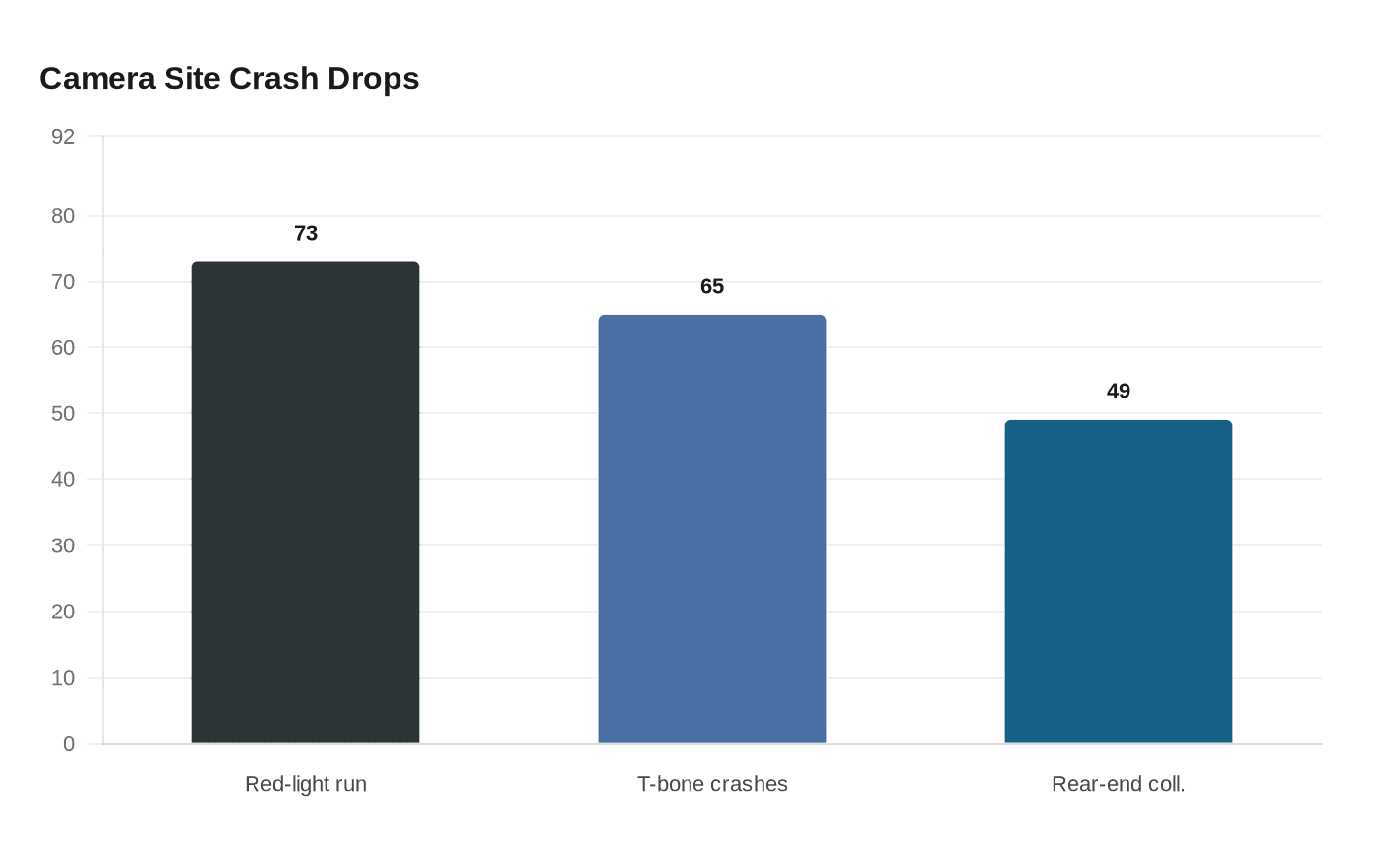
The policy argument rests on more than local frustration. New York City’s red-light camera review says violations at camera sites fell sharply over time, and its 2024 report credits the program with cutting red-light running and reducing severe crashes, including a 73 percent drop in red-light running, a 65 percent drop in T-bone crashes and a 49 percent drop in rear-end collisions at camera locations. The Governors Highway Safety Association says automated enforcement is intended to improve compliance and reduce crashes, and it cites an estimated 127,000 injuries in red-light-running crashes in the year referenced in its materials.
Not everyone at the Woodbury meeting put the blame on enforcement. One resident said the bigger problem may be poorly synchronized signals, with drivers moving through one green only to get trapped at the next red. Another raised County Route 105, where Hernandez said rumble strips and sign lights had already been installed under the previous administration and more proposals were being prepared for the county. She also defended Woodbury’s two-year supervisor term as a guardrail against complacency, underscoring how the camera debate sits alongside a broader question of how the town manages traffic, spending and accountability.
This article was produced by Prism’s automated news system from verified source data, official records, and press releases, then run through automated quality and moderation checks before publishing. The system is built and supervised by the people who set the standards it runs under. Read our full AI policy.
Did this article answer your question?