DNR warns of high fire risk, trail caution in Otter Tail County
Dry winds and low humidity have kept Otter Tail County under spring burning restrictions, with campfires, brush piles and trail plans all needing closer checks.
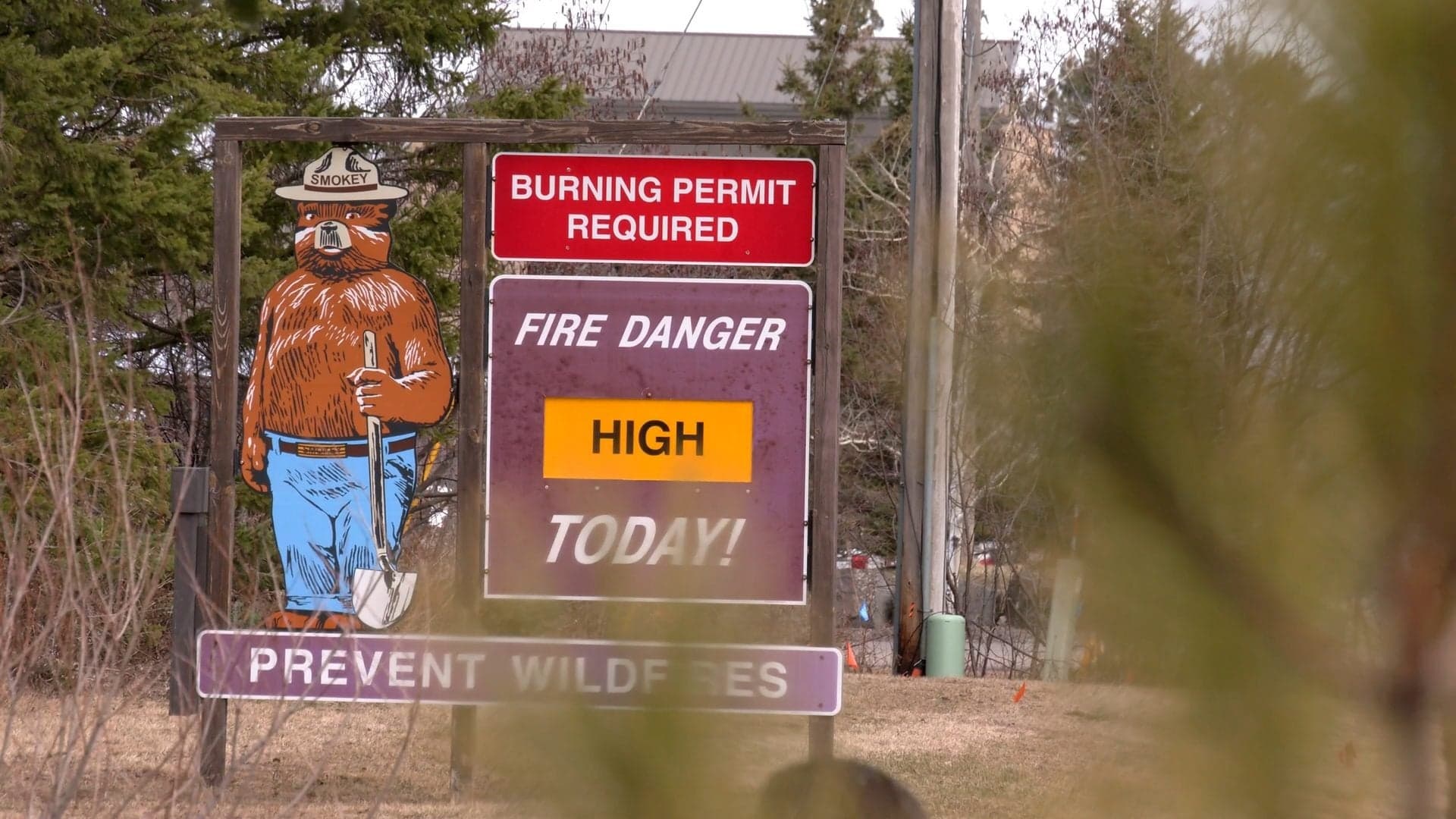
Otter Tail County campers, cabin owners and anyone planning to burn brush faced another week of dry ground, fast-changing trail conditions and a wildfire risk that has kept spring burning restrictions in place across the county.
The Minnesota Department of Natural Resources said its fire danger and burning restrictions maps are updated daily and refresh automatically every five minutes, and that current restrictions vary by county. In Otter Tail County, that means checking the statewide map before heading to a state park, state trail or state forest, because conditions can change quickly in northwest Minnesota and across lakes country.
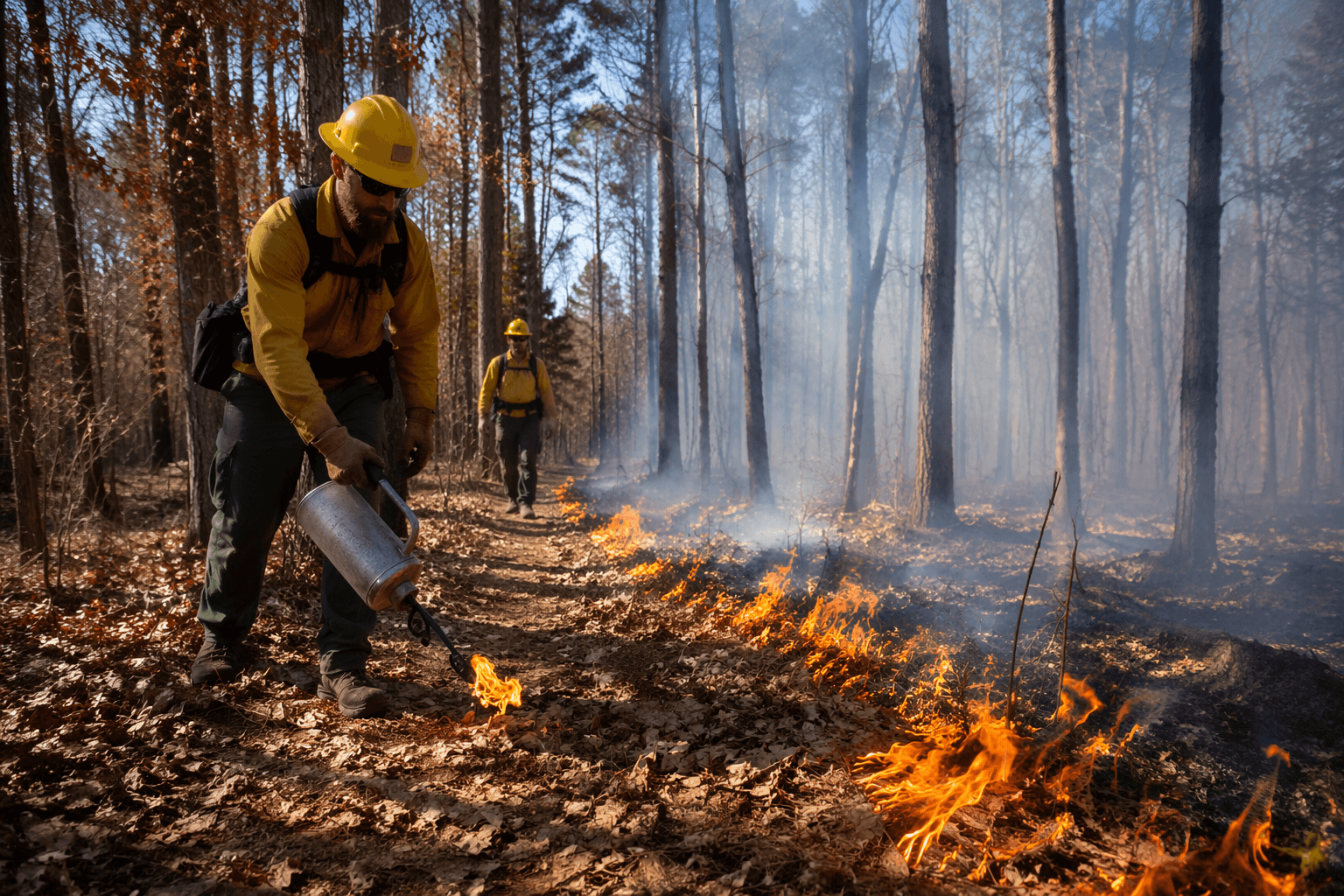
The DNR said dry conditions continued across Minnesota on May 21 despite rain earlier that week. Warm temperatures, wind and low humidity can dry out grasses and leaves in as little as one hour and small branches and twigs in just 10 hours. Otter Tail County was already under spring burning restrictions in an April 19 DNR release and was also included in a May 15 Red Flag Warning covering 54 Minnesota counties, when the National Weather Service warned of extreme fire risk conditions.
That warning carried direct limits for people clearing yards, farm edges or cabin lots. The DNR said it would not issue or activate open burning permits for large vegetative debris burning during the Red Flag Warning, and it continues to discourage campfires when conditions are this dry. Campfires have caused wildfires, the agency said, and anyone who does light one needs to keep it smaller than 3 feet by 3 feet, use an established fire ring and drown, stir and repeat until the ashes are cold.
For farmers, seasonal property owners and outdoor businesses that see spring cleanup and early-summer traffic at the same time, the message is to change plans now, not after smoke starts. The DNR says escaping debris fires are the state's number one cause of wildfires and that more than 99% of Minnesota wildfires are caused by people. Instead of burning brush or yard waste, the agency recommends composting, chipping or taking the material to a collection site.
A prolonged dry spell would keep those restrictions in place longer, raise the odds of trail and campground disruptions and send more work to local fire crews. The DNR says burning restrictions have helped reduce wildfires by more than 30% over the past decade, and residents can get fire-risk text alerts by texting FIRE to 66468.
This article was produced by Prism’s automated news system from verified source data, official records, and press releases, then run through automated quality and moderation checks before publishing. The system is built and supervised by the people who set the standards it runs under. Read our full AI policy.
Did this article answer your question?


