East Otter Tail County Museum uncovers 2,500 items in deep clean
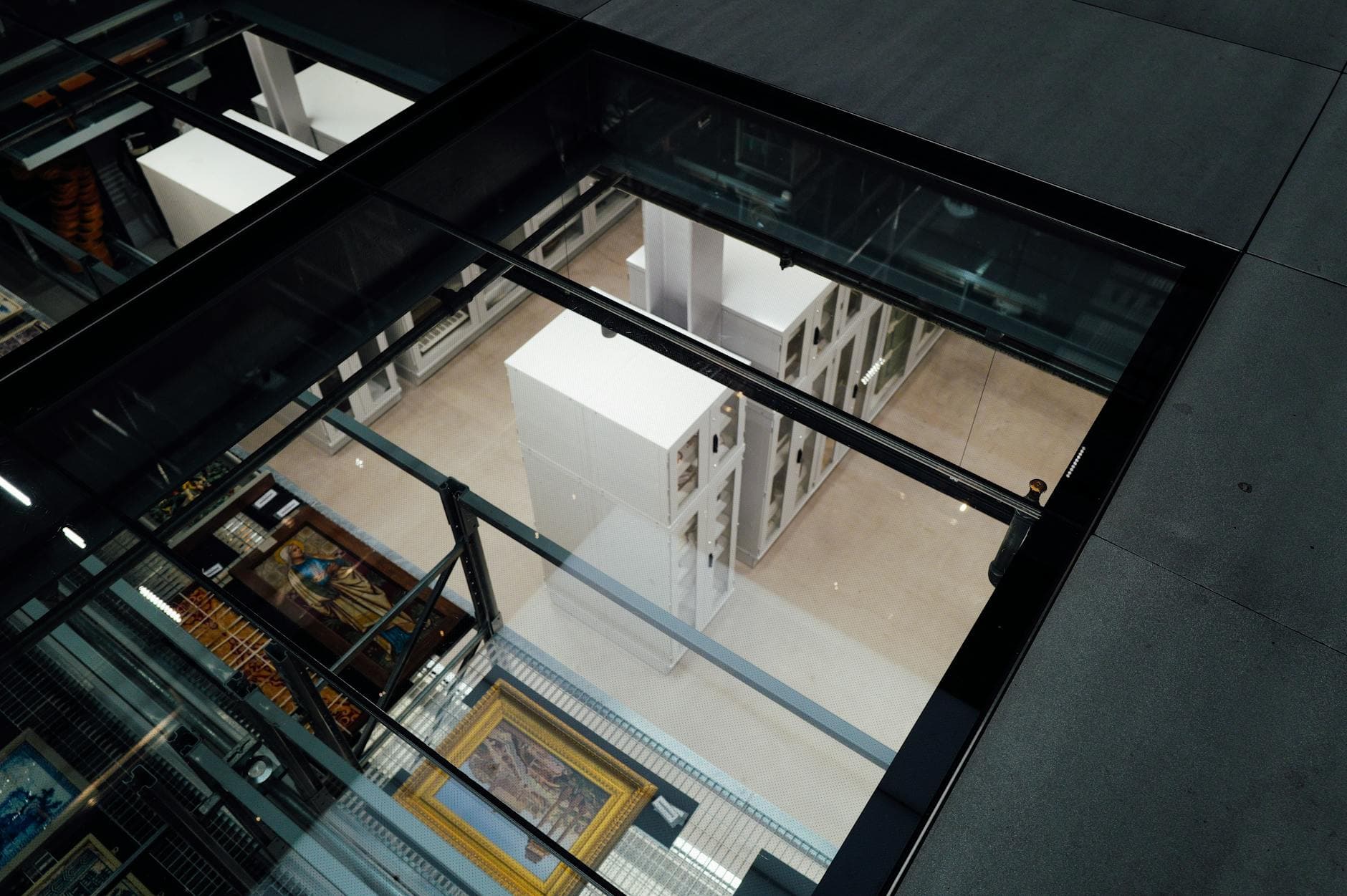
An inventory at the History Museum of East Otter Tail County brought 2,500 items into clearer view, reshaping what Perham families may soon recognize on the exhibit floor.
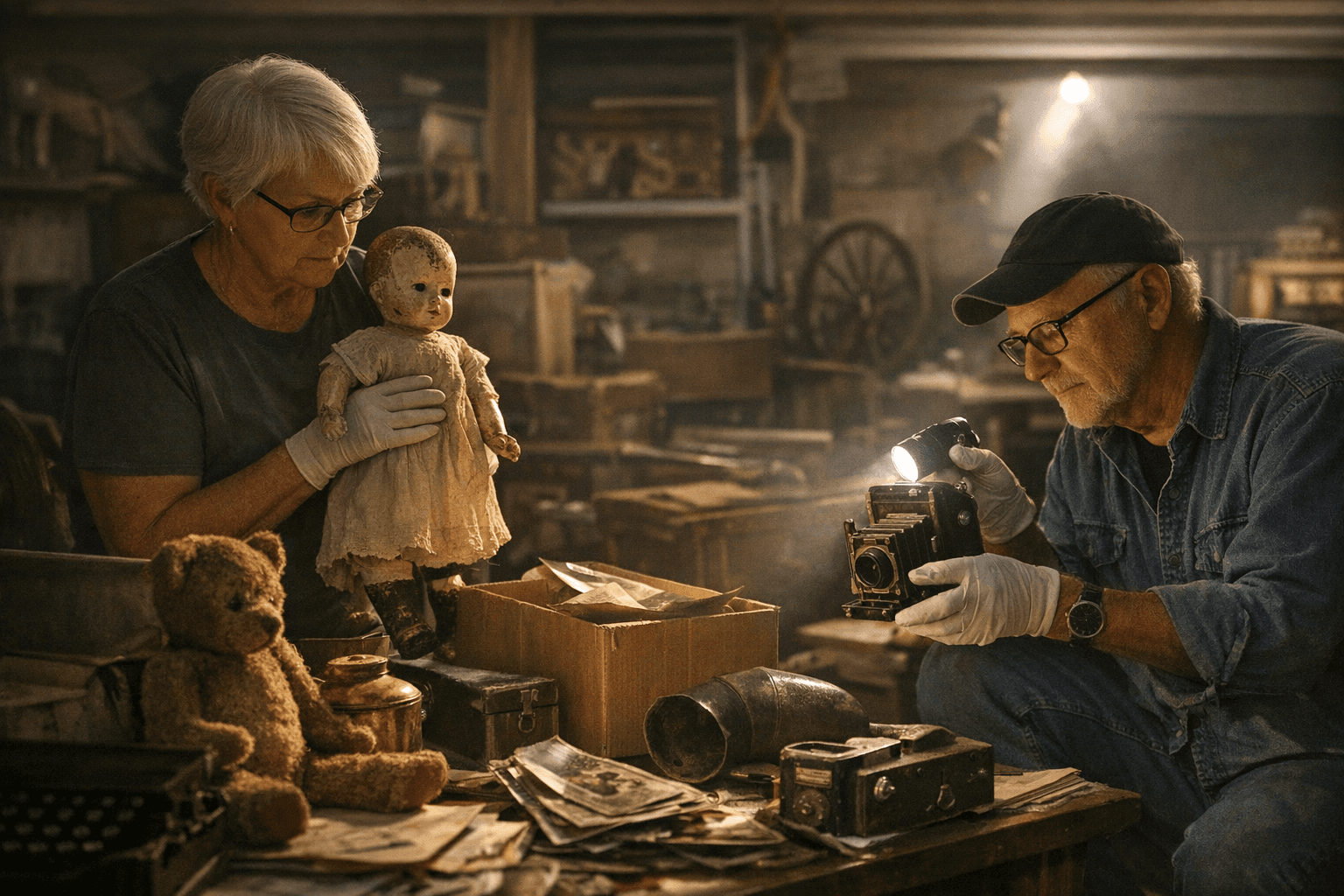
A deep clean at the History Museum of East Otter Tail County uncovered 2,500 items, and the biggest surprise may be how much of East Otter Tail County’s memory had been waiting in the same restored stone building at 230 1st Avenue North in Perham.
The inventory came as new displays were installed, giving the museum a fresh look while staff and volunteers sorted, cleaned and identified the collection. For a museum founded in 1998 and operated by the nonprofit History, Arts & Cultural Association of East Otter Tail County, the work does more than tidy shelves. It changes what can be preserved, labeled and shown to the people who use the museum to understand their own family history.
The museum says its mission is to preserve the past for future generations, and the collection reaches across the county’s story. Exhibits cover the Pillager Ojibwe, or Anishinaabe, rural schools, early motion-picture clips from the 1920s, logging, the early days of medicine, tourism, railroads and the Otter Tail River’s role in development. The newly organized inventory should make those stories easier to connect to specific people and places, especially for local families looking for photographs, names or objects they have heard about for years.
That matters in a county where the museum is not a side project but a community archive. HACA also operates the In Their Own Words Veterans Museum and Perham Pioneer Village, expanding the preservation work beyond one building. The museum is also primarily volunteer-run, with volunteers generally giving three to four hours a week, the kind of steady behind-the-scenes work that can turn a storage room into a usable historical record.
The collection’s access tools are growing too. The museum has a ScanPro 3000 microform scanning system, financed in part with Minnesota Arts and Cultural Heritage Fund money through the Minnesota Historical Society, and it offers online photo searching for historical photographs. That kind of infrastructure can make the difference for a resident trying to trace a relative, a student researching a schoolhouse or a researcher tracking how Perham changed from railroad town to tourism hub.
The museum’s exhibits even capture everyday life in ways that still feel recognizable. One local communications display notes that the Perham telephone company had 800 customers by 1950, a reminder that the county’s growth was built not just on big industries, but on the small systems that tied neighbors together. After the inventory, more of those pieces can be found, interpreted and placed back into public view.
This article was produced by Prism’s automated news system from verified source data, official records, and press releases, then run through automated quality and moderation checks before publishing. The system is built and supervised by the people who set the standards it runs under. Read our full AI policy.
Did this article answer your question?