Fergus Falls athletic director reflects on successful year for Otters
Fergus Falls’ strong year in school sports showed how community investment, from the Otter Fieldhouse to year-round participation, strengthens pride and student life.
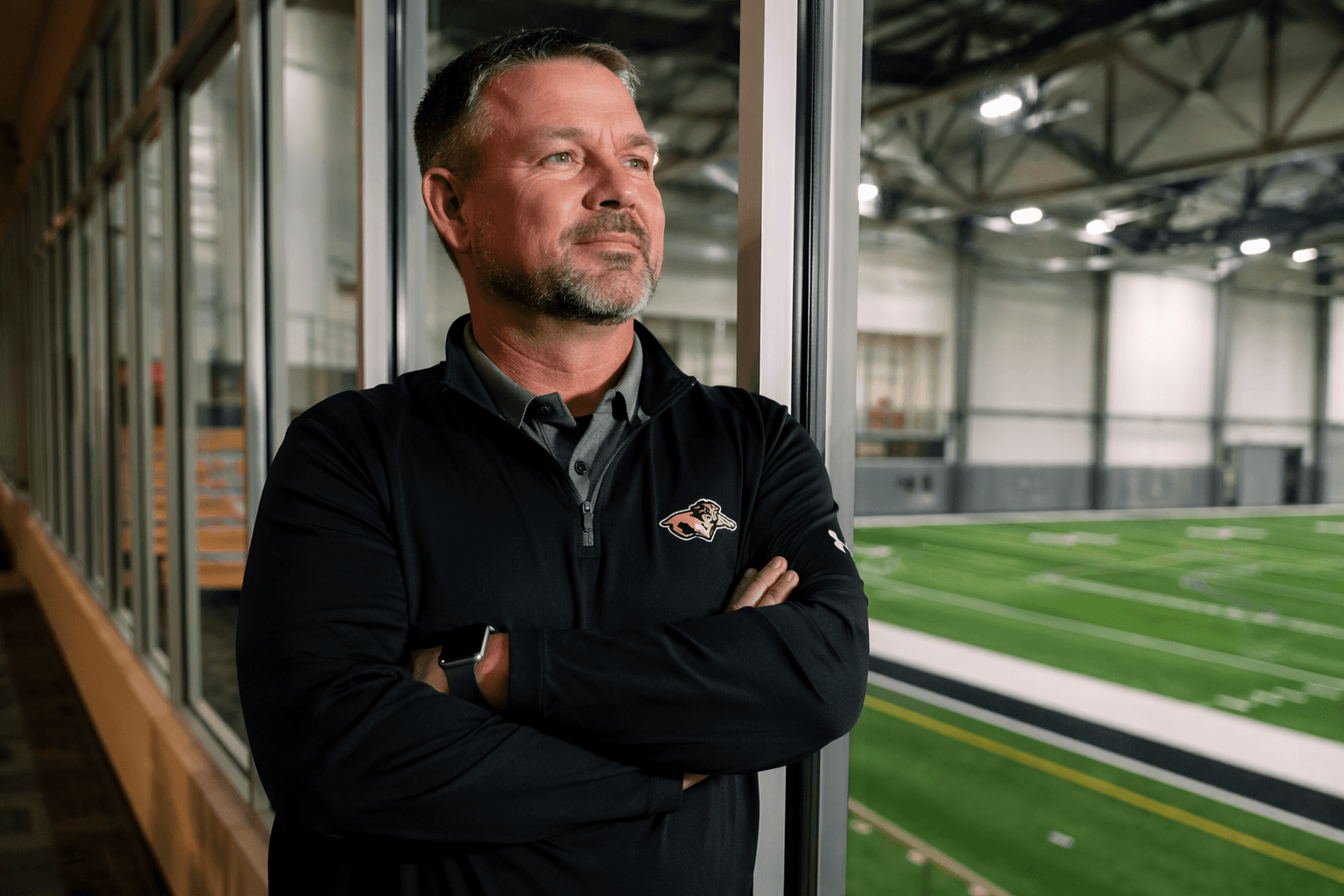
A successful year for Otters athletics was never only about the final scores. For Activities Director Derek Abrahams, the bigger story is how Fergus Falls keeps more than 30 co-curricular programs moving, and what the community gets back when students have the space, support, and expectations to stay involved.
What a strong year means in Fergus Falls
In a district that serves about 2,500 students, school activities are one of the clearest ways a community sees itself. Fergus Falls Public Schools says the purpose of Otter Activities is to help students reach their potential by emphasizing commitment, integrity, work ethic, grit, and respect, and that mission reaches far beyond varsity gyms and fields. It includes fine and performing arts, clubs, and a broad athletics footprint that helps shape student identity across the school year.
Abrahams is listed by Fergus Falls Public Schools as activities director at Kennedy Secondary School, and he manages that system in a high school environment that the Minnesota State High School League lists at 628 students. That scale matters because every team, club, and performance depends on steady participation, clear eligibility, and adults who keep the structure running. A healthy athletics department in Fergus Falls is not just a scoreboard issue. It is a daily measure of how many students feel connected to school.
The range of opportunities behind the Otter name
The scope of Otter programs helps explain why one successful year can ripple through the whole district. Fergus Falls High School offers more than 30 co-curricular programs, and the Minnesota State High School League lists activities that span football, soccer, volleyball, basketball, wrestling, gymnastics, hockey, tennis, track and field, golf, baseball, softball, swimming and diving, Nordic skiing, clay target, speech, debate, robotics, and adapted sports. That variety gives students multiple entry points into school life, whether they are athletes, performers, competitors, or participants looking for a first place to belong.
The school’s league placement also shapes the way the community experiences those programs. Fergus Falls High School is listed in Region 6A, with conference affiliations in the Central Lakes Conference and Gopher Valley A, placing the Otters into regular competition that keeps local fans connected to neighboring schools and familiar rivalries. For a town like Fergus Falls, those contests are more than calendar items. They are shared civic events that can strengthen school spirit and keep families invested in what students are doing.
Why support from the community matters
School sports do not stay healthy on enthusiasm alone. They rely on families, volunteers, coaches, and broader community backing that makes the everyday logistics possible. In Fergus Falls, one of the clearest signs of that investment is the Otter Fieldhouse, the former Roosevelt gym that reopened in 2023 after renovations.
Those updates were not cosmetic. The project included new bleachers, locker rooms, a concession stand, a training room, scoreboards, shot clocks, and a sound system. It also added wrestling and gymnastics mat harnesses and a history collage, tying the building’s present use to the district’s past. The result is a facility that does more than host events. It gives students and spectators a place that feels like it belongs to the community that built it.
That kind of infrastructure matters because it supports the atmosphere around participation. A better gym, safer training space, and clearer game-day setup help create the kind of environment where students want to stay involved and where younger athletes can picture themselves on the same stage. In that sense, the investment pays off not only in better events, but in stronger school identity and more visible pride around the district.
The systems that keep the program healthy
The strongest seasons usually depend on work that happens well before the first contest. Fergus Falls Public Schools requires activity registration online, and a current sports physical must be on file before participation. The district says physicals are good for three years from the date of examination, a detail that makes the process more manageable for families while still keeping health requirements in place.
Those rules may sound routine, but they are part of what allows a large co-curricular program to function smoothly. Registration, eligibility tracking, and health documentation protect students and help coaches and administrators plan with confidence. In a program as broad as Fergus Falls’, the behind-the-scenes systems are part of the success story just as much as the visible wins.
They also connect directly to student morale. When participation is organized and accessible, more students can find a place in the school community. That matters in a district where athletics, speech, debate, robotics, and the arts all contribute to how young people understand their value and their role in the building.
What Fergus Falls can carry into next year
The most repeatable part of this success is not any single team result. It is the pattern that supports all of them: a district mission centered on character, a broad menu of activities, a fieldhouse that shows what local investment can restore, and a registration and health system that keeps participation sustainable. Those pieces are practical, but they are also social. They tell students that their time matters and that the town is willing to build around them.
For Fergus Falls, the payoff is bigger than athletic pride. A strong activities program gives the school district another way to hold the community together, one game, one rehearsal, and one season at a time. When students are active, supported, and visible, the whole town gets a return that lasts well beyond the final buzzer.
This article was produced by Prism’s automated news system from verified source data, official records, and press releases, then run through automated quality and moderation checks before publishing. The system is built and supervised by the people who set the standards it runs under. Read our full AI policy.
Did this article answer your question?