Forensic genealogy identifies man found in Minnesota shed in 2014
A Union Pacific worker found a body in a Rosemount shed in 2014. DNA and forensic genealogy later identified him as James Everett, missing since 2013.
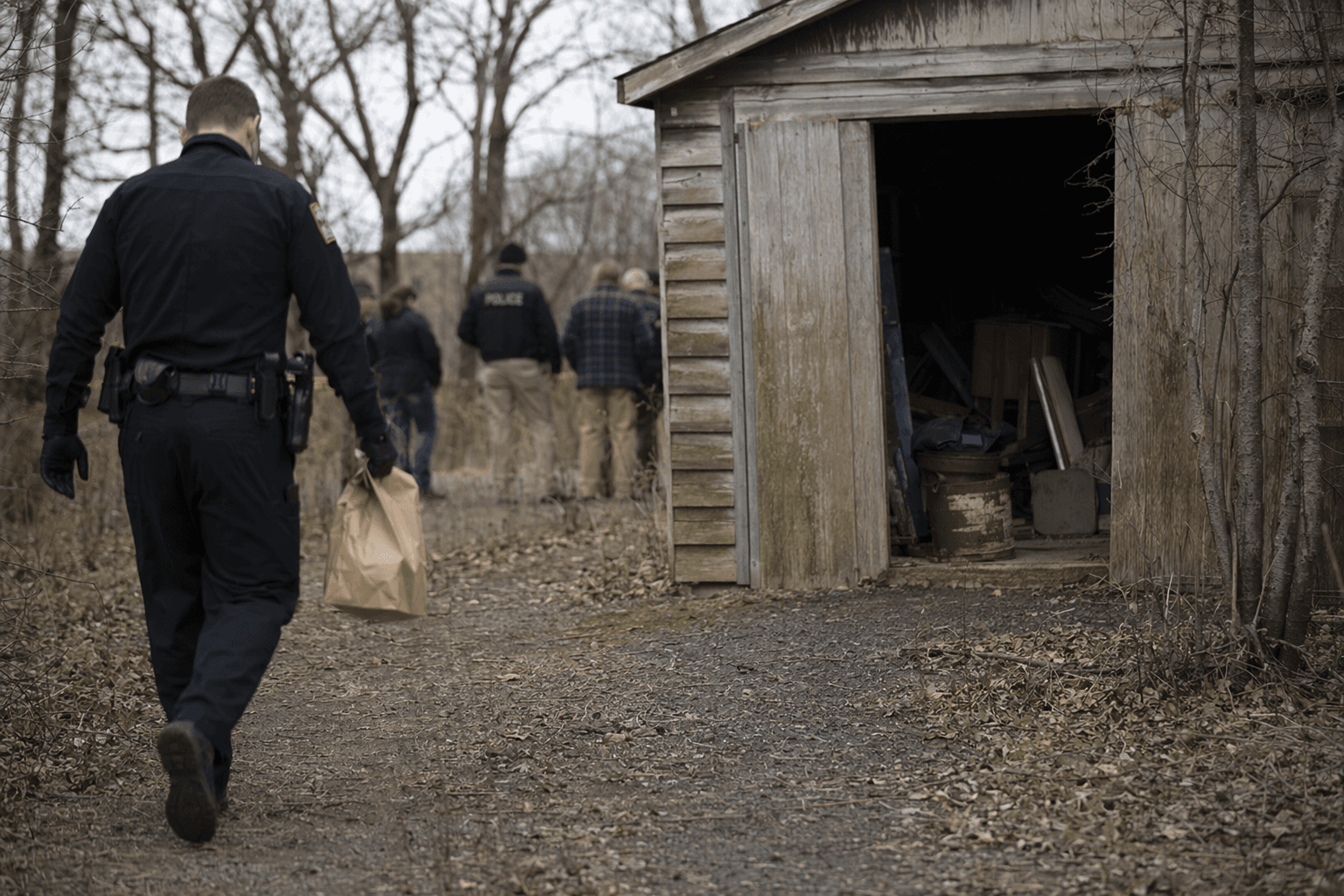
A decommissioned railroad utility shed in Rosemount held a name for nearly eight years before investigators could put it on the case file: James Everett, a 48-year-old father and husband from Cohocton, New York.
A Union Pacific worker found Everett’s remains on Sept. 29, 2014, in the 14500 block of Burma Avenue. There was no wallet or identification with the body, and investigators believed he may have been using the shed as temporary shelter. Newspapers and receipts suggested he may have died in the fall of 2013, around the time he had been scheduled to leave on a work trip but never made it.
The Hennepin County Medical Examiner’s Office, Rosemount Police Department and Minnesota Bureau of Criminal Apprehension spent years working the case, entering the unknown man into the National Missing and Unidentified Persons System and the Combined DNA Index System. The FBI also completed a facial reconstruction, but the trail remained cold until DNA and forensic genealogy finally connected the remains to Everett in July 2022. Officials said there was no trauma indicating a criminal death, and the cause and manner of death were listed as undetermined.

For Patricia Everett, the identification ended years of uncertainty, but not years of grief. She said she and the family never gave up searching, and family members later described the identification as closure. The Everett family had already held a quiet funeral for him in 2017, three years before his name was known. After the identification, Patricia Everett traveled to Minnesota to meet the people who had helped bring the mystery to an end, saying, “We are incredibly grateful that he was not alone.”
The case has become a clear example of how forensic genealogy can break open long-unidentified remains cases that resist every other lead. In a state where cold cases can sit for years in county files and medical examiner records, the Everett identification showed the reach of newer DNA methods and the value of keeping missing-persons investigations active long after a body is found.
This article was produced by Prism’s automated news system from verified source data, official records, and press releases, then run through automated quality and moderation checks before publishing. The system is built and supervised by the people who set the standards it runs under. Read our full AI policy.
Did this article answer your question?