Judge quashes federal subpoenas in Minnesota immigration crackdown case
A federal judge tossed subpoenas that had reached Gov. Tim Walz and other Minnesota leaders, blocking a records push tied to Operation Metro Surge.
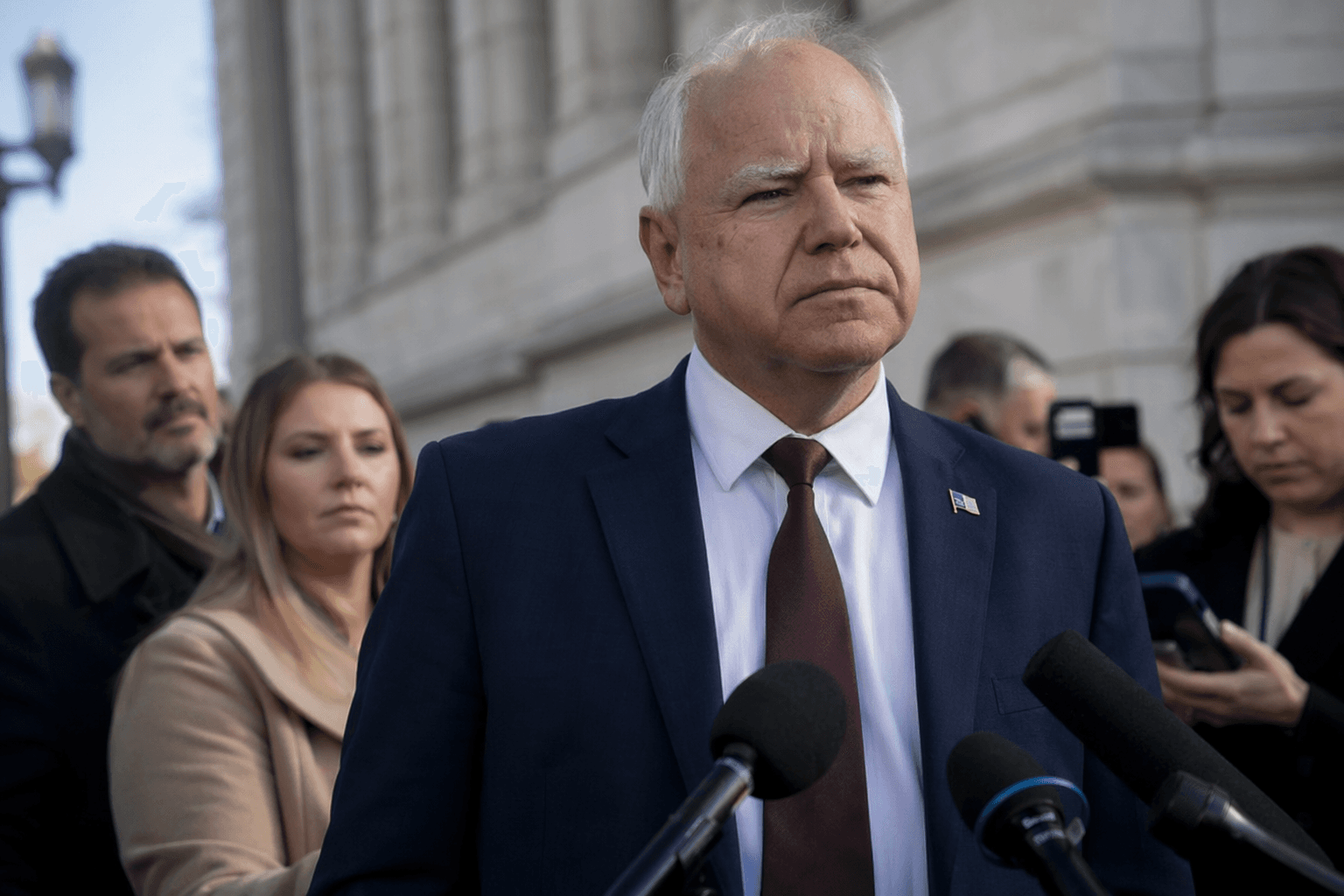
A federal judge has wiped out subpoenas that had reached Gov. Tim Walz’s office, Attorney General Keith Ellison’s office and four other Minnesota government bodies, cutting off a Justice Department demand for records tied to immigration enforcement cooperation. For local agencies, the immediate effect is practical: those offices do not have to turn over the communications, policies, training materials and internal guidance sought in this round of the case.
U.S. District Judge Patrick Schiltz quashed the subpoenas on June 22, finding they were an “abuse of the grand-jury process” and “extraordinarily broad.” The subpoenas had been served in January 2026 on six Minnesota offices: the Office of Governor Tim Walz, the Minnesota Attorney General’s Office, the City of Minneapolis, the City of St. Paul, the Hennepin County Board of Commissioners and the Ramsey County Board. They centered on how those offices responded to federal immigration authorities and requests for cooperation.
The ruling matters well beyond Minneapolis and St. Paul because it draws a line around what federal investigators can demand from state and local governments when the dispute is about policy records rather than a narrower criminal case. In Otter Tail County, where county offices and local law enforcement also keep written policies, training materials and internal guidance, the decision shows that broad demands for cooperation files can be challenged when they stray into constitutionally protected conduct. It does not change existing state or local rules on how officers, schools or employers handle immigration matters, but it does remove one federal pressure point aimed at Minnesota agencies.
The subpoenas were part of Operation Metro Surge, the federal immigration crackdown that began in late 2025 and sparked protests across Minnesota. MPR News reported that about 3,000 federal immigration agents were deployed in the state at the surge’s peak. Human Rights Watch said its June 18 report, based on interviews with more than 130 people, found the federal deployment from December 2025 through March 2026 led to widespread human rights violations.

The legal fight has been building for months. In September 2025, the Justice Department sued Minnesota, Minneapolis and St. Paul over alleged interference with federal immigration enforcement. On June 16, federal prosecutors charged 15 Minnesotans in connection with anti-ICE protests, even as earlier cases tied to the surge were faltering. MPR News said that of 36 earlier charges, 18 were dismissed outright and 11 more were effectively dropped through non-prosecution agreements.
This article was produced by Prism’s automated news system from verified source data, official records, and press releases, then run through automated quality and moderation checks before publishing. The system is built and supervised by the people who set the standards it runs under. Read our full AI policy.
Know something we missed? Have a correction or additional information?
Submit a Tip