Maplewood State Park remains a top Otter Tail County destination
Maplewood State Park keeps drawing Otter Tail County traffic with fall color, trails, and lake-country views that feed local campgrounds and restaurants.
Why Maplewood still matters to Otter Tail County
Maplewood State Park remains one of the clearest examples of how outdoor recreation works as local economic infrastructure in Otter Tail County. For people coming from Pelican Rapids, Fergus Falls, Battle Lake and nearby communities, it is one of the closest places to get a large public park experience without leaving the county, and that convenience keeps cars moving through the region and spending flowing into nearby businesses.
The park’s appeal is broad enough to support more than a single kind of visitor. Families come for camping, picnics and easy day trips. Hikers, riders and wildlife watchers come for a landscape that feels bigger and more dramatic than many expect in west-central Minnesota. In practical terms, that means traffic for gas stations, grocery stores, cafes, lodges, campgrounds and small retailers in the towns that sit around the park.
A park built around a rare landscape mix
Maplewood covers about 9,250 acres and sits in a transition zone between western prairies and eastern forests. That mix is the reason the park feels so different from a typical roadside stop. It contains eight major lakes and many ponds, along with plants and animals from both prairie and woodland systems, which gives visitors a concentrated version of the county’s landscape in one place.
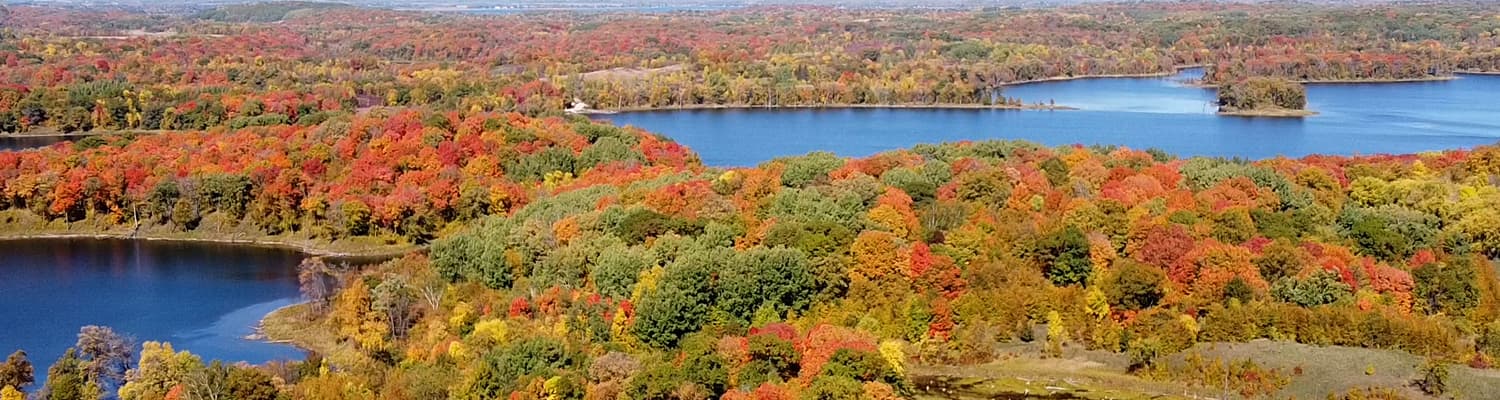
The hills add another layer to the experience. In some parts of the park, the terrain changes by about 300 feet in less than a mile, which is why the scenic drive is such a major draw on its own. That elevation change, combined with wooded cover and lake views, creates a setting that shifts with every season and rewards repeat visits.
What keeps people coming back
Maplewood’s value is not just visual. It is a park with enough activity to fill a full day or stretch into a longer stay, which is exactly the kind of recreation base that helps local tourism businesses.
Some of the strongest draws include:

- About 25 miles of hiking trails
- 20 miles of horse trails
- 5 miles of groomed classical cross-country ski trails
- 5 miles of ungroomed back-country ski trails
- 21 miles of snowmobile trail
- Lake Lida’s sandy beach and large picnic areas
That range matters because it gives Maplewood a year-round use pattern instead of a brief summer spike. Hikers, riders, skiers and snowmobilers each use the park differently, which helps spread visitor traffic across more months and gives nearby businesses a longer window to capture spending.
Fall color is the park’s biggest signature
If one season defines Maplewood, it is autumn. The park’s hardwood forest turns brilliant shades of orange, gold and red, and that display helps explain why fall color drives so much attention to the county year after year. In a region known for lakes, Maplewood offers something different: a leaf-season destination with steep slopes, lake overlooks and roads designed for scenic cruising.
That seasonal pull has economic effects well beyond the park boundary. Fall visitors tend to buy fuel, meals and overnight stays in the same trip, which is why Maplewood’s color season benefits surrounding communities as much as the park itself. It also helps Otter Tail County stretch its tourism economy beyond the traditional peak weekends of summer lake season.
A place for wildlife, not just scenery
The Minnesota Department of Natural Resources says Maplewood supports about 150 bird species, 50 mammal species and 25 kinds of reptiles and amphibians. That is a substantial wildlife mix for a county park and one reason the park appeals to visitors who want more than a scenic drive. The habitat diversity, shaped by prairie, woodland and lake-country conditions, makes it one of the county’s stronger wildlife-viewing destinations.
That biodiversity also reinforces the park’s broader identity as a public asset. Maplewood is not only a recreation site but a protected landscape where visitors can see how Otter Tail County’s ecosystems overlap. For local residents, that means a nearby place to experience nature without the time and cost of traveling much farther.
Before you go
Maplewood works best when you plan around the season and the activity you want most. Summer is the time for beaches, picnics, hikes and camping, while fall brings the highest demand for scenic driving and leaf viewing. Winter shifts the focus toward groomed and ungroomed ski trails, plus snowmobile access.
A few practical points stand out:
- Lake Lida is one of the park’s main day-use spots, with a sandy beach and large picnic areas
- The hiking and horse trail network makes the park useful for longer outings, not just quick stops
- The steep terrain means some routes are more about the view than speed, so give yourself extra time for the drive
- Peak fall weekends can bring heavy visitor traffic, especially when the hardwood colors are at their best
For families and casual visitors, the park’s layout makes it easy to pair a short stop with a longer stay in the county. That is part of Maplewood’s value to Otter Tail businesses: it encourages travelers to spend more than an hour or two in the area and turns a park visit into a regional outing.
A long local story behind the park
Maplewood was created by the Minnesota Legislature in 1963, but the idea goes back much farther. A historical marker says the park concept was first proposed in 1923, then advanced by the Maplewood State Park Association, which helped make the park a reality and bought the first land. Much of the land acquisition happened in the 1960s and 1970s, and the original park footprint was a little over nine sections, or about 5,600 acres, before later expansion to today’s size.
The deeper history reaches back even further. A preserved historical note says the Maplewood Site reflects human habitation dating back at least 6,000 years, with artifacts tied to both prairie and woodland cultures. That long timeline gives the park a meaning that goes beyond recreation: it is also a place where geology, ecology and human history overlap in one of Otter Tail County’s most recognizable settings.
Maplewood endures because it is useful in more ways than one. It is a day trip, a camping destination, a fall-color route, a wildlife area and a steady driver of local traffic. In a county built around lakes and public land, that combination makes it one of the most dependable attractions on the map.
This article was produced by Prism’s automated news system from verified source data, official records, and press releases, then run through automated quality and moderation checks before publishing. The system is built and supervised by the people who set the standards it runs under. Read our full AI policy.
Did this article answer your question?