Minnesota DNR finalizes muskie plan guiding Otter Tail County lakes through 2040
Otter Tail Lake, Big Pine Lake and North Lida Lake sit inside a statewide muskie plan that could shift stocking, fishing pressure and tourism through 2040.
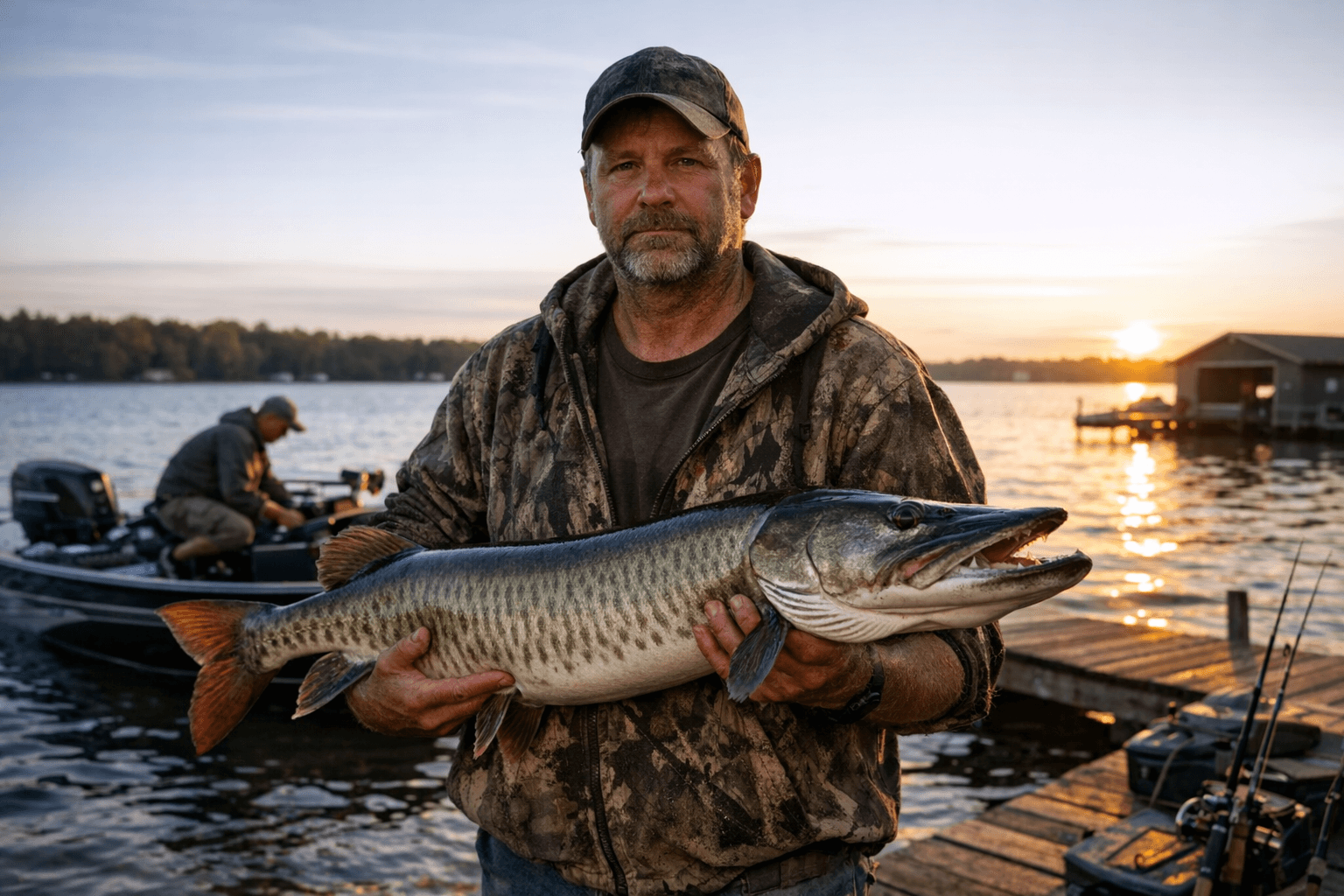
Otter Tail Lake, Big Pine Lake and North Lida Lake are among the local waters that will feel Minnesota’s new muskie blueprint, a long-range plan the DNR finalized to steer management through 2040. In Otter Tail County, where Fergus Falls area fisheries staff oversee 250 fishing lakes and 150 miles of rivers and streams in Otter Tail and Wilkin counties, the plan could shape where anglers concentrate, how often fish are stocked and which lakes draw the biggest crowds.
The biggest management change is a stronger push for yearling muskie stocking, meaning fish are raised into a second year and stocked in the fall instead of being released earlier. DNR officials say that approach has much higher survival rates after stocking, a detail that could matter on heavily used lakes where every fish that survives helps sustain a trophy fishery. The plan also broadens research and education while continuing hybrid, or tiger, muskellunge management in the metro area.
Leslie George, the DNR’s northeast region fisheries manager, said, “This plan marks a shift in our focus and a significant pivot in our approaches,” and, “We know there will be successes and challenges as we begin to put the plan into practice, but starting with a shared vision will position us well as we move forward.”
For Otter Tail County, the stakes are both ecological and economic. Muskies are native Minnesota predators, and the state manages them through habitat protection on native waters, stocking on select lakes, harvest and season rules, population monitoring and public outreach. The DNR said Minnesota now has 101 waters managed for muskies, covering just 2% of the state’s fishable lakes and rivers but 22% of the total fishable surface area. Muskies have been introduced in 48 lakes and are maintained there through stocking.
That concentration can create tension on the water. More attention to a few high-profile fisheries, including Mille Lacs Lake, Lake Vermilion and Lake Minnetonka, could pull anglers, guides and tourism dollars toward the state’s marquee muskie destinations, while quieter lakes in western Minnesota continue to serve local traffic. On Otter Tail County lakes, where muskie anglers often share space with walleye and bass fishermen, the plan’s emphasis on improving existing muskie populations could sharpen debates over pressure, access and which lakes should carry the load.
The 2040 plan builds on earlier long-range plans from 1986, 1994 and 2008. The draft comment period was extended to June 30, 2025 after a technical issue with the comment email inbox, then the DNR folded in recent studies on muskie survival and ecology along with community and stakeholder input before finalizing the document on April 16, 2026.
This article was produced by Prism’s automated news system from verified source data, official records, and press releases, then run through automated quality and moderation checks before publishing. The system is built and supervised by the people who set the standards it runs under. Read our full AI policy.
Did this article answer your question?


