NCAA age-based rule could reshape Minnesota hockey eligibility and recruiting
Minnesota hockey players could get more time before college clocks start running, a change that may stretch recruiting for Otter Tail County families and pull top talent toward juniors.
The NCAA’s proposed age-based eligibility model could change when a Minnesota hockey player leaves high school ice and starts counting toward college eligibility, a shift with direct stakes for families, coaches and junior programs in Otter Tail County.
On April 27, the NCAA Division I Board of Directors directed the Division I Cabinet to advance a concept that would give student-athletes up to five years of eligibility, beginning the regular academic year after they turn 19 or graduate from high school, whichever comes first. The association said the goal was to set clearer, more consistent standards while still preserving opportunities for high school athletes. Players whose eligibility ends by spring 2026 would stay under the current four-seasons-in-five-years framework, so the change would not reach backward.
For a county like Otter Tail, where hockey talent often moves from youth programs into high school, then on to juniors and college recruiting, the practical question is not just who gains another season. It is who decides to stay in Minnesota high school hockey a little longer, who leaves earlier for junior hockey, and who can afford to wait while college programs sort out a longer recruiting timeline. The winners could include late-blooming players who need more time to develop. The losers could be high school programs that lose elite skaters sooner and families who want a more predictable path.
The NCAA also tightened the calendar for men’s ice hockey recruiting. On January 14, the Division I Cabinet approved a 15-day transfer window that begins the Monday after the Division I Men’s Ice Hockey Championship final. A separate 15-day window opens five days after a new head coach is announced, under certain conditions. That matters in Minnesota, where college coaches watch junior and high school talent closely and where timing often determines whether a player stays home, heads to juniors, or lands on a Division I roster.
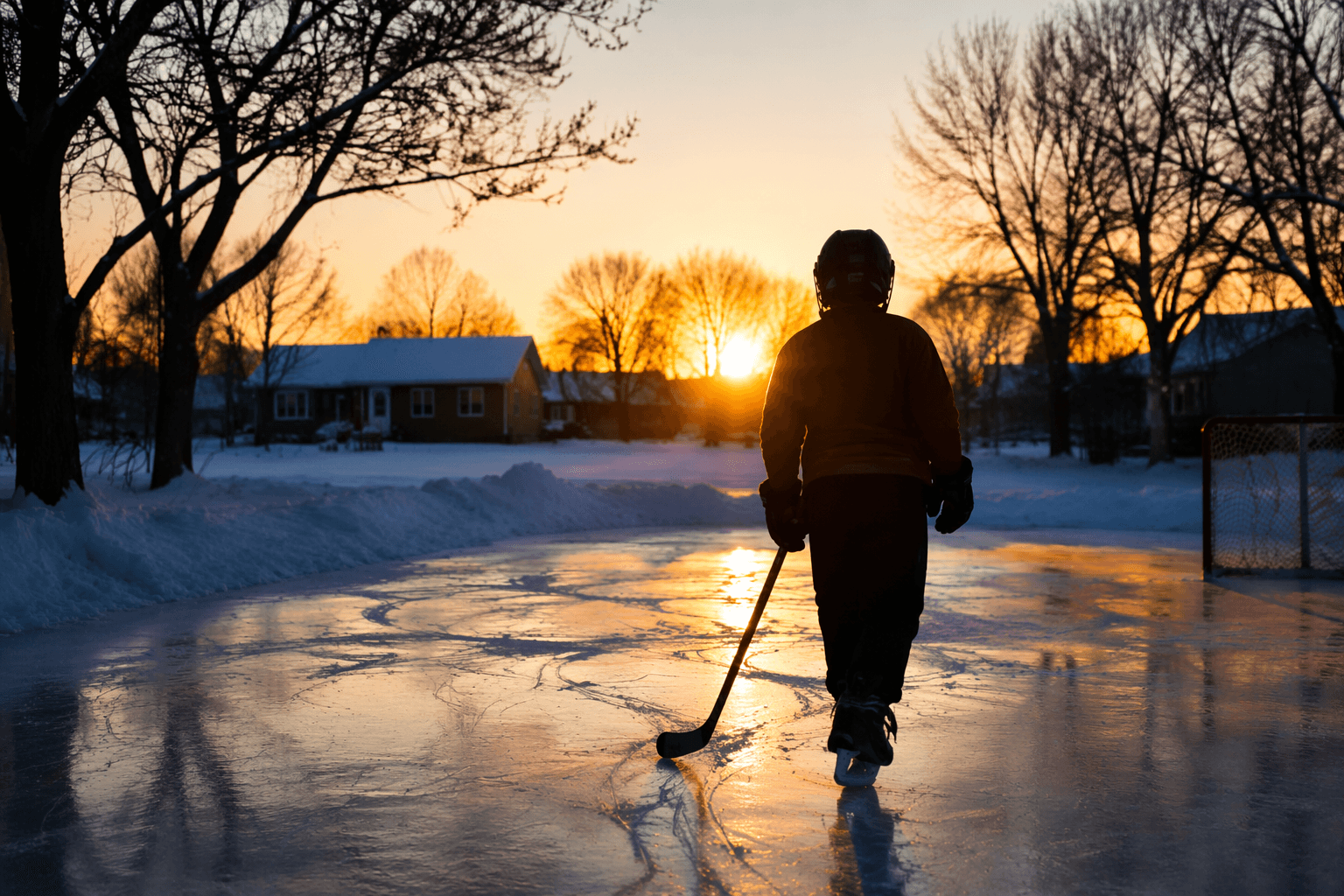
Minnesota high school officials still operate under their own rules. The Minnesota State High School League says a transfer happens when a student changes schools, and its eligibility framework decides whether that student can compete after moving. That leaves Otter Tail County families with one more decision point, especially when a player is weighing whether to remain in a high school program or chase a faster path through junior hockey.
Local hockey voices have warned that the change could create “big strain” on high school kids and push more top players toward junior hockey. If that happens, the pressure will land hardest on Minnesota programs that have long depended on the state’s high school-to-college pipeline.
This article was produced by Prism’s automated news system from verified source data, official records, and press releases, then run through automated quality and moderation checks before publishing. The system is built and supervised by the people who set the standards it runs under. Read our full AI policy.
Did this article answer your question?